A Two-Decade-Delayed Diagnosis of Hereditary Angioedema: A Case Report
Swarup Shrestha, Ajay K Yadav, Dibas Khadka, Ramila Shrestha, Mukesh S Paudel

TL;DR
A woman suffered for 20 years before being correctly diagnosed with a rare genetic condition causing severe swelling, which was then successfully treated.
Contribution
Highlights the delayed diagnosis and successful treatment of hereditary angioedema in a patient without family history.
Findings
The patient experienced 20 years of undiagnosed symptoms before being diagnosed with hereditary angioedema.
Treatment with plasma-derived C1-esterase inhibitor reduced symptom frequency and severity.
The case underscores the challenges in diagnosing HAE without a family history.
Abstract
Hereditary angioedema (HAE) is a rare genetic disorder characterized by recurrent episodes of angioedema that can affect the skin, gastrointestinal tract, and upper respiratory tract. Angioedema of the gastrointestinal tract can manifest as recurrent episodes of abdominal pain, which can often be misdiagnosed as a functional bowel disorder, a neuropsychiatric condition, or even an acute abdomen, which may result in unnecessary investigations and treatment, including surgeries. Angioedema of the skin can present as non-pitting swelling in the limbs and face. In contrast, when the respiratory tract is involved, it can sometimes lead to laryngeal edema, which can be life-threatening if not treated promptly. Diagnosing HAE can be particularly difficult for individuals without a family history of the condition. We present the case of a 30-year-old female patient who was diagnosed with HAE…
Genes, proteins, chemicals, diseases, species, mutations and cell lines named across the full text — each resolved to its canonical identifier and authoritative record.
Click any figure to enlarge with its caption.
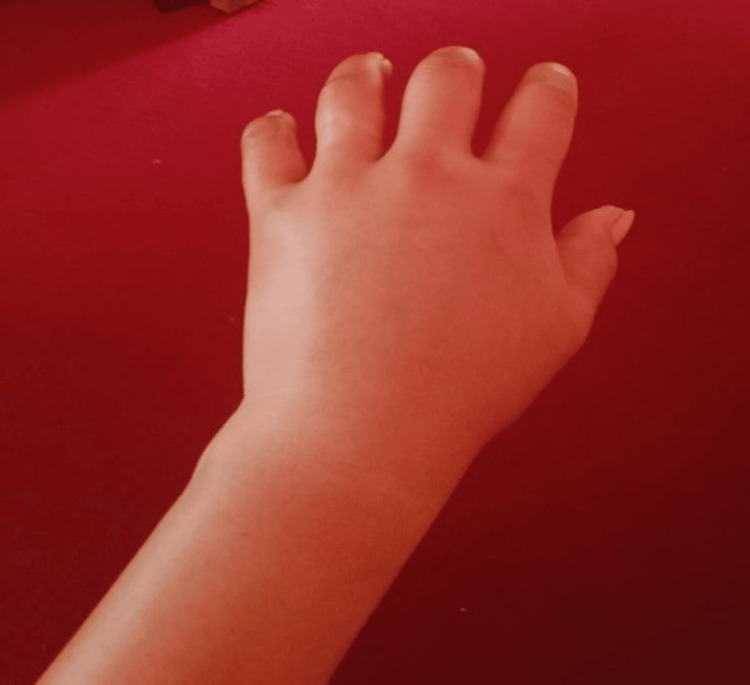 Figure 1
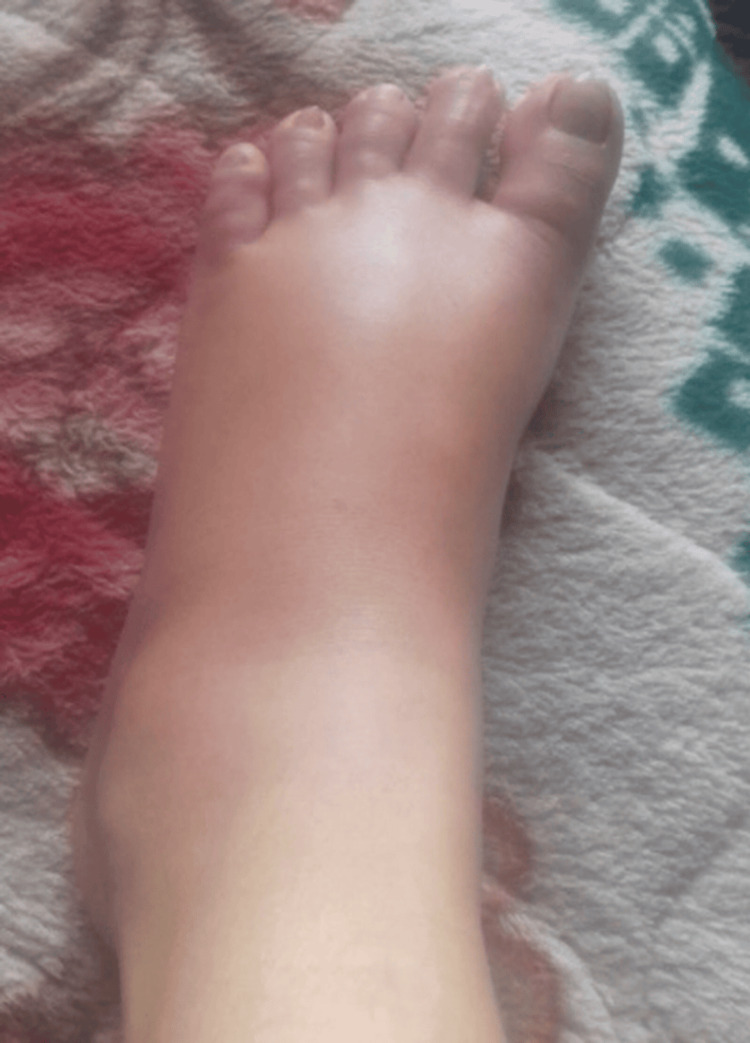 Figure 2
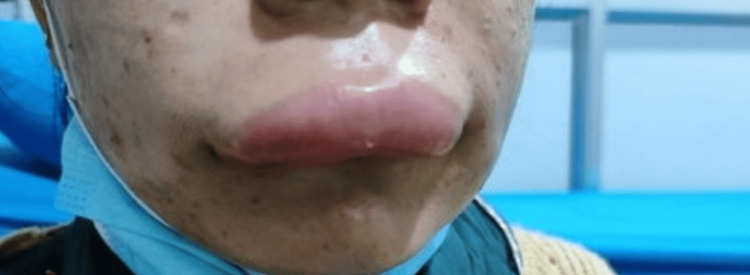 Figure 3
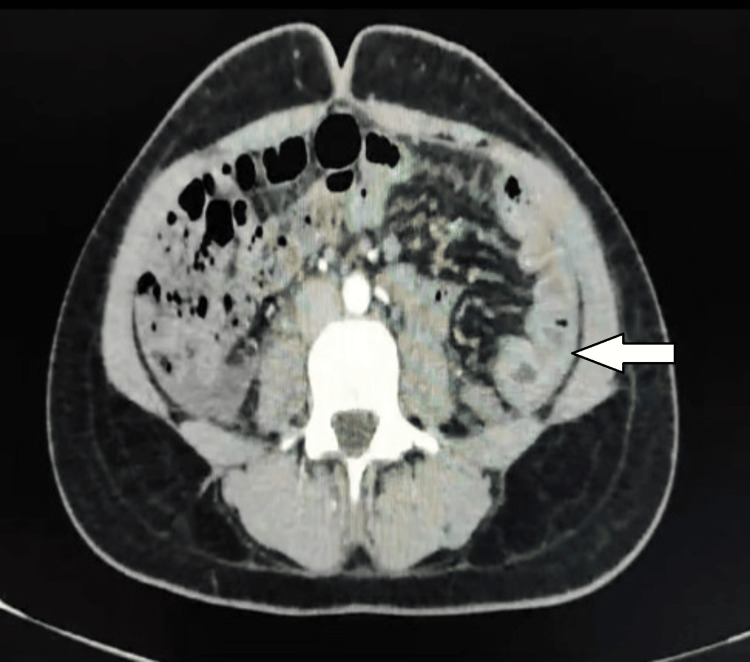 Figure 4
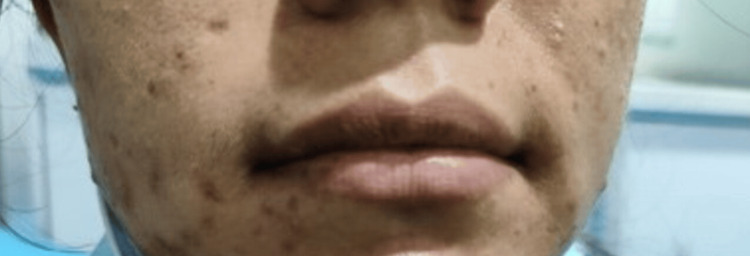 Figure 5
Peer Reviews
No public reviews on file for this paper yet. If you reviewed it on a platform where reviews are public (OpenReview, ICLR, NeurIPS, ICML), you can paste yours below so the community can read it here.
Videos
No videos yet. Explain this paper in a talk, walkthrough, or lecture? Add one.
Taxonomy
TopicsCoagulation, Bradykinin, Polyphosphates, and Angioedema · Autoimmune Bullous Skin Diseases · Mast cells and histamine