Clinical utility of the Arabic medication-related burden quality of life (MRB-QoL) tool in hospital-based medicines optimisation services: A mixed methods feasibility study
Sundos Q. Al-Ebrahim, Ahmad El Ouweini, Fatima Boura, Heba M. Abu Tayyem, Rami Diab, Omar Adas, Nemah Awwad, Maisam Tobeh, Fatima A.L. Salame, Sara A.L. Jabi, Ghattas Abu Dawoud, Hamzah Alzubaidi, Jeff Harrison, Timothy F. Chen, Mohammed A. Mohammed

TL;DR
This study evaluates how well the Arabic version of the MRB-QoL tool works in hospitals to help optimize medications and improve patient quality of life.
Contribution
The study demonstrates the feasibility and clinical utility of the Arabic MRB-QoL tool in pharmacist-led medicines optimization services in UAE hospitals.
Findings
The Arabic MRB-QoL tool was found to have excellent usability with an average SUS score of 82.2.
Thematic analysis revealed key themes on acceptability, usability, benefits, and barriers to implementation.
The tool has potential to improve patient-centered medicines optimization and quality of life in UAE hospitals.
Abstract
The Medication-Related Burden Quality of Life (MRB-QoL) Arabic version is a 31-item valid and reliable measure of medication burden on functioning and well-being in people with long-term conditions. To evaluate the feasibility of using the Arabic MRB-QoL tool in clinical pharmacist-led medicines optimisation services in United Arab Emirates (UAE) hospitals. This non-randomised, non-controlled, feasibility study was conducted in 4 UAE hospitals, utilising a mixed-methods approach. The clinical utility of the MRB-QoL Arabic was evaluated, covering various aspects of feasibility, including acceptability, usability, benefits, facilitators, and barriers to its implementation in practice. The study comprised 3 stages: providing training for clinical pharmacists (CPs) and nurses, implementing the Arabic MRB-QoL tool, and the System Usability Scale (SUS) survey and semi-structured interviews…
Genes, proteins, chemicals, diseases, species, mutations and cell lines named across the full text — each resolved to its canonical identifier and authoritative record.
Click any figure to enlarge with its caption.
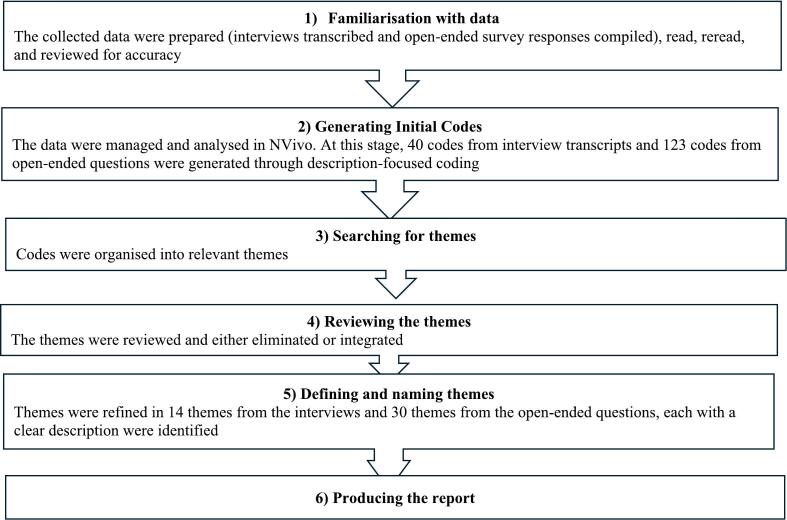 Figure 1
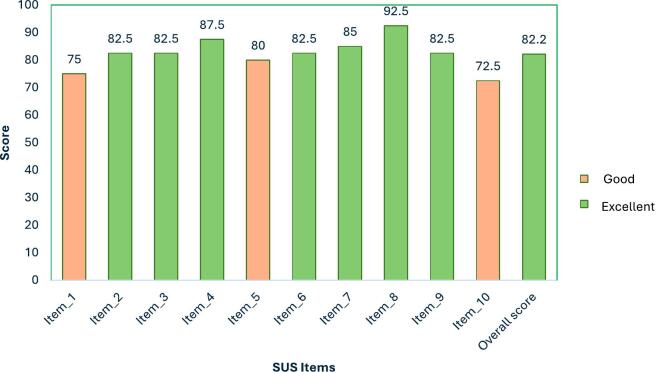 Figure 2
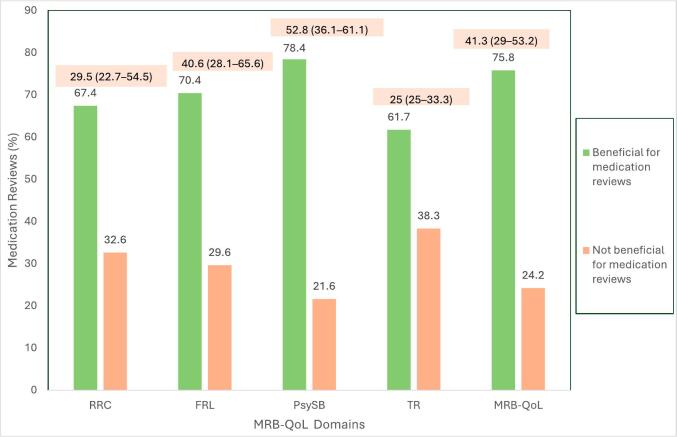 Figure 3
Peer Reviews
No public reviews on file for this paper yet. If you reviewed it on a platform where reviews are public (OpenReview, ICLR, NeurIPS, ICML), you can paste yours below so the community can read it here.
Videos
No videos yet. Explain this paper in a talk, walkthrough, or lecture? Add one.
Taxonomy
TopicsPharmaceutical Practices and Patient Outcomes · Medication Adherence and Compliance · Health Systems, Economic Evaluations, Quality of Life