A subset of conserved phagocytic genes are likely used for the intracellular theft of cnidarian stinging organelles in nudibranch gastropods
Jessica A. Goodheart, Rose Fiorenza, Robin Rio, Rebecca N. Lopez-Anido, Noah J. Martin, Timothy J. Herrlinger, Rebecca D. Tarvin, Deirdre C. Lyons

TL;DR
This study explores how certain genes help nudibranch sea slugs steal stinging cells from their prey, revealing a unique use of phagocytosis.
Contribution
The study identifies specific genes enriched in tissues where stinging cell sequestration occurs in nudibranchs.
Findings
166 genes are highly expressed in nematocyst-sequestering regions of Berghia stephanieae.
31 of these genes overlap with those upregulated in Hermissenda opalescens sequestering tissues.
Phagocytosis-related genes are expressed in both sequestering and non-sequestering tissues.
Abstract
Phagocytosis is a universal physiological process in eukaryotes with many important biological functions. In nudibranch gastropods, a novel form of phagocytosis called nematocyst sequestration is specialized for the uptake of venomous stinging organelles stolen from their cnidarian prey. This process is highly selective. Here we use the emerging model nudibranch species Berghia stephanieae and Hermissenda opalescens to identify genes enriched within the body regions where nematocyst sequestration occurs, and investigate how the expression profile of phagocytosis, immune, and digestive genes differs between nematocyst-sequestering regions relative to those where other phagocytic functions occur. We identified 166 genes with significantly higher expression in sequestering regions in B. stephanieae, including genes associated with development, membrane transport, and metabolism. Of these,…
Genes, proteins, chemicals, diseases, species, mutations and cell lines named across the full text — each resolved to its canonical identifier and authoritative record.
Click any figure to enlarge with its caption.
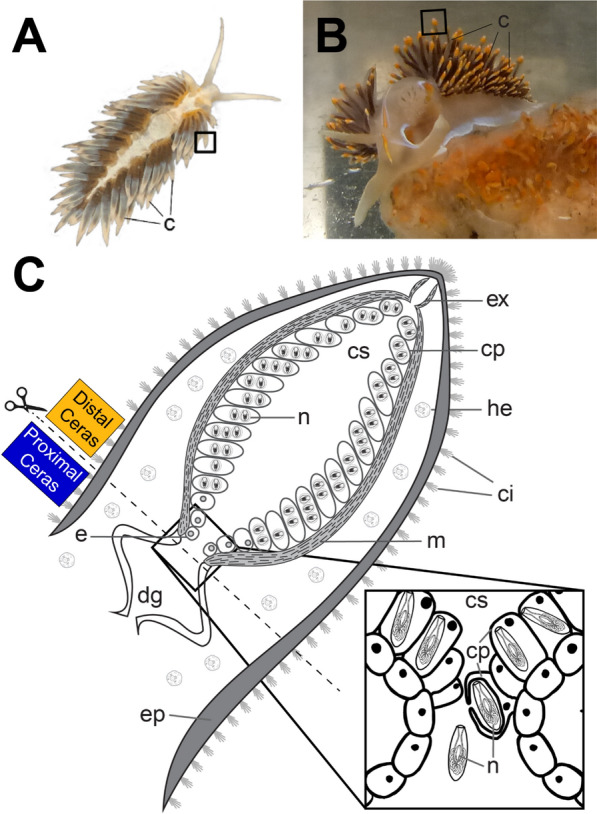 Figure 1
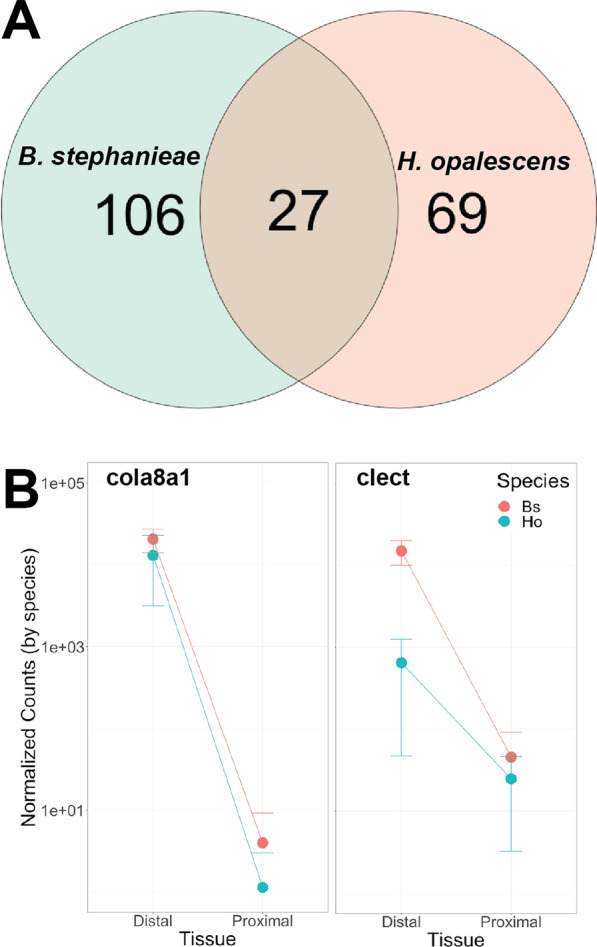 Figure 2
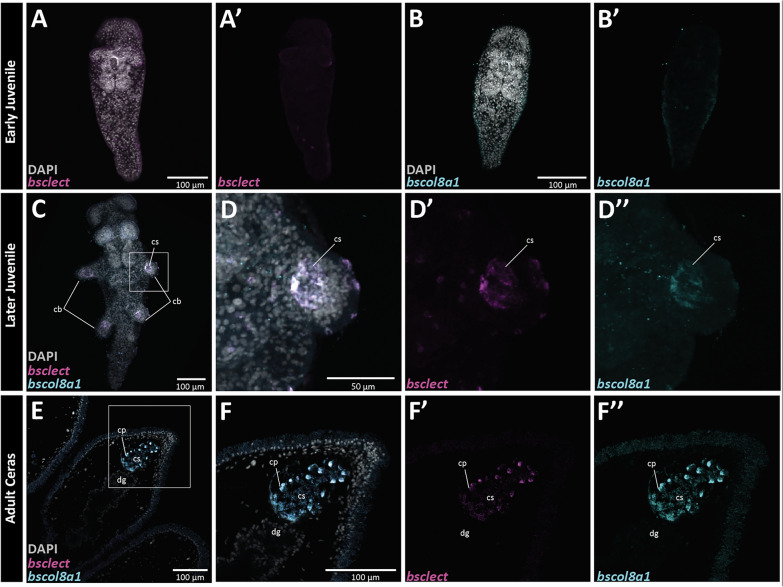 Figure 3
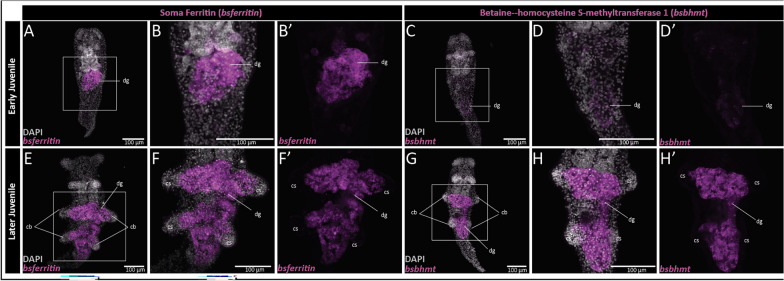 Figure 4
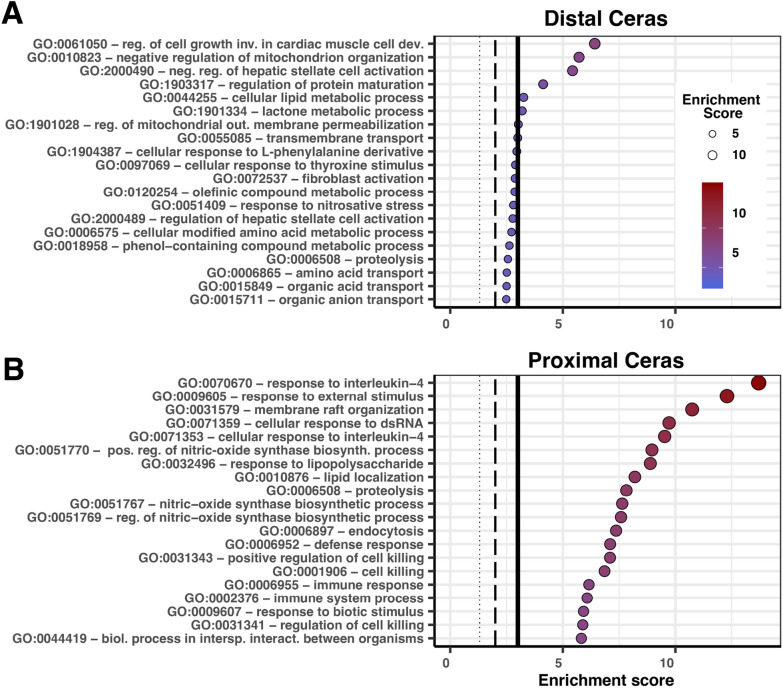 Figure 5
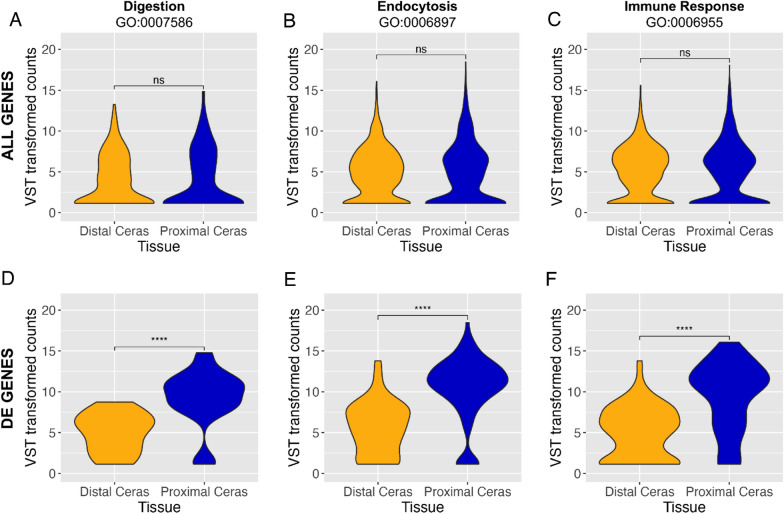 Figure 6
Peer Reviews
No public reviews on file for this paper yet. If you reviewed it on a platform where reviews are public (OpenReview, ICLR, NeurIPS, ICML), you can paste yours below so the community can read it here.
Videos
No videos yet. Explain this paper in a talk, walkthrough, or lecture? Add one.
Taxonomy
TopicsInvertebrate Immune Response Mechanisms · Cellular transport and secretion · Venomous Animal Envenomation and Studies