Identifying and exploiting combinatorial synthetic lethality by characterizing adaptive kinome rewiring of EGFRvIII-driven glioblastoma
Benjamin Lin, Abigail K. Shelton, Erin Smithberger, Julia Ziebro, Kasey R. Skinner, Ryan E. Bash, Richard Kirkman, Allie Stamper, Madison Butler, Alex Flores, Steven P. Angus, Michael P. East, Timothy F. Cloughesy, David A. Nathanson, Michael E. Berens, Jann N. Sarkaria

TL;DR
This study explores how combining drugs targeting specific kinases can improve treatment for a type of brain cancer called glioblastoma.
Contribution
The research introduces a new approach to identify combinatorial drug targets by analyzing kinome rewiring in EGFRvIII-driven glioblastoma.
Findings
Kinome rewiring shows both shared and unique kinases after resistance to EGFR inhibitors develops.
Combination therapy with abemaciclib and neratinib significantly prolonged survival in mouse models.
Drug treatment increases Cdk6 protein levels despite reduced cell proliferation.
Abstract
GBM is an aggressive primary malignant brain tumor that has a poor prognosis. Molecular characterization of GBM has shown that EGFR mutations are present in over 50% of tumors. However, EGFR inhibitors have not shown clinical efficacy in contrast to other EGFR-driven neoplasms due to the unique EGFR biology found in GBM. Upfront combinatorial therapy featuring EGFR tyrosine kinase inhibitors (TKI) may overcome these challenges. To identify combinatorial drug targets within the kinome, we temporally characterized drug-induced kinome rewiring in isogenic, genetically engineered Cdkn2a-deleted mouse astrocytes expressing human EGFRvIII. We utilize RNA sequencing and multiplex inhibitor beads, coupled with mass spectrometry, to demonstrate that kinome rewiring exhibits both shared and unique kinases after acquired resistance develops to EGFR TKI, despite using models with a common genetic…
Genes, proteins, chemicals, diseases, species, mutations and cell lines named across the full text — each resolved to its canonical identifier and authoritative record.
Click any figure to enlarge with its caption.
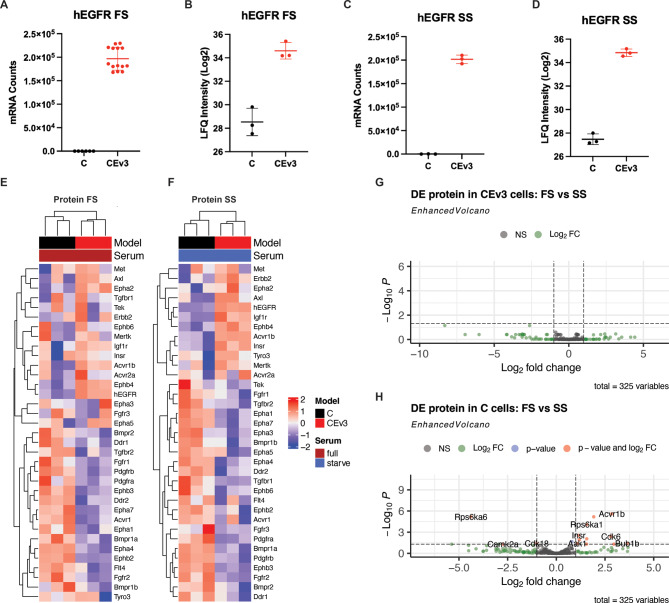 Figure 1
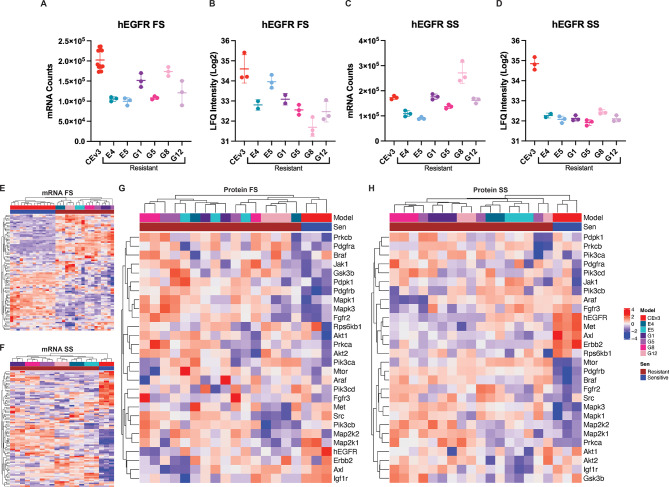 Figure 2
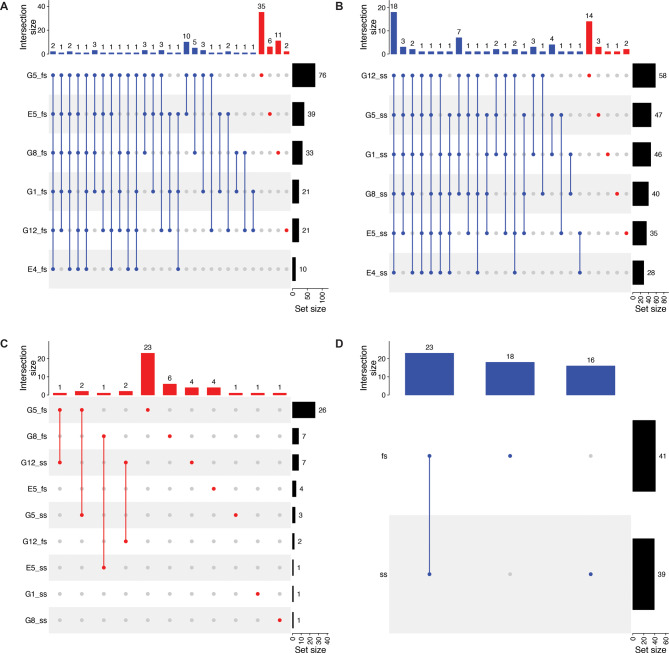 Figure 3
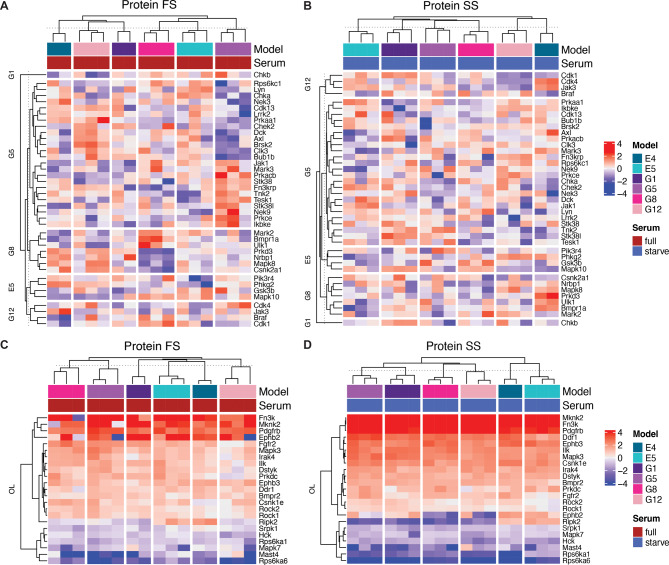 Figure 4
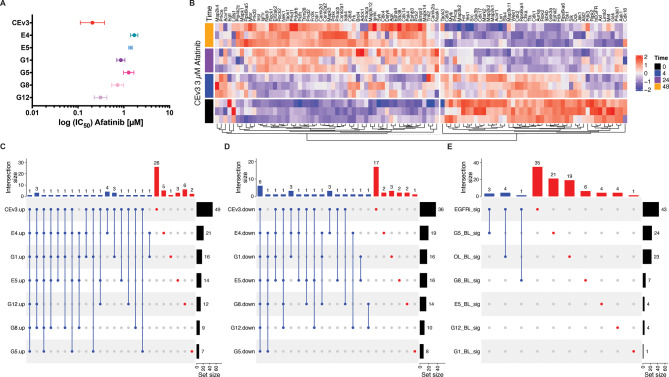 Figure 5
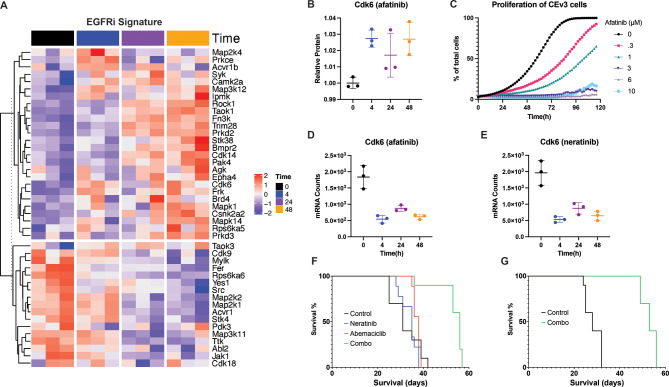 Figure 6
Peer Reviews
No public reviews on file for this paper yet. If you reviewed it on a platform where reviews are public (OpenReview, ICLR, NeurIPS, ICML), you can paste yours below so the community can read it here.
Videos
No videos yet. Explain this paper in a talk, walkthrough, or lecture? Add one.
Taxonomy
TopicsProtein Degradation and Inhibitors · Glioma Diagnosis and Treatment · Cancer Genomics and Diagnostics