Next-Generation Sequencing Techniques to Diagnose Culture-Negative Subacute Native Aortic Endocarditis
Delphine Vetterli, Morgana Zennaro, Virginie Tacchini, Joannes Alexander Lobrinus, Virginie Prendki, Vladimir Lazarevic, Jacques Schrenzel

TL;DR
Next-generation sequencing helped identify bacteria in a heart infection case that traditional methods missed.
Contribution
The study demonstrates how metagenomic analysis can detect bacteria missed by conventional methods in diagnosing endocarditis.
Findings
Metagenomic analysis detected Streptococcus gordonii in a heart valve sample.
The bacteria initially suspected, Solobacterium moorei, was not detected.
Molecular detection results depend on sampling time and anatomical site.
Abstract
Next-generation sequencing might improve diagnosis of infective endocarditis. A case in Switzerland was initially attributed to Solobacterium moorei bacteria. Metagenomic analysis of the affected heart valve detected Streptococcus gordonii, but not S. moorei, illustrating that the results of molecular detection can vary depending on sampling time and anatomic site.
Genes, proteins, chemicals, diseases, species, mutations and cell lines named across the full text — each resolved to its canonical identifier and authoritative record.
Click any figure to enlarge with its caption.
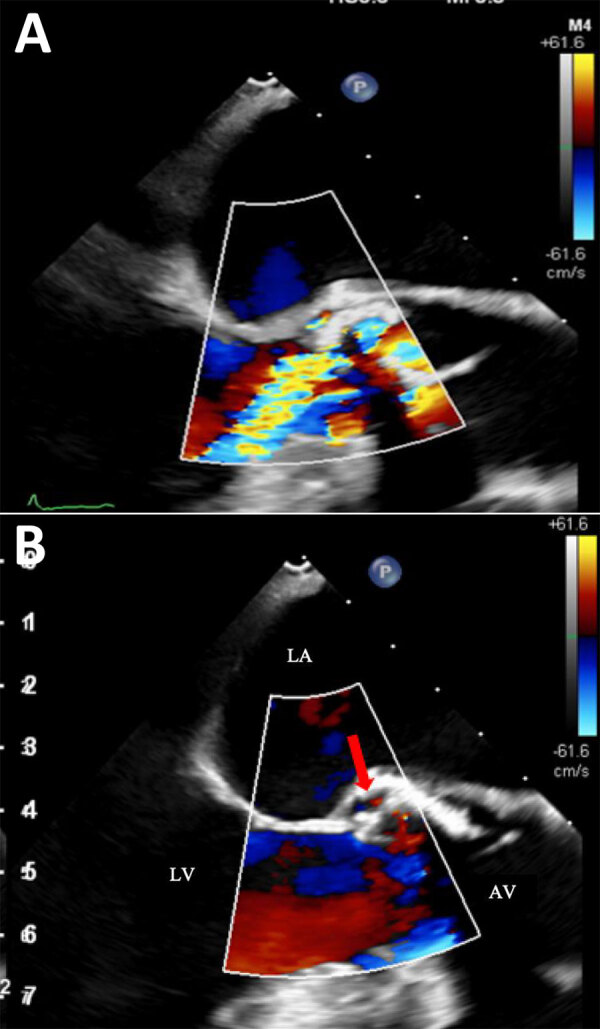 Figure 1
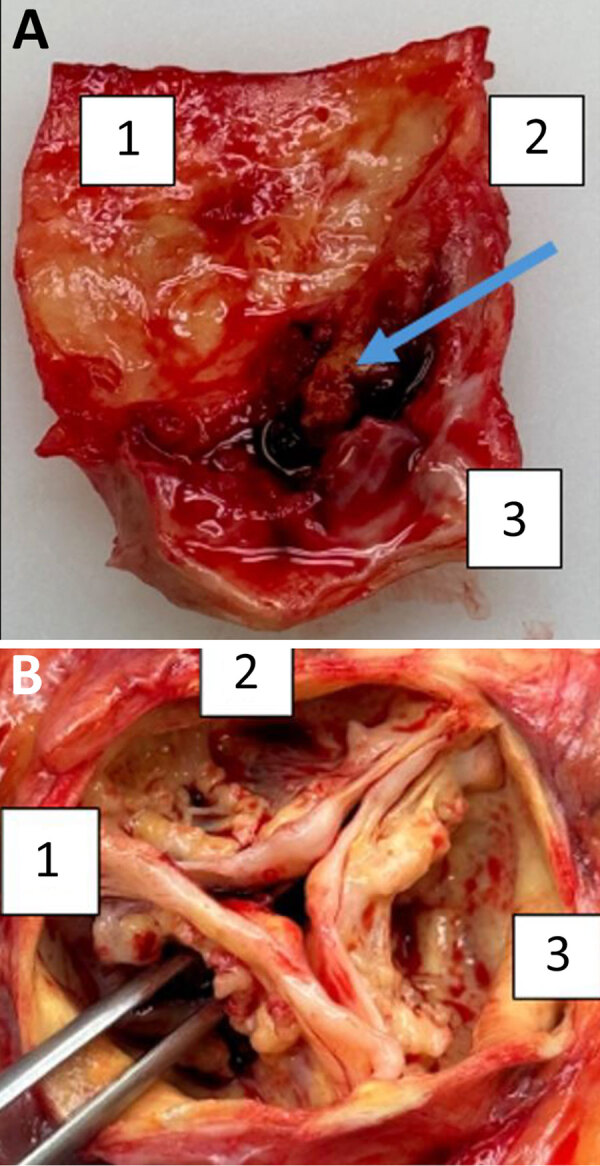 Figure 2
Peer Reviews
No public reviews on file for this paper yet. If you reviewed it on a platform where reviews are public (OpenReview, ICLR, NeurIPS, ICML), you can paste yours below so the community can read it here.
Videos
No videos yet. Explain this paper in a talk, walkthrough, or lecture? Add one.
Taxonomy
TopicsInfective Endocarditis Diagnosis and Management · Infectious Aortic and Vascular Conditions · Vasculitis and related conditions