Effects of chronic volume deprivation on the ventricle
Bjorn Cools, Filip Rega, Alexander Van De Bruaene, Manon Van Hecke, Libera Fresiello, Stephanie Devleeschauwer, Stephen Brown, Piet Claus, Marc Gewillig

TL;DR
Chronic ventricular volume deprivation in lambs leads to reduced ventricular compliance and elevated filling pressures, with no significant fibrosis observed.
Contribution
The study introduces a novel animal model to investigate chronic ventricular volume deprivation and its effects on ventricular compliance and hemodynamics.
Findings
Chronic volume deprivation caused elevated end-diastolic pressure and reduced ventricular volumes compared to controls.
Acute reloading after debanding increased end-diastolic pressure further, indicating impaired compliance.
Histologic analysis showed no significant fibrosis in the deprived ventricles.
Abstract
Little is known of the haemodynamic changes following chronic ventricular volume deprivation, which impact understanding the disease course and treatment results. An animal model was created to study the effects of chronic ventricular volume deprivation and acute reloading. In 13 lambs, a polytetrafluoroethylene strip was placed around the inferior and superior caval vein through thoracotomy resulting in progressive ventricular volume deprivation during growth. After 10 months, the polytetrafluoroethylene bands were relieved. Magnetic resonance imaging and haemodynamic measurements including pressure–volume loops were performed before and after debanding and compared to age and weight-matched controls (n = 6). The end-diastolic pressure was elevated compared to healthy animals (median [interquartile range] 8.1 [7.2–9.1] vs 1.0 [1.0–2.7] mmHg, P 0.030). The end-diastolic pressure after…
Genes, proteins, chemicals, diseases, species, mutations and cell lines named across the full text — each resolved to its canonical identifier and authoritative record.
Click any figure to enlarge with its caption.
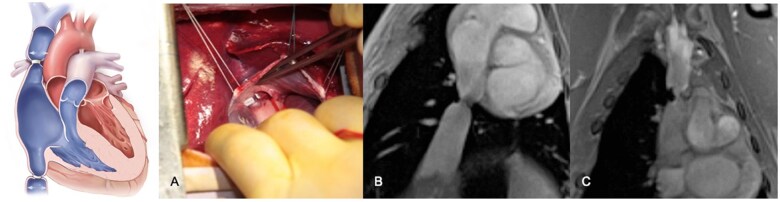 Figure 1
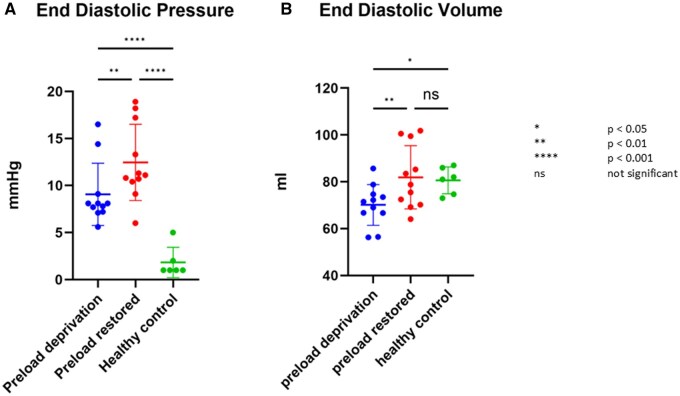 Figure 2
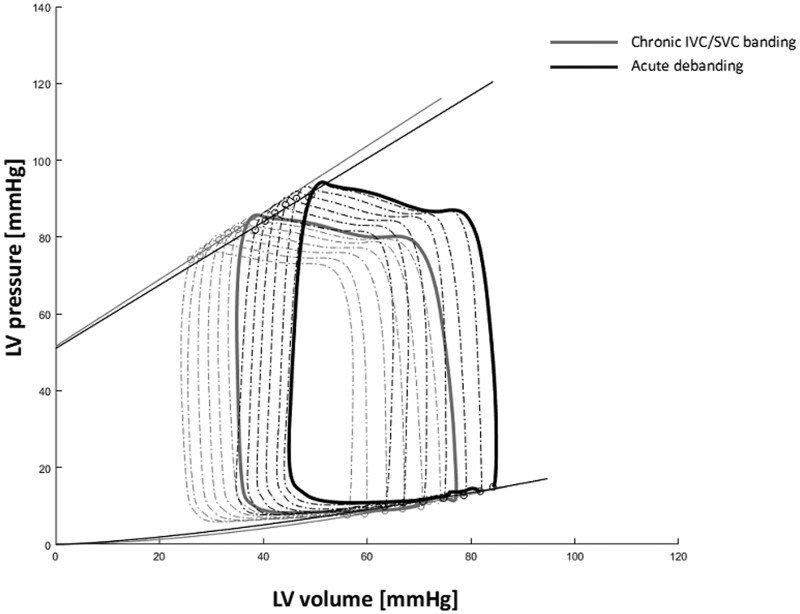 Figure 3
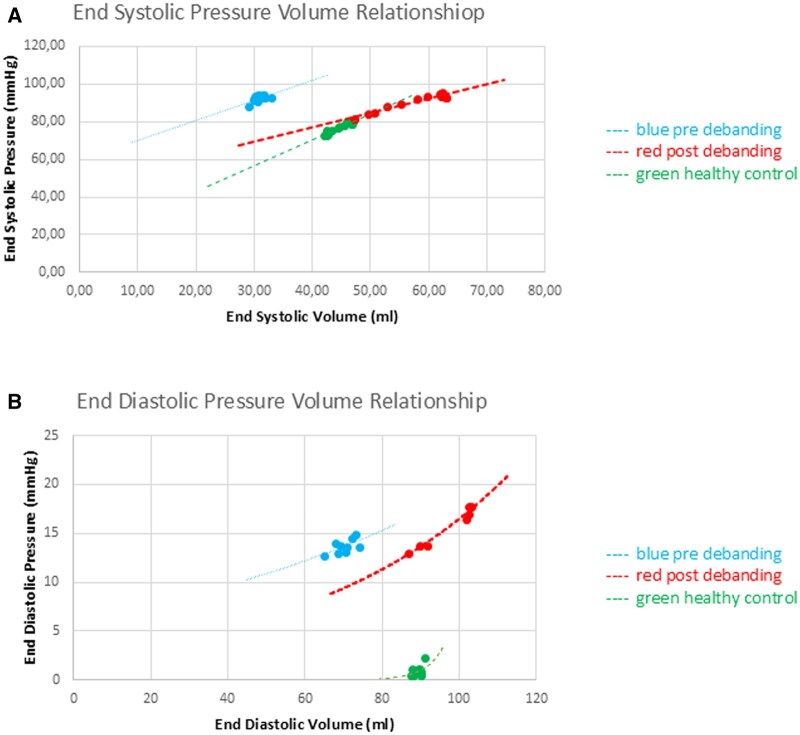 Figure 4
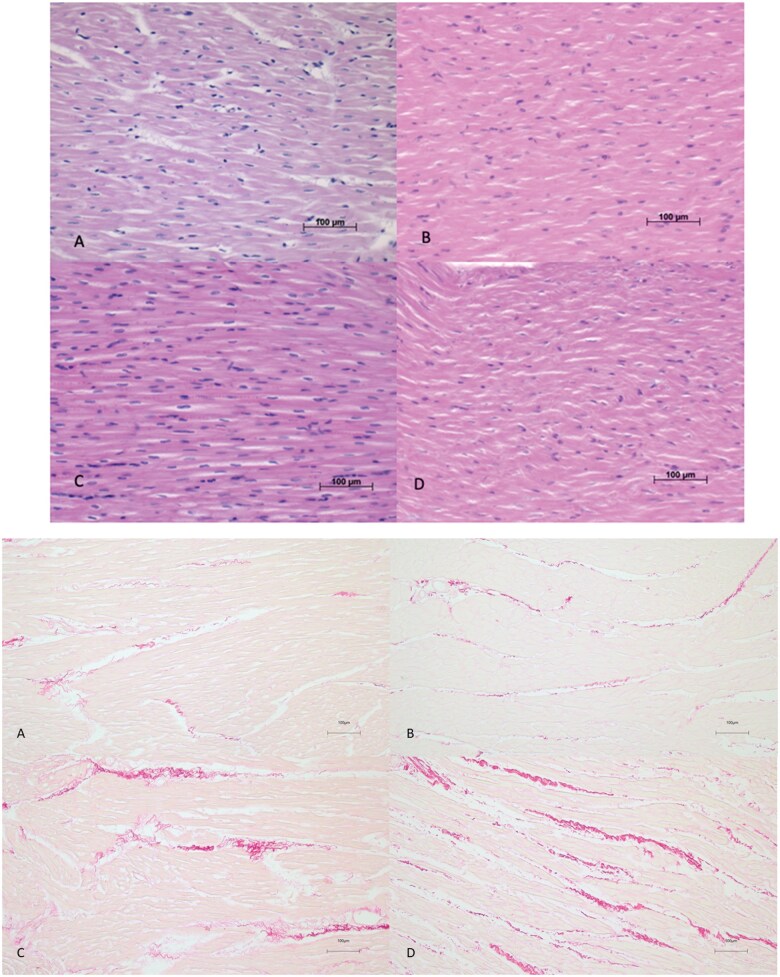 Figure 5
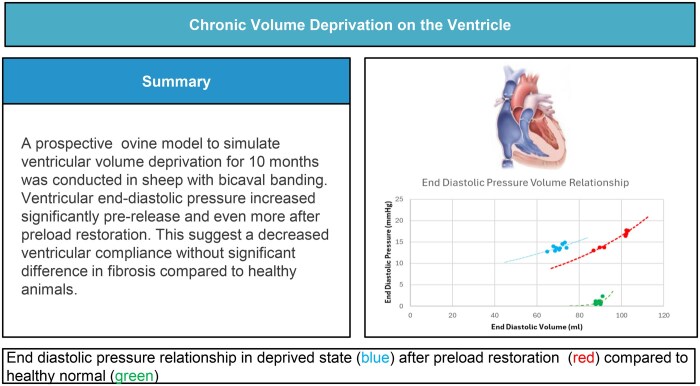 Figure 6
Peer Reviews
No public reviews on file for this paper yet. If you reviewed it on a platform where reviews are public (OpenReview, ICLR, NeurIPS, ICML), you can paste yours below so the community can read it here.
Videos
No videos yet. Explain this paper in a talk, walkthrough, or lecture? Add one.
Taxonomy
TopicsCardiovascular Function and Risk Factors · Pulmonary Hypertension Research and Treatments · Congenital Heart Disease Studies