Lay representations of social class: A mixed methods approach to wealth‐based group perceptions and stereotypes
Ángel del Fresno‐Díaz, Efraín García‐Sánchez, Elena Padial‐Rojas, Guillermo B. Willis, Soledad de Lemus

TL;DR
This study explores how ordinary people in Spain perceive social classes based on wealth, revealing that non-wealthy groups are often associated with positive traits while wealthy groups are linked to negative stereotypes.
Contribution
The paper introduces a context-sensitive mixed-methods approach to uncover lay perceptions of social class and their associated stereotypes in Spain.
Findings
Participants identified 2-7 wealth-based groups, which were categorized into five main classes for analysis.
Non-wealthy groups were associated with positive traits, while wealthy groups were linked to negative stereotypes.
Psychometric networks and meta-analyses confirmed that non-wealthy groups are perceived more positively, with some ambivalence.
Abstract
People's perceptions of social classes may differ from scholars' definitions. We used a mixed method, sensitive to context, to examine lay perceptions of social classes in Spain. In Study 1 (N = 90), we conducted qualitative interviews to examine how people spontaneously characterize wealth‐based groups. Participants identified between two and seven groups. We grouped these into five main analytical categories for analytical purposes: poor, lower and working classes, middle classes, upper classes and rich and beyond. These groups were described based on material characteristics, traits and culture. Positive traits were mainly associated with non‐wealthy groups, especially the lower and working classes, while negative traits were associated with wealthy groups. In Studies 2 (N = 251) and 3 (N = 190), we extended these findings quantitatively, showing that positive stereotypes were…
Genes, proteins, chemicals, diseases, species, mutations and cell lines named across the full text — each resolved to its canonical identifier and authoritative record.
Click any figure to enlarge with its caption.
 Figure 1
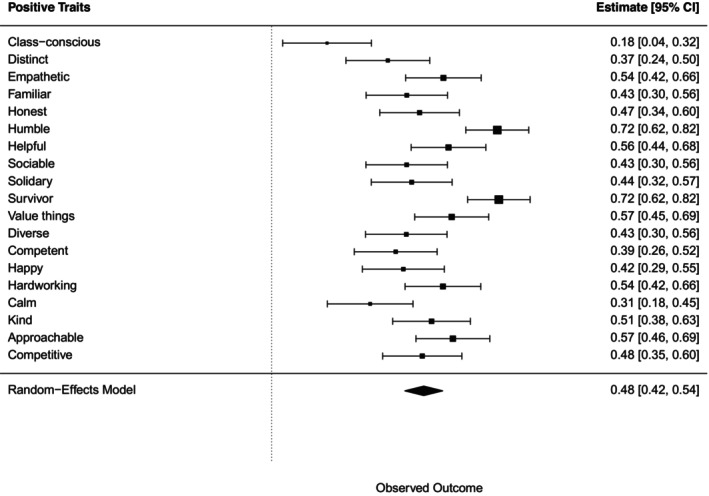 Figure 2
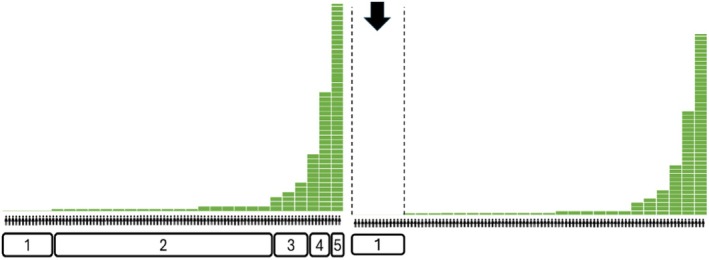 Figure 3
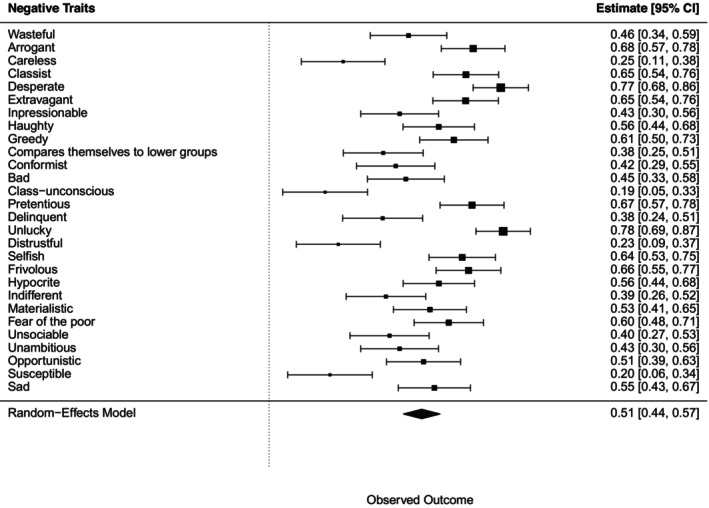 Figure 4
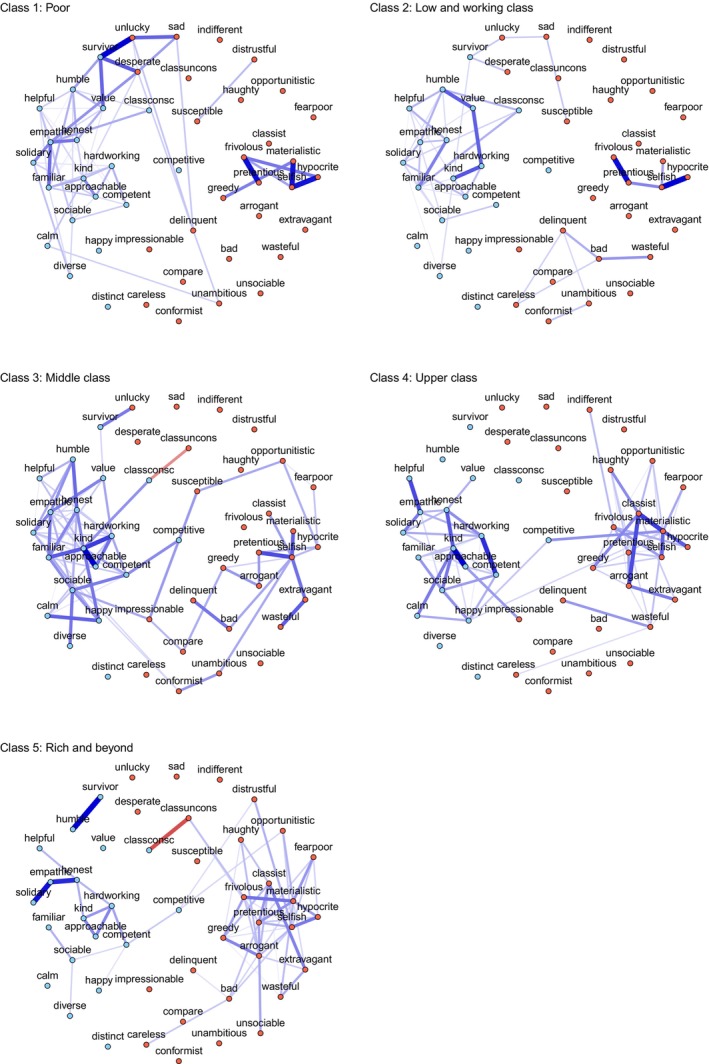 Figure 5
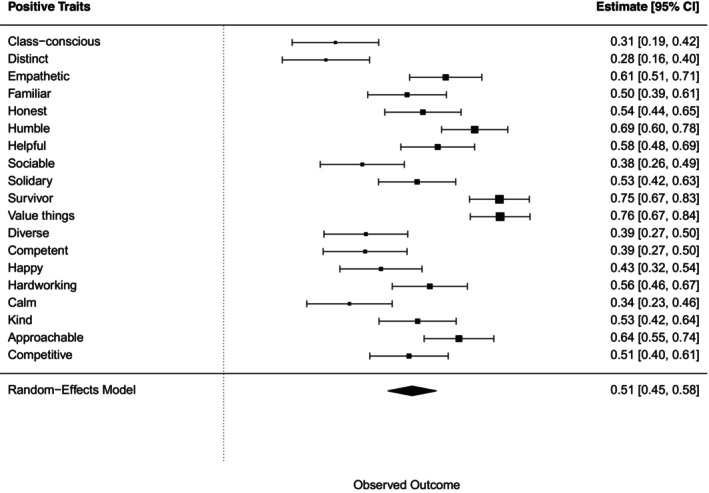 Figure 6
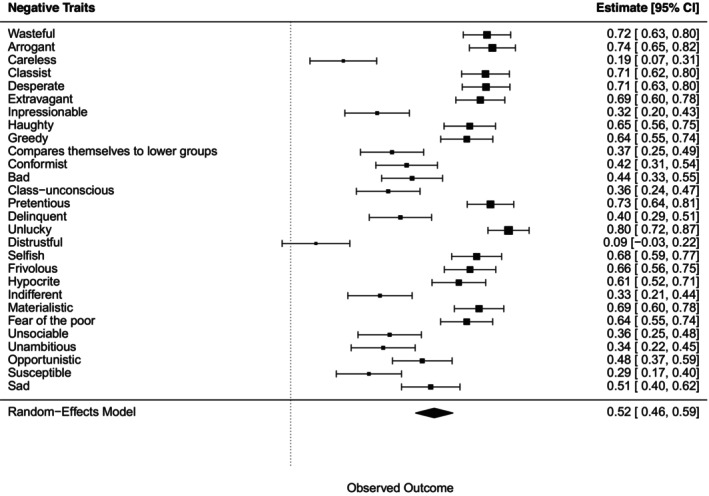 Figure 7
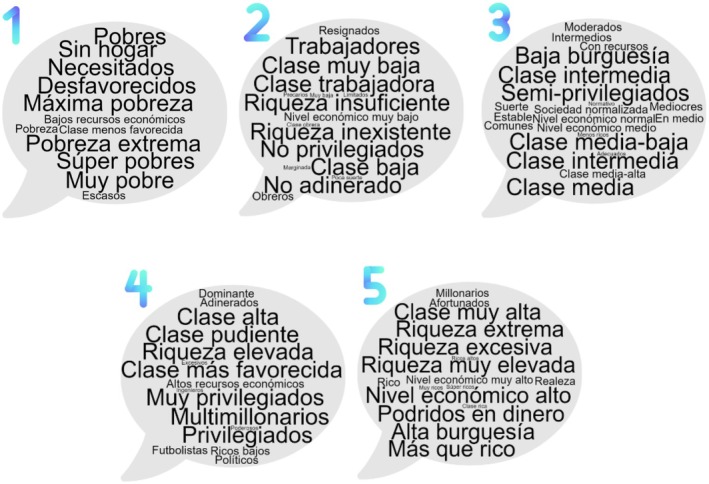 Figure 8
Peer Reviews
No public reviews on file for this paper yet. If you reviewed it on a platform where reviews are public (OpenReview, ICLR, NeurIPS, ICML), you can paste yours below so the community can read it here.
Videos
No videos yet. Explain this paper in a talk, walkthrough, or lecture? Add one.
Taxonomy
TopicsSocial and Intergroup Psychology · Social and Cultural Dynamics · Cultural Differences and Values