ADAT3-related neurodevelopmental disorder in 24 new patients with a high frequency of the p.Val144Met and a new founder variant
Karima Rafat, Asmaa F. Abdel-Aleem, Hasnaa M. Elbendary, Mahmoud Y. Issa, Mona L. Essawi, Sherif F. Abdel-Ghafar, Ghada M. H. Abdel-Salam, Mohamed S. Abdel-Hamid, Maha S. Zaki

TL;DR
This study reports 24 Egyptian patients with a rare neurodevelopmental disorder caused by mutations in the ADAT3 gene, highlighting a common genetic variant and a new one.
Contribution
The study identifies a new founder variant in the ADAT3 gene and confirms a high frequency of an existing variant in the Egyptian population.
Findings
24 patients from 16 Egyptian families were found to have ADAT3-related neurodevelopmental disorder.
The p.Val144Met variant was detected in 70% of patients, suggesting a founder effect in the region.
A new founder variant, p.Glu107Lys, was identified in 25% of patients with a shared haplotype.
Abstract
Biallelic variants in the adenosine deaminase tRNA specific 3 (ADAT3) gene are associated with a distinct neurodevelopmental disorder characterized by dysmorphic facies, poor growth, cognitive impairment, and variable brain anomalies. We describe 24 patients from 16 unrelated Egyptian families with ADAT3-related neurodevelopmental disorder. All patients presented with developmental delay, growth retardation, cognitive impairment, and the characteristic facial features of the disorder, which appears to be more recognizable in older patients. Seizures were noted in 20% of patients and showed favorable responses to treatment. Brain imaging showed corpus callosum abnormalities in most patients (91.6%), followed by delayed myelination and cortical atrophy. Exome sequencing identified three ADAT3 variants, including the Saudi founder variant c.430G > A (p.Val144Met), which was detected in 17…
Genes, proteins, chemicals, diseases, species, mutations and cell lines named across the full text — each resolved to its canonical identifier and authoritative record.
Click any figure to enlarge with its caption.
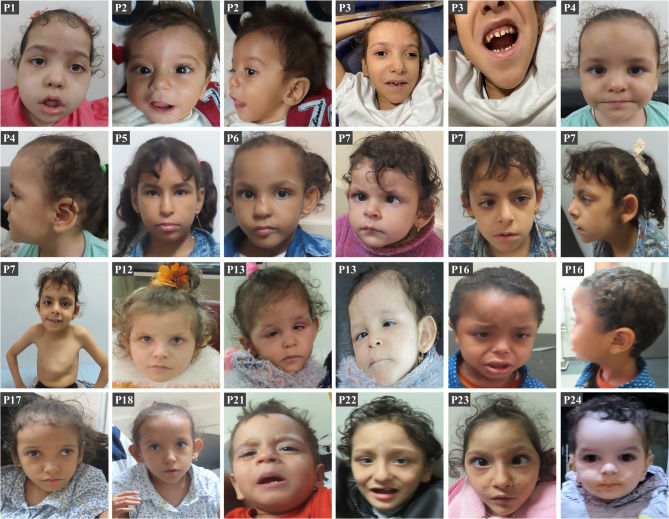 Figure 1
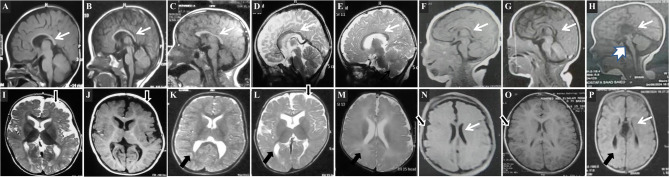 Figure 2
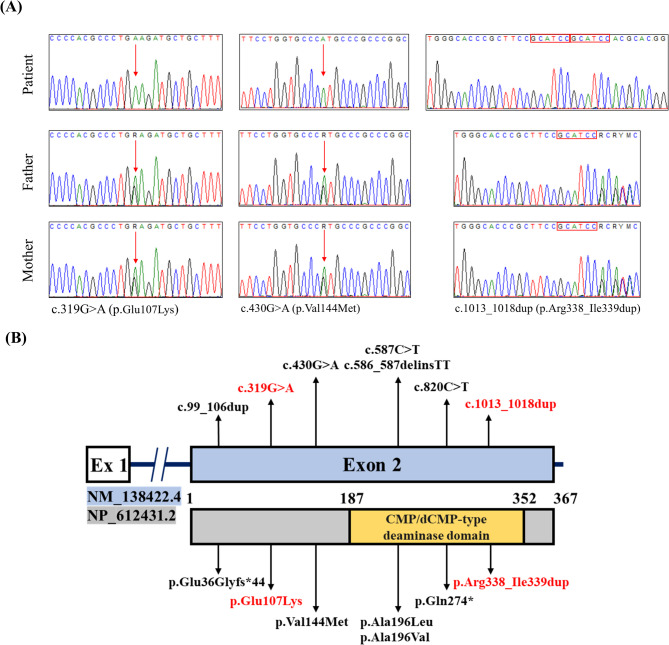 Figure 3
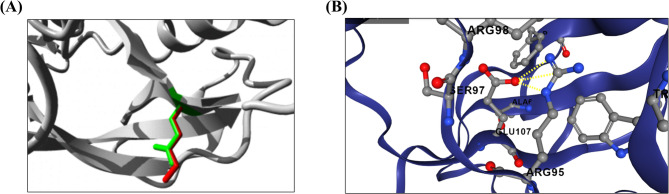 Figure 4
Peer Reviews
No public reviews on file for this paper yet. If you reviewed it on a platform where reviews are public (OpenReview, ICLR, NeurIPS, ICML), you can paste yours below so the community can read it here.
Videos
No videos yet. Explain this paper in a talk, walkthrough, or lecture? Add one.
Taxonomy
TopicsRNA and protein synthesis mechanisms · RNA modifications and cancer · RNA regulation and disease