Hesperidin exacerbates the therapeutic potency of cisplatin against hepatocytotoxicity of Ehrlich ascites carcinoma in mice
Nahed Saleh, Tamer Allam, Reda M. S. Korany, Abdelfattah M. Abdelfattah, Ahmed M. Omran, Mabrouk Attia Abd Eldaim, Nermeen Borai El-Borai

TL;DR
Hesperidin enhances cisplatin's effectiveness against liver damage caused by Ehrlich ascites carcinoma in mice while reducing cisplatin's side effects.
Contribution
Hesperidin is shown to improve cisplatin's antitumor effects and reduce its hepatotoxic side effects in EAC-bearing mice.
Findings
Hesperidin reversed EAC-induced liver damage and improved serum and liver biomarkers.
Hesperidin reduced cisplatin-mediated hepatic toxicity in EAC-bearing mice.
Hesperidin showed potential as a phytochemical to enhance chemotherapy efficacy and safety.
Abstract
The present research was set out to delineate the protective and therapeutic potency of hesperidin (Hesp) versus cisplatin (Cis) against the deleterious consequences of Ehrlich ascites carcinoma (EAC) on the liver and the prospective mitigative effect of Hesp against Cis-mediated hepatotoxic side-effects. A total of 70 female mice were randomly assigned into control, Hesp, EAC, Hesp-protected, Hesp-treated, Cis-treated, and Cis + Hesp-treated groups. Mice inoculated with EAC cells exhibited significant reductions in the serum total protein and albumin levels, along with significant elevations of the serum aminotransferases, lactate dehydrogenase, amylase, and lipase activities, and alpha-fetoprotein level. A significant increment in malondialdehyde level concomitantly with significant declines in reduced glutathione concentration and catalase activity were also observed in the liver of…
Genes, proteins, chemicals, diseases, species, mutations and cell lines named across the full text — each resolved to its canonical identifier and authoritative record.
Click any figure to enlarge with its caption.
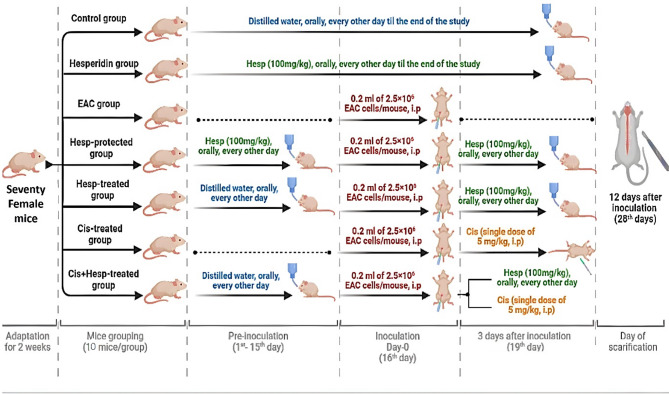 Figure 1
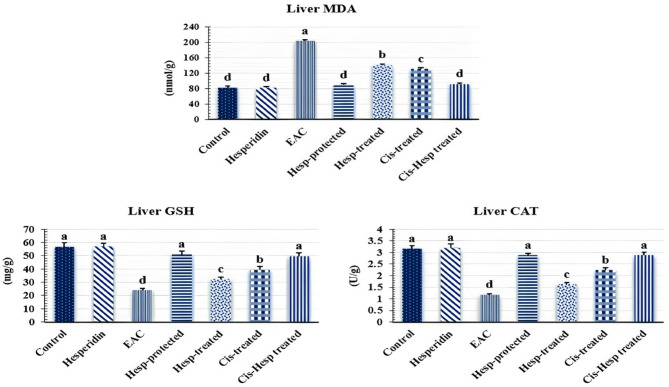 Figure 2
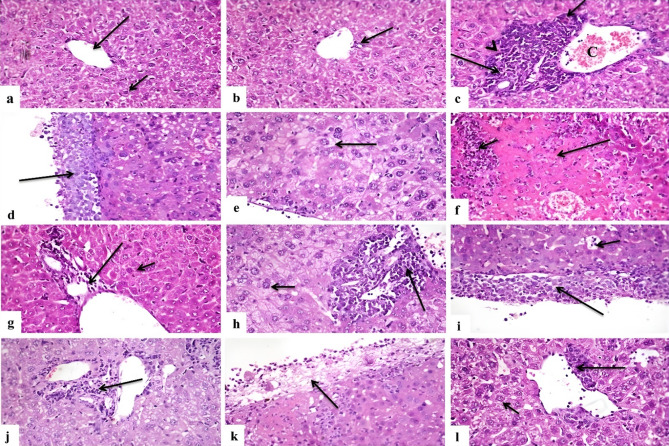 Figure 3
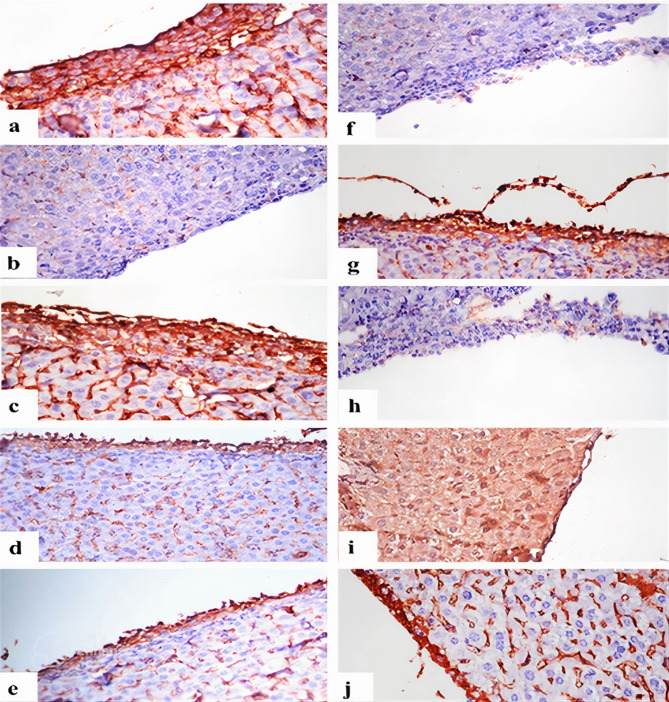 Figure 4
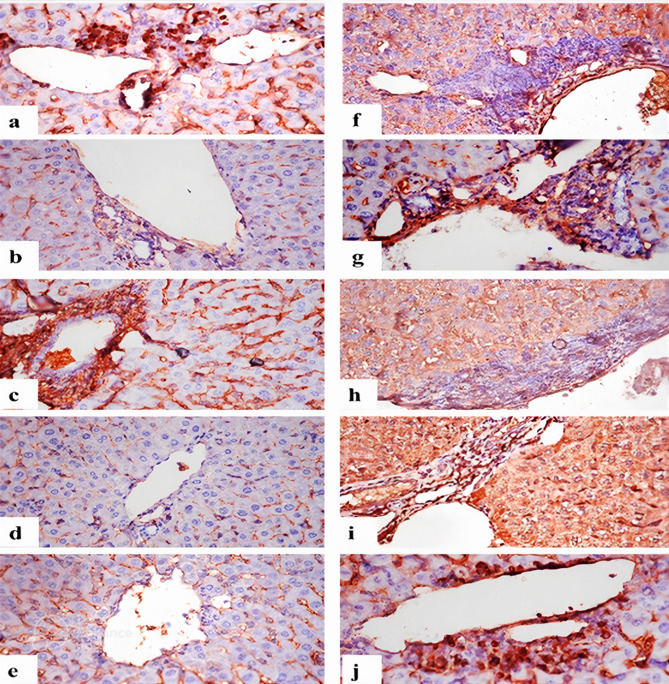 Figure 5
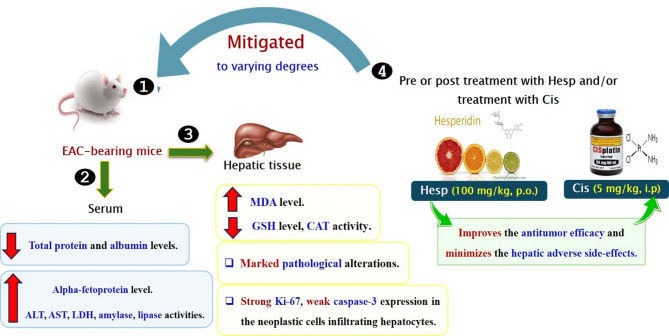 Figure 6
Peer Reviews
No public reviews on file for this paper yet. If you reviewed it on a platform where reviews are public (OpenReview, ICLR, NeurIPS, ICML), you can paste yours below so the community can read it here.
Videos
No videos yet. Explain this paper in a talk, walkthrough, or lecture? Add one.
Taxonomy
TopicsChemotherapy-induced organ toxicity mitigation · Drug-Induced Hepatotoxicity and Protection · Nigella sativa pharmacological applications