Traumatic fractures of the sternum – typical distribution and need for subgroups within AO and OTA classification system?
Johannes Groh, Florian Kern, Anne Schenderlein, Johannes Krause, Mario Perl, Stefan Schulz-Drost

TL;DR
This study examines sternal fractures to validate the AO classification system and suggests defining subgroups based on fracture location and type.
Contribution
The study proposes new subgroups for sternal fractures based on morphological analysis to improve classification accuracy.
Findings
Most sternal fractures occurred in the corpus, with simple fracture patterns.
Manubrium fractures were less common but more complex, indicating higher trauma energy.
Defined subgroups can help identify trauma mechanisms and associated injuries.
Abstract
Objective of this study is the morphologic validation of the AO-classification of the sternal bone and particularly define subgroups. Analyzed were all patients of a level I trauma center of a 7-year period with fractures of the sternal bone and the anterior rib cartilage. A total number of n = 124 patients was included. The detailed evaluation of the CT-data recorded anatomical basic data of the rib cage and every fracture with its position, dislocation, fracture pattern (which was classified following the AO). 116 (93.5%) patients showed 134 single fractures of the sternal bone, 48 (35.8%) of the manubrium, 81 (60.4%) of the corpus sterni and 5 (3.7%) of the xyphoid. 16 patients had a dual fracture of manubrium and corpus. Fractures of the corpus were mostly type A-fractures, followed by type B-and C-fractures. Manubrial fractures had the same number of type A- and B-fractures.…
Genes, proteins, chemicals, diseases, species, mutations and cell lines named across the full text — each resolved to its canonical identifier and authoritative record.
Click any figure to enlarge with its caption.
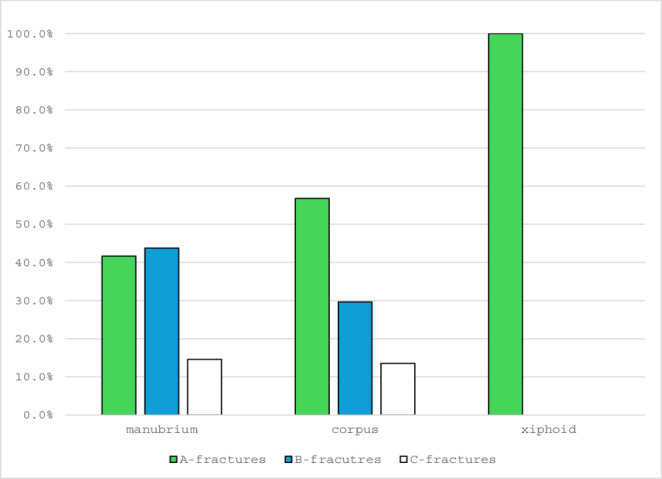 Figure 10
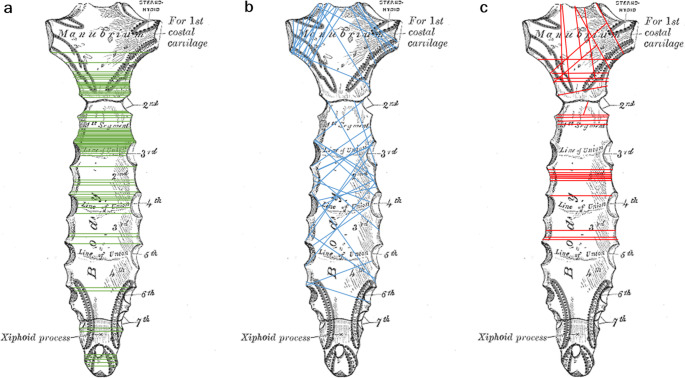 Figure 11
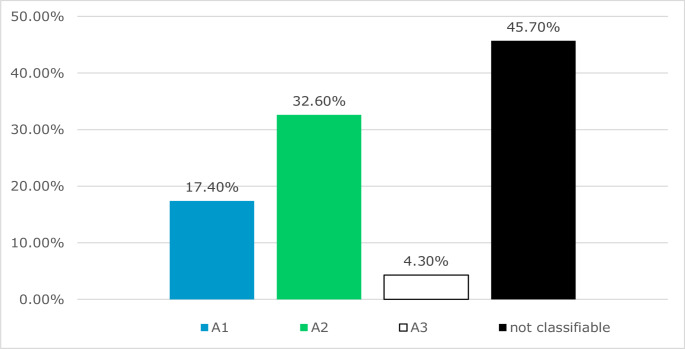 Figure 12
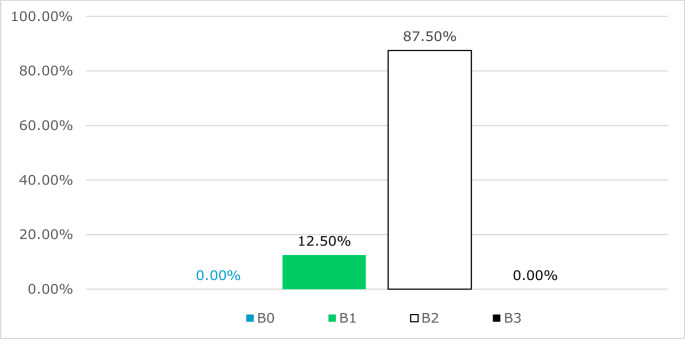 Figure 13
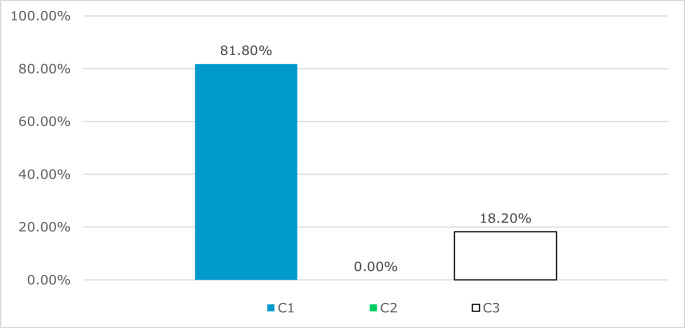 Figure 14
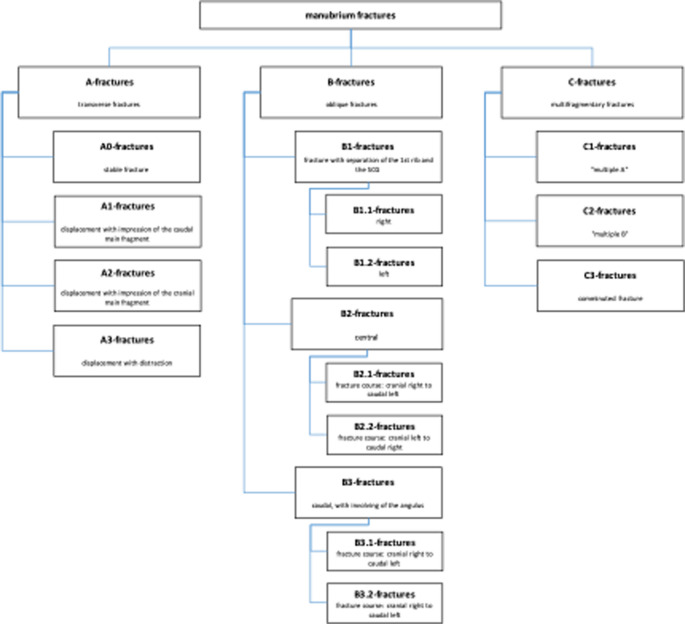 Figure 15
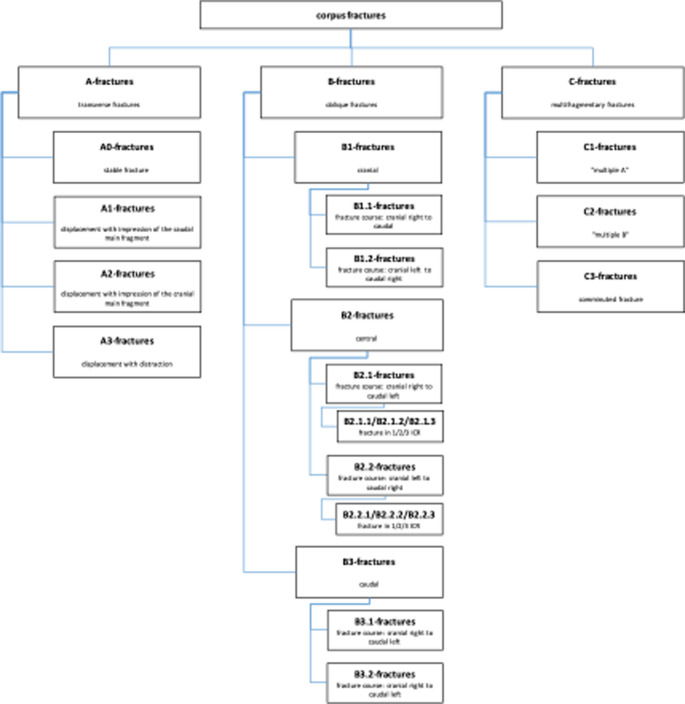 Figure 16
 Figure 17
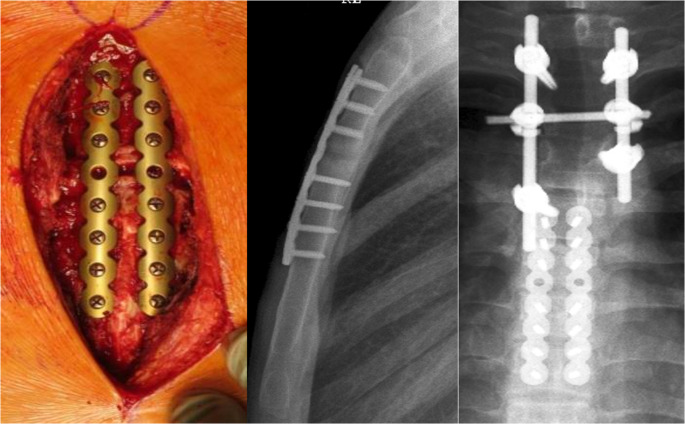 Figure 18
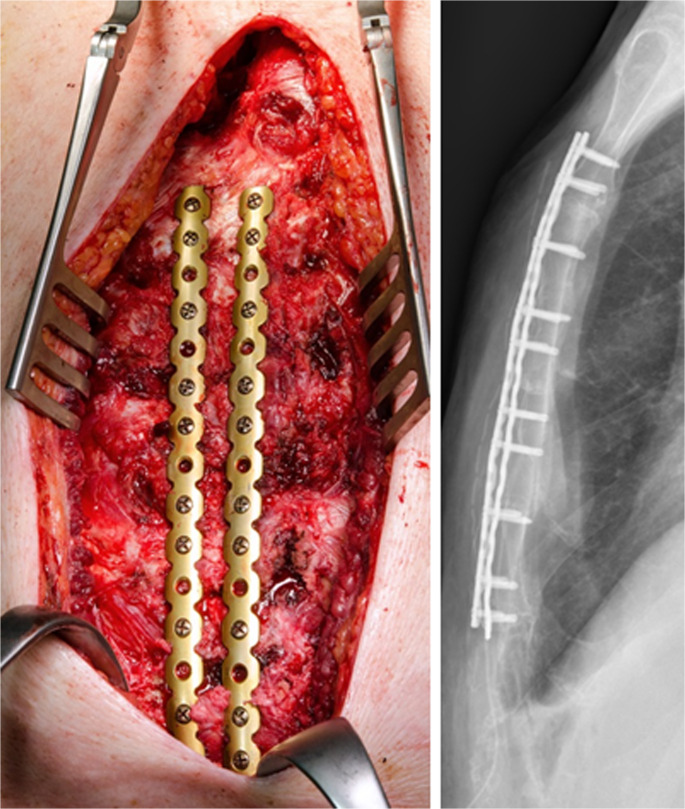 Figure 19
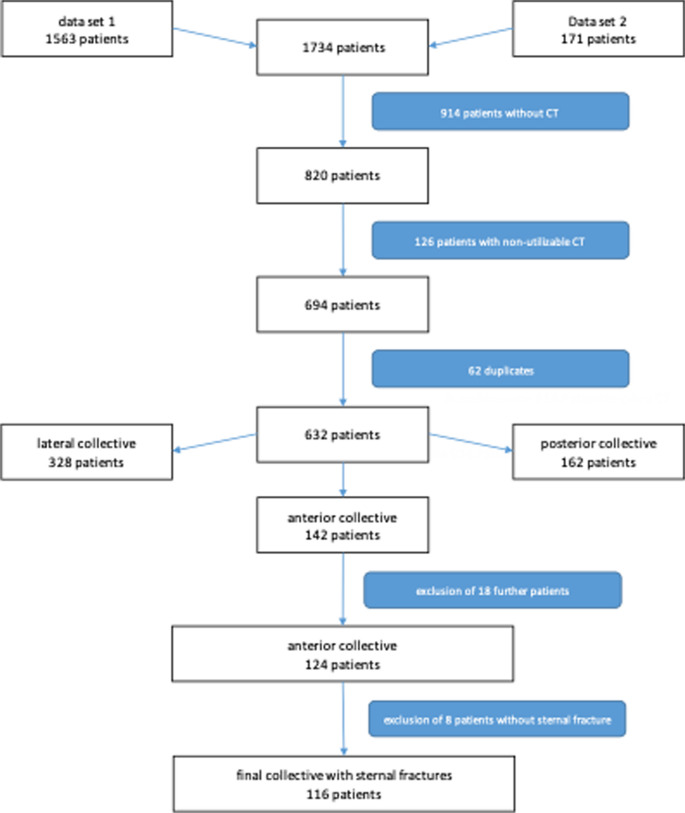 Figure 1
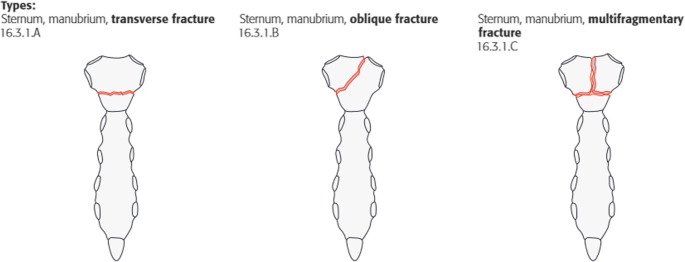 Figure 2
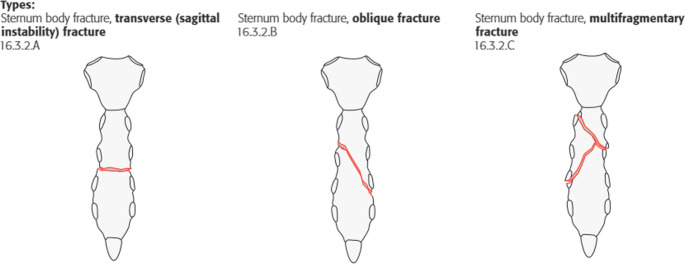 Figure 3
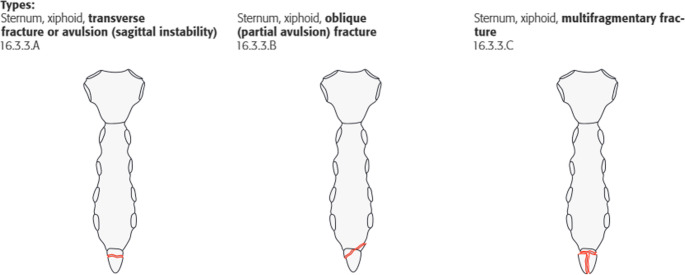 Figure 4
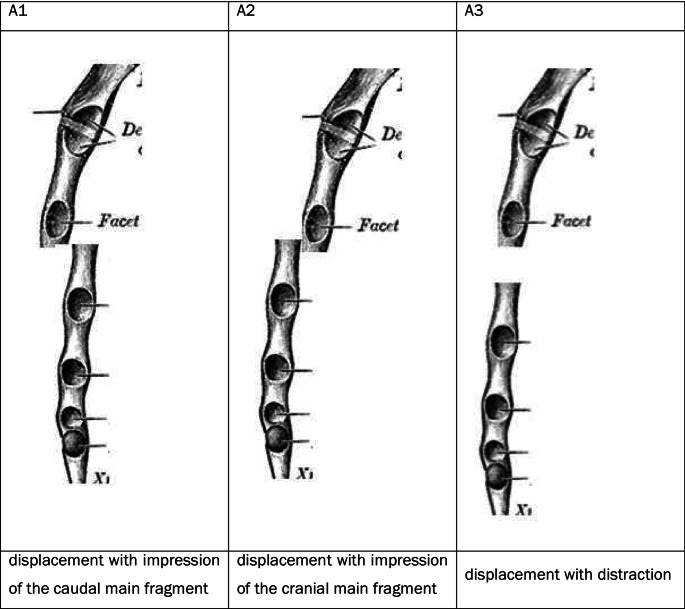 Figure 5
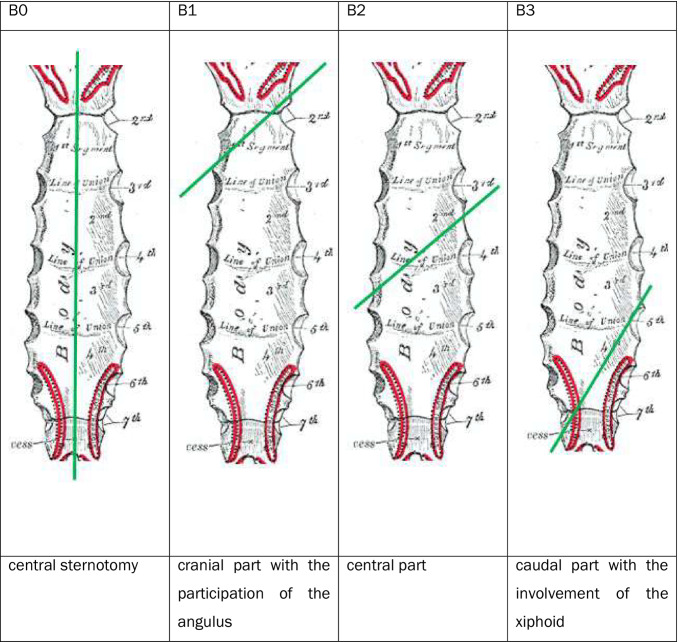 Figure 6
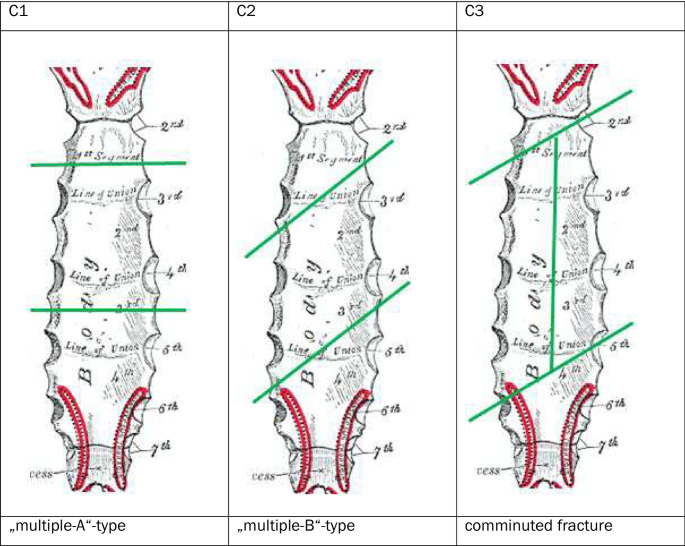 Figure 7
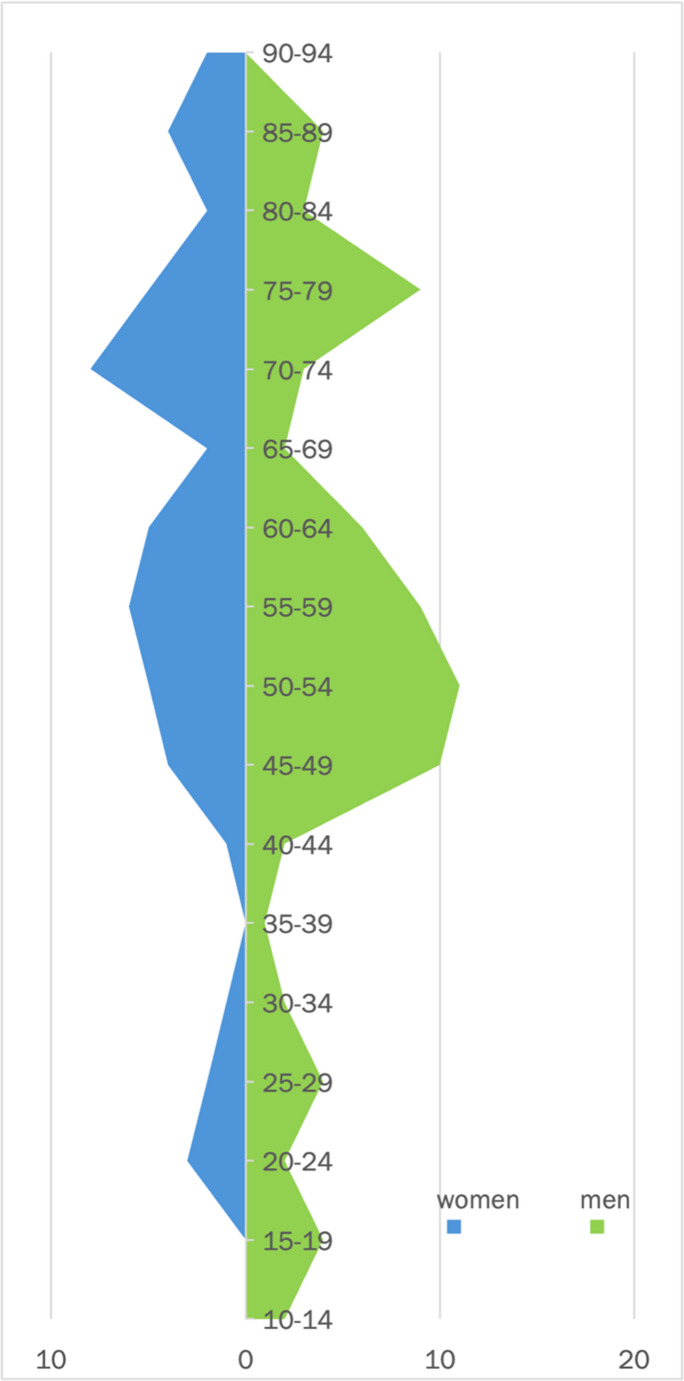 Figure 8
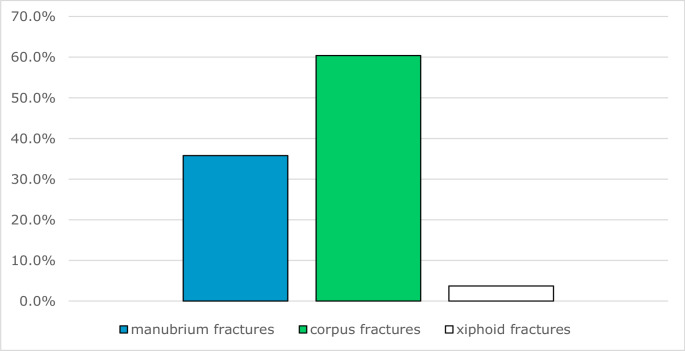 Figure 9
Peer Reviews
No public reviews on file for this paper yet. If you reviewed it on a platform where reviews are public (OpenReview, ICLR, NeurIPS, ICML), you can paste yours below so the community can read it here.
Videos
No videos yet. Explain this paper in a talk, walkthrough, or lecture? Add one.
Taxonomy
TopicsTrauma Management and Diagnosis · Shoulder and Clavicle Injuries · Bone fractures and treatments