Diagnostic performance of black tent sign on 3D T2 SPACE in the diagnosis of idiopathic normal-pressure hydrocephalus
Ahmet Yalcin, Tugrul Akkus, Alperen Tezcan, Birkan Usta, Revza Yalcin, Fatma Simsek, Mete Zeynal

TL;DR
The 'black tent' sign on 3D T2 SPACE MRI shows high accuracy in diagnosing idiopathic normal-pressure hydrocephalus, especially in older patients.
Contribution
This study introduces the 'black tent' sign as a novel imaging marker for diagnosing iNPH with high diagnostic performance.
Findings
The black tent sign had 90.91% sensitivity and 78.95% specificity for diagnosing iNPH.
In patients over 60, the sign showed improved accuracy with 91.49% overall accuracy.
The black tent sign outperformed DESH in diagnostic performance (p = 0.007).
Abstract
Idiopathic normal-pressure hydrocephalus (iNPH) presents with Hakim’s triad and diagnosis is solely based on clinical findings. The role of imaging is confined to the detection of ventriculomegaly and the exclusion of other possible entities. Hyperdynamic CSF flow has been demonstrated in various flow-related imaging studies. In this study, we aimed to investigate the diagnostic performance of the “black tent” sign in the CSF flow-sensitive T2 SPACE sequence. This retrospective study includes 22 patients diagnosed with iNPH who underwent CSF shunting and benefited from the procedure and showed clinical recovery. The control group consisted of 38 patients with excluded diagnoses of iNPH by clinical examination and follow-up. T2 SPACE images from both groups were assessed according to the presence of the “black tent” which was defined as a signal void detected on the T2 SPACE image…
Genes, proteins, chemicals, diseases, species, mutations and cell lines named across the full text — each resolved to its canonical identifier and authoritative record.
Click any figure to enlarge with its caption.
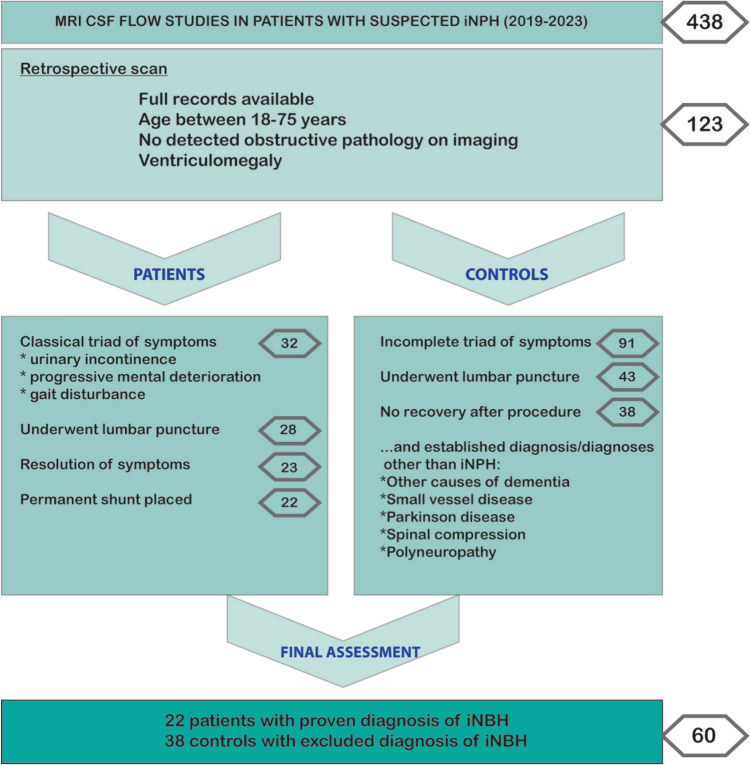 Figure 1
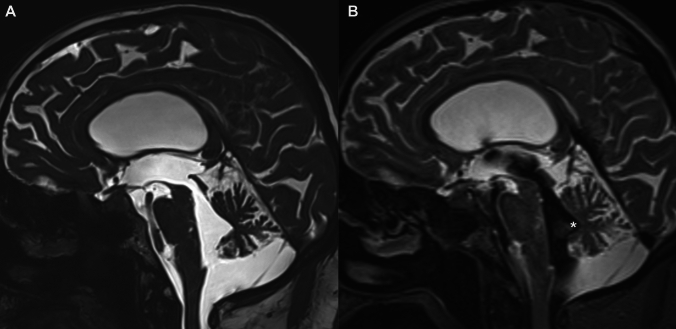 Figure 2
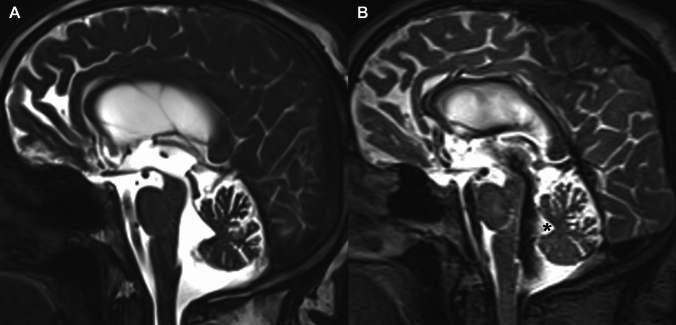 Figure 3
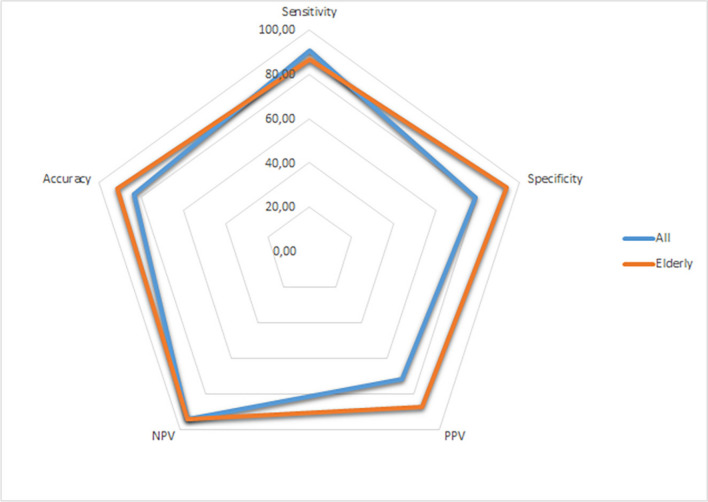 Figure 4
Peer Reviews
No public reviews on file for this paper yet. If you reviewed it on a platform where reviews are public (OpenReview, ICLR, NeurIPS, ICML), you can paste yours below so the community can read it here.
Videos
No videos yet. Explain this paper in a talk, walkthrough, or lecture? Add one.
Taxonomy
TopicsCerebrospinal fluid and hydrocephalus · Traumatic Brain Injury and Neurovascular Disturbances · Neurosurgical Procedures and Complications