Expectations don’t protect us from emotional distractions
André Botes, Imogen A. Moore, Gina M. Grimshaw

TL;DR
The study shows that expecting emotional distractions does not help people ignore them better, and sometimes makes the distraction worse.
Contribution
The paper demonstrates that expectation of emotional distractions does not improve attentional control and may even increase distraction.
Findings
Emotional images were more distracting than neutral ones.
Predictability of emotional distractors did not improve participants' ability to ignore them.
Incentives to use sequential distractor patterns did not reduce distraction.
Abstract
We often attend to irrelevant information to the detriment of our goals. Emotional stimuli, in particular, capture attention effectively. Usually, this capture is adaptive – alerting us to possible threats or rewards – but can be costly when attention is required elsewhere. Previous studies show that we are less distracted by emotional stimuli when they appear frequently, consistent with the claim that expectation of upcoming conflict encourages the use of effective proactive attentional control. An alternative explanation, however, is that better attentional control arises through greater experience with frequent distractors. To distinguish between these alternatives, we conducted three experiments that tested the effects of expectation on attentional control of emotional distractors while holding experience constant. Participants performed a simple letter identification task while…
Genes, proteins, chemicals, diseases, species, mutations and cell lines named across the full text — each resolved to its canonical identifier and authoritative record.
Click any figure to enlarge with its caption.
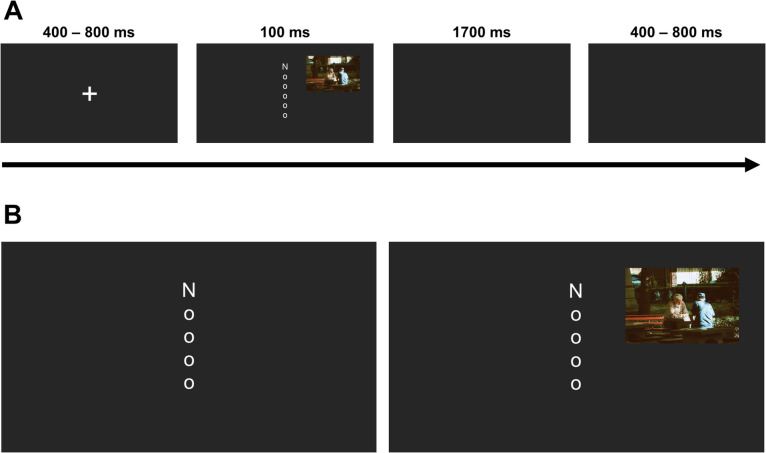 Figure 1
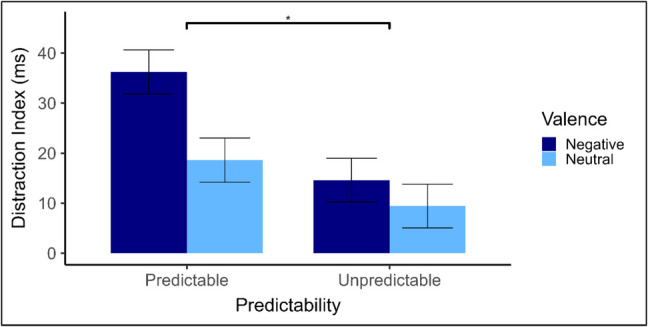 Figure 2
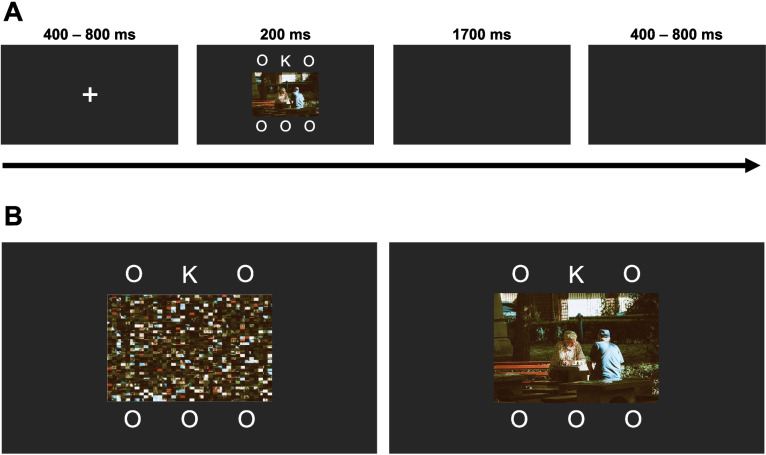 Figure 3
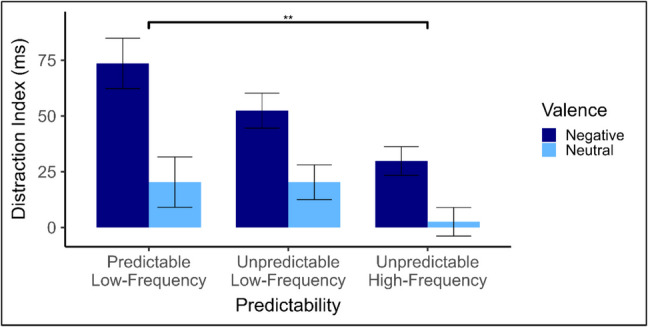 Figure 4
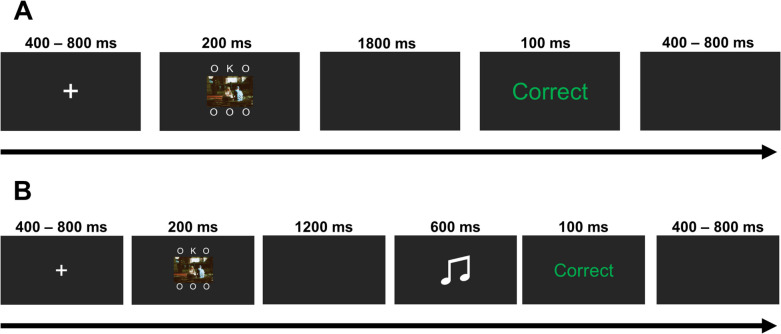 Figure 5
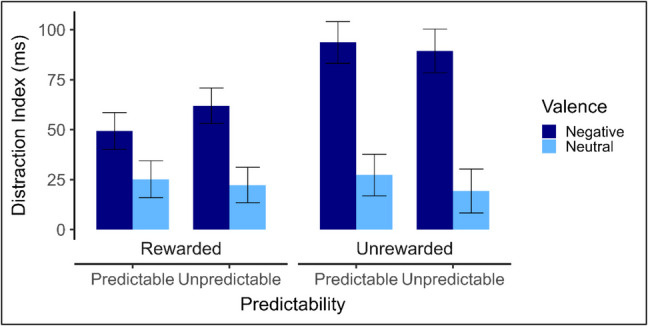 Figure 6
Peer Reviews
No public reviews on file for this paper yet. If you reviewed it on a platform where reviews are public (OpenReview, ICLR, NeurIPS, ICML), you can paste yours below so the community can read it here.
Videos
No videos yet. Explain this paper in a talk, walkthrough, or lecture? Add one.
Taxonomy
TopicsNeural and Behavioral Psychology Studies · Anxiety, Depression, Psychometrics, Treatment, Cognitive Processes · Decision-Making and Behavioral Economics