Two-Stage Gastrectomy Improves Outcomes in Perforated Gastric Cancer: A Single-Institution Retrospective Study
Hideo Kidogawa, Nobutaka Matayoshi, Takeshi Konno, Takashi Okimoto, Toshihito Uehara, Junya Noguchi, Takatomo Yamayoshi, Shin Shinyama, Satoshi Kimura, Kohji Okamoto

TL;DR
A two-stage surgical approach for perforated gastric cancer improves survival and allows for effective cancer treatment, according to a 27-year study.
Contribution
Demonstrates the safety and effectiveness of a two-stage surgical strategy for perforated gastric cancer through a long-term single-institution analysis.
Findings
Two-stage surgery achieved high R0 resection rates with low morbidity in perforated gastric cancer patients.
Delayed curative gastrectomy following initial stabilization showed promising survival outcomes in a high-risk cohort.
One complex case with peritoneal dissemination successfully underwent radical resection after chemotherapy, showing strategy adaptability.
Abstract
Background: Perforated gastric cancer (PGC) is a rare but life-threatening surgical emergency. Due to its low reported incidence and significant challenges in the preoperative diagnosis of malignancy, there is no established consensus on optimal management. Recent evidence suggests that a two-stage surgical strategy, involving initial damage control followed by delayed curative resection, may reduce morbidity and mortality while improving oncological outcomes. Preoperative diagnosis of malignancy is uncommon, and the utility of routine intraoperative biopsy has been questioned, highlighting the importance of postoperative endoscopic biopsy for definitive diagnosis. This study aims to evaluate the safety and effectiveness of a two-stage surgical strategy for PGC, emphasizing its adaptability and outcomes based on a 27-year retrospective analysis at a single institution. Methods: We…
Genes, proteins, chemicals, diseases, species, mutations and cell lines named across the full text — each resolved to its canonical identifier and authoritative record.
Click any figure to enlarge with its caption.
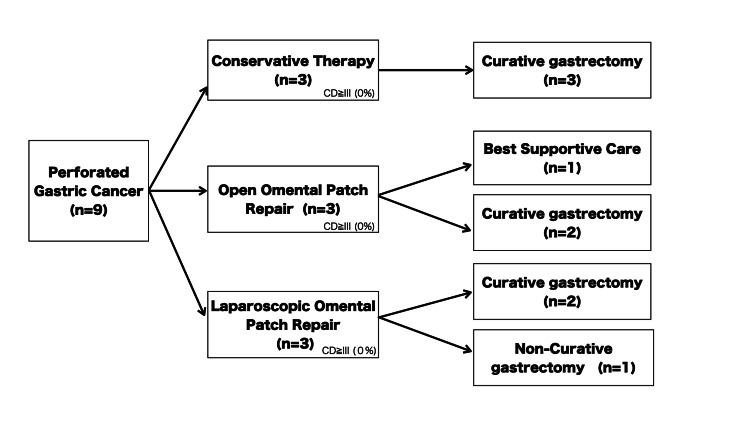 Figure 1
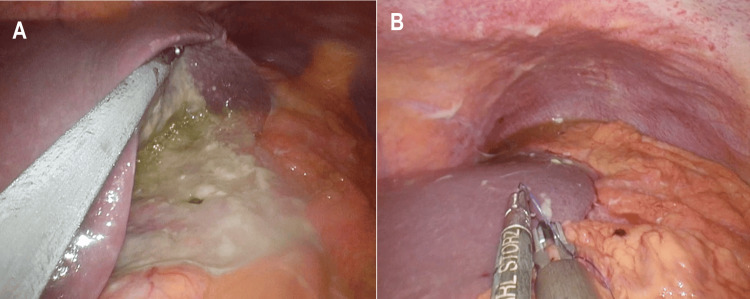 Figure 2
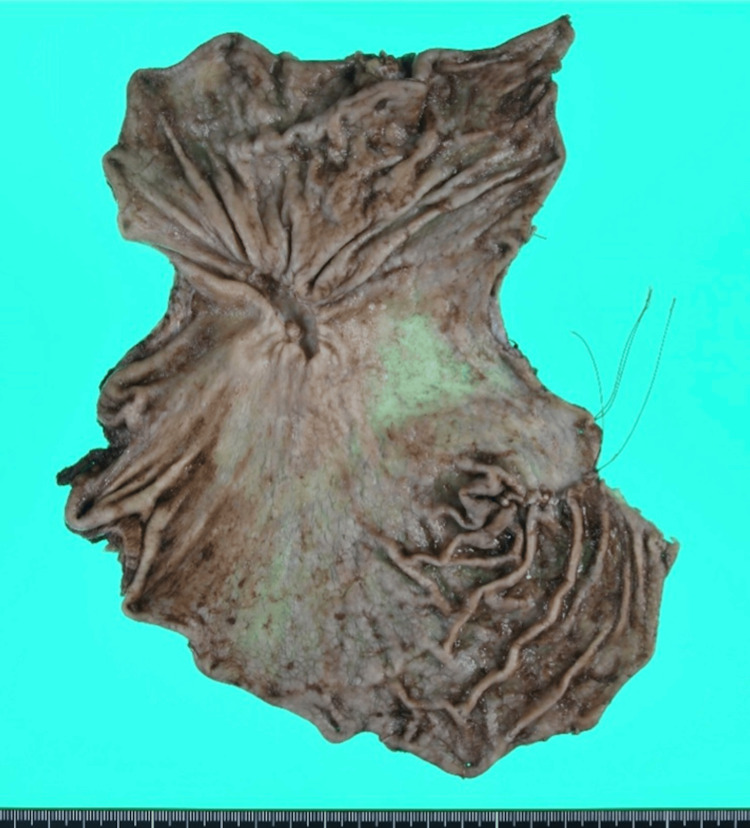 Figure 3
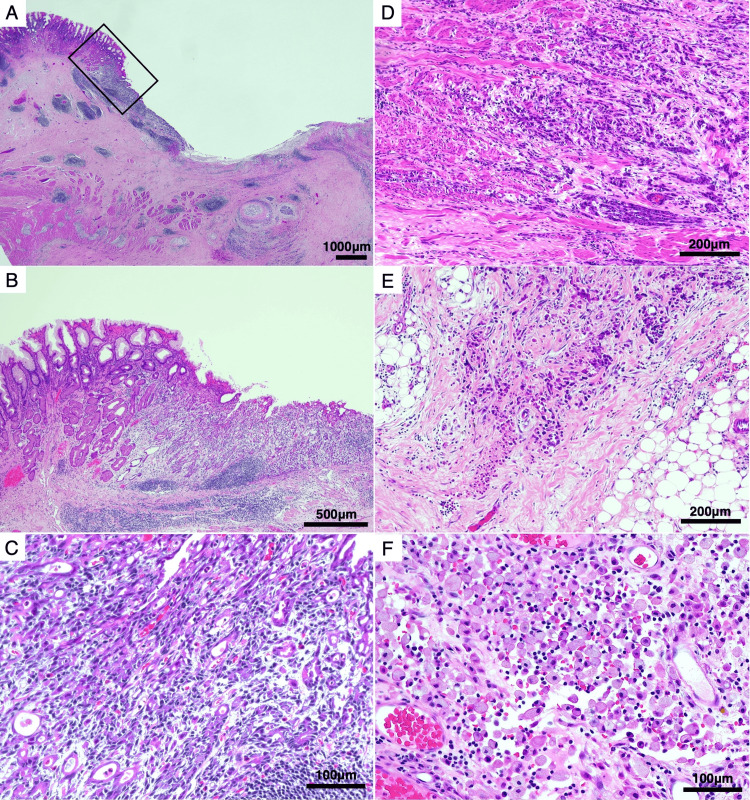 Figure 4
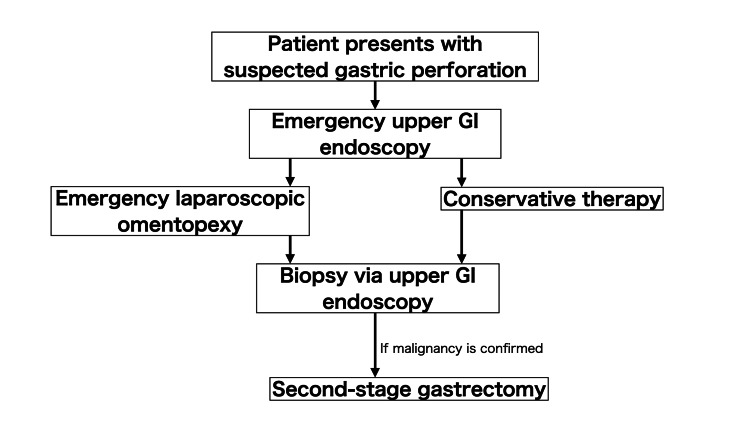 Figure 5
Peer Reviews
No public reviews on file for this paper yet. If you reviewed it on a platform where reviews are public (OpenReview, ICLR, NeurIPS, ICML), you can paste yours below so the community can read it here.
Videos
No videos yet. Explain this paper in a talk, walkthrough, or lecture? Add one.
Taxonomy
TopicsGastric Cancer Management and Outcomes · Gastrointestinal Tumor Research and Treatment · Metastasis and carcinoma case studies