Birds of a Feather Resist Together: Sociality and Species Predict the Resilience and Recovery Strategies of Two Neotropical Birds
Melissa Ardila‐Villamizar, Daniela T. Sandoval, Adriana A. Maldonado‐Chaparro

TL;DR
This study explores how two bird species in urban areas recover from disturbances, finding that social behavior and species differences influence their resilience.
Contribution
The study introduces a novel approach to understanding urban bird resilience by linking sociality and species traits to recovery strategies.
Findings
Sociality significantly enhances resilience in urban birds, with larger flocks more likely to habituate to disturbances.
Avoidance was the primary recovery strategy, but birds also used hypervigilance or waiting for disturbances to pass.
Ecological factors like urbanization level and microhabitat had no significant influence on resilience or recovery strategies.
Abstract
Behavioral resilience—the ability of animals to recover from disturbances—offers a valuable measure of how urban dwellers cope with human‐induced disturbances. In this study, we conducted behavioral trials across six study sites varying in urbanization level in Bogota, Colombia to assess the resilience and behavioral strategy that great thrushes ( Turdus fuscater ) and eared doves ( Zenaida auriculata ) employed to achieve it (i.e., recovery strategies). During the trials we measured initial escape responses (flight initiation distance or FID, and alert distance or AD), exposed individuals to a simulated disturbance (human running), and subsequently assessed whether, after the disturbance, they resumed foraging and/or changed their behavior along with their displacement to foraging patches. We also examined the influence of ecological factors such as distance to escape cover,…
Genes, proteins, chemicals, diseases, species, mutations and cell lines named across the full text — each resolved to its canonical identifier and authoritative record.
Click any figure to enlarge with its caption.
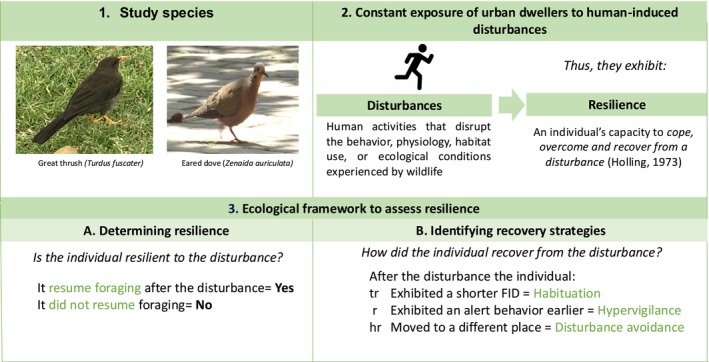 Figure 1
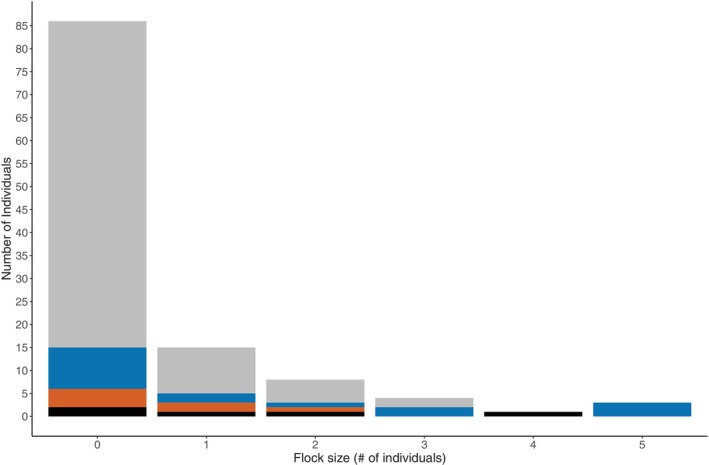 Figure 2
 Figure 3
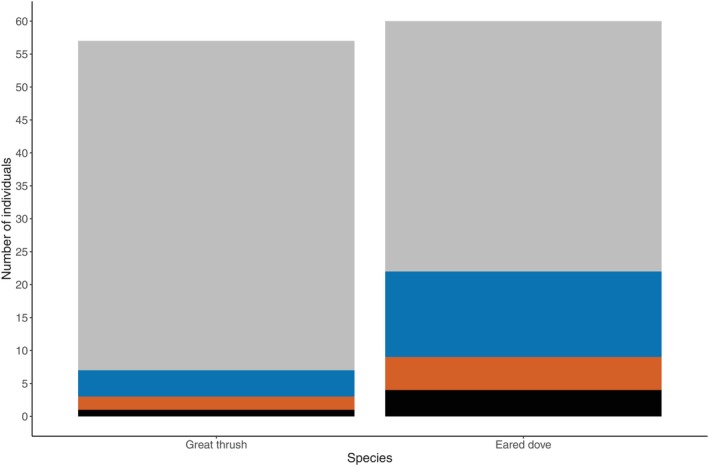 Figure 4
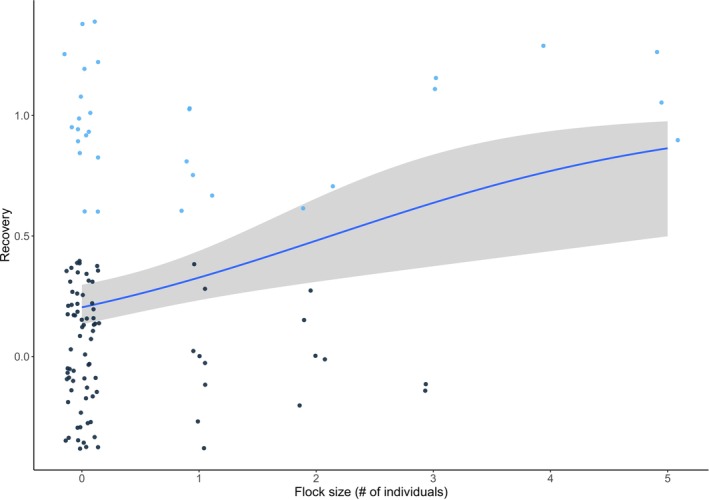 Figure 5
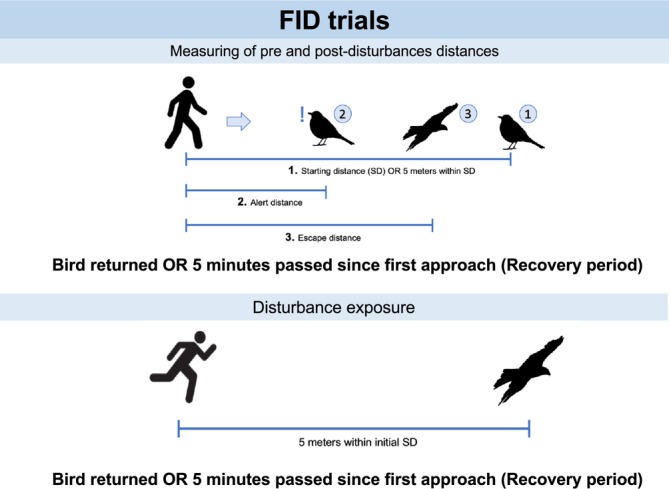 Figure 6
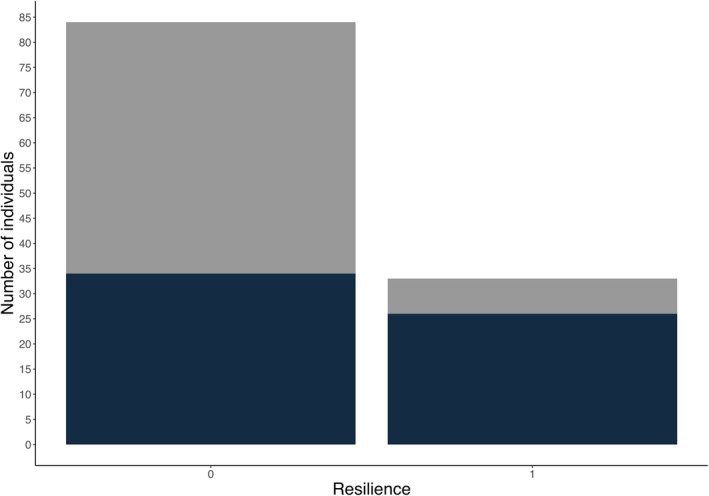 Figure 7
Peer Reviews
No public reviews on file for this paper yet. If you reviewed it on a platform where reviews are public (OpenReview, ICLR, NeurIPS, ICML), you can paste yours below so the community can read it here.
Videos
No videos yet. Explain this paper in a talk, walkthrough, or lecture? Add one.
Taxonomy
TopicsAnimal Behavior and Reproduction · Wildlife Ecology and Conservation · Ecology and Vegetation Dynamics Studies