Structural Development of Speech Networks in Young Children: A Cross-Sectional Study
Marilyn Curtis, Mohammadreza Bayat, Dea Garic, Alliete R. Alfano, Melissa Hernandez, Madeline Curzon, Andrea Bejarano, Pascale Tremblay, Shannon Marie Pruden, Paulo Graziano, Anthony Steven Dick

TL;DR
This study explores how speech-related brain structures develop in young children by analyzing diffusion MRI data and speech performance.
Contribution
The study identifies specific brain regions and pathways linked to speech performance in children, including age-related moderation effects.
Findings
SRT performance was associated with restricted diffusion in multiple brain regions, including the inferior frontal gyrus and cerebellar gray matter.
Age moderated the relationship between speech performance and diffusion metrics in the left pars opercularis and frontal aslant tract.
AFQ analysis revealed tract profile differences in high and low performing children, particularly in the FAT and cerebellar peduncles.
Abstract
To investigate speech in the developing brain, 94 children aged 4 to 7 years old were scanned using diffusion weighted imaging (DWI) magnetic resonance imaging. To increase sample size and performance variability, we included children with ADHD from a larger ongoing study (n = 47). Each child completed the Syllable Repetition Task (SRT), a validated measure of phoneme articulation. DWI data were modeled using restriction spectrum imaging to measure restricted and hindered diffusion properties in gray and white matter. We analyzed the diffusion data using whole brain analysis and automated fiber quantification (AFQ) analysis to establish tract profiles for the six fiber pathways thought to be important for supporting speech development. In the whole brain analysis, we found that SRT performance was associated with restricted diffusion in left and right inferior frontal gyrus, left and…
Genes, proteins, chemicals, diseases, species, mutations and cell lines named across the full text — each resolved to its canonical identifier and authoritative record.
Click any figure to enlarge with its caption.
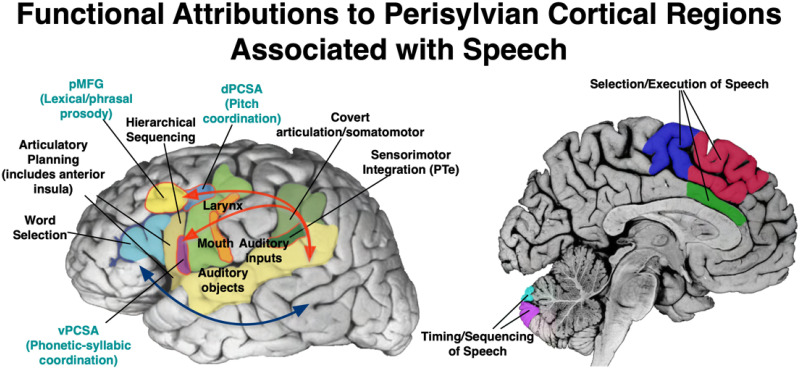 Figure 1
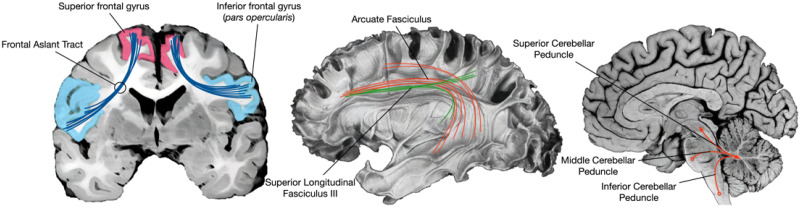 Figure 2
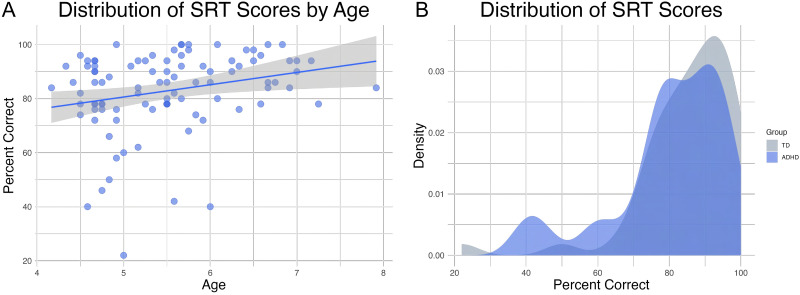 Figure 3
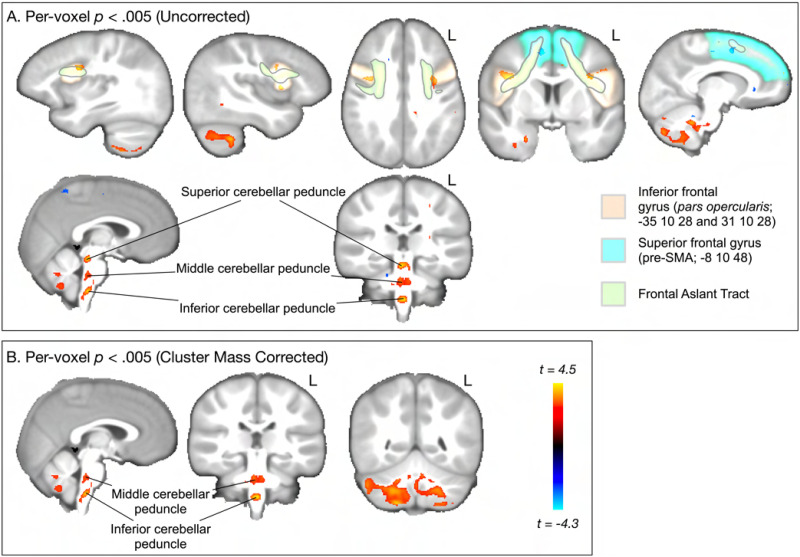 Figure 4
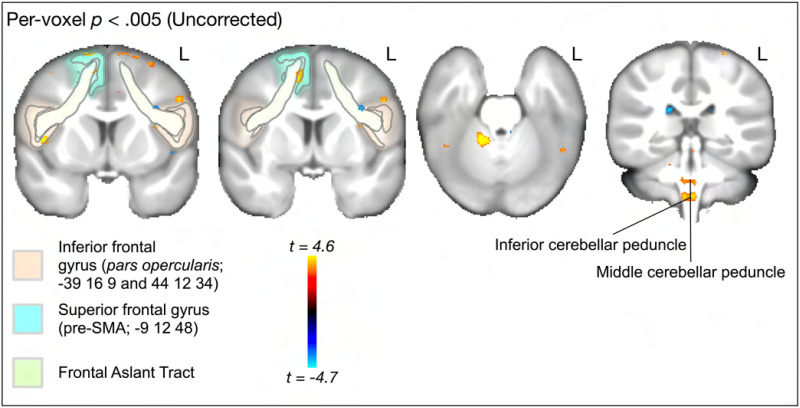 Figure 5
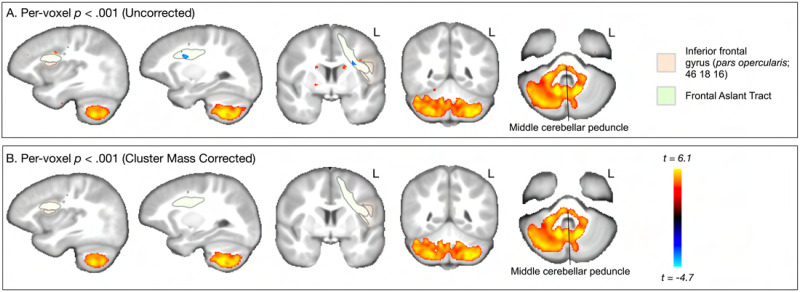 Figure 6
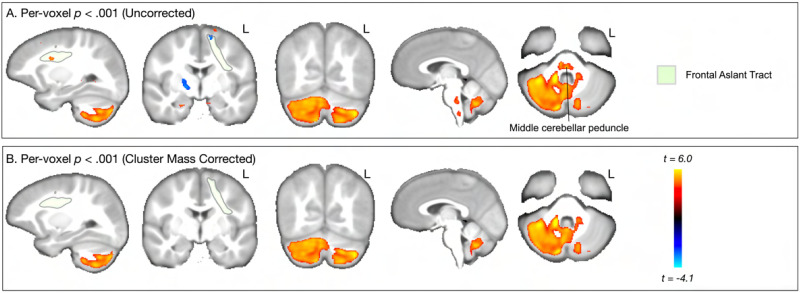 Figure 7
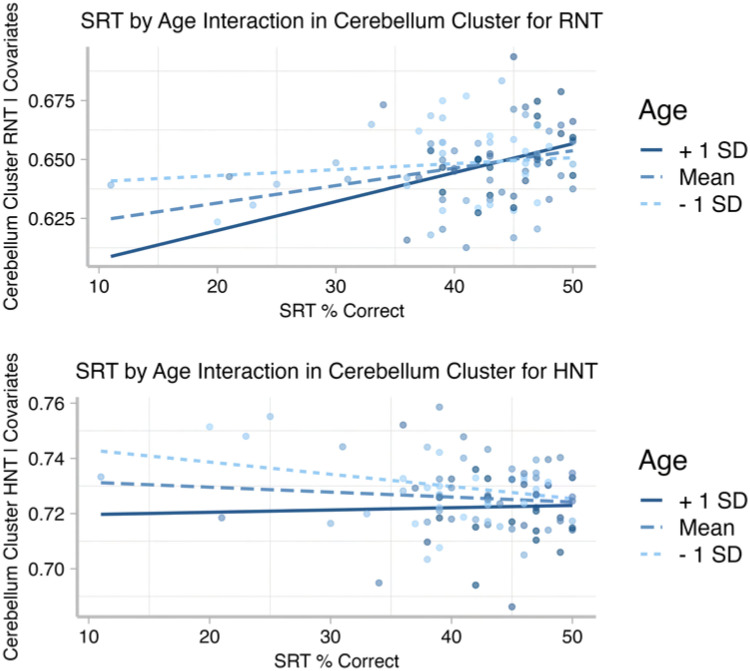 Figure 8
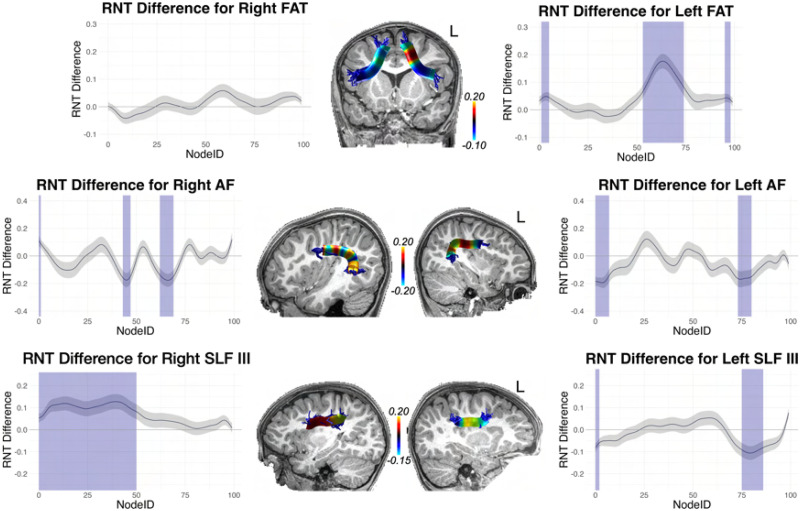 Figure 9
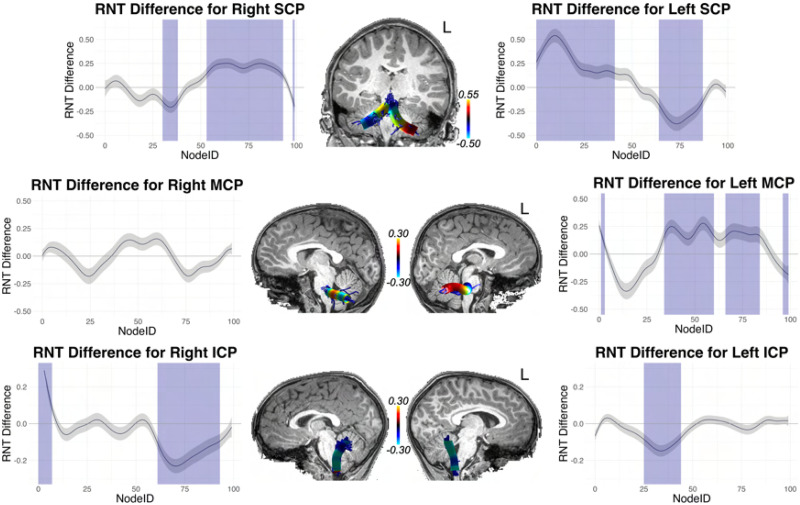 Figure 10
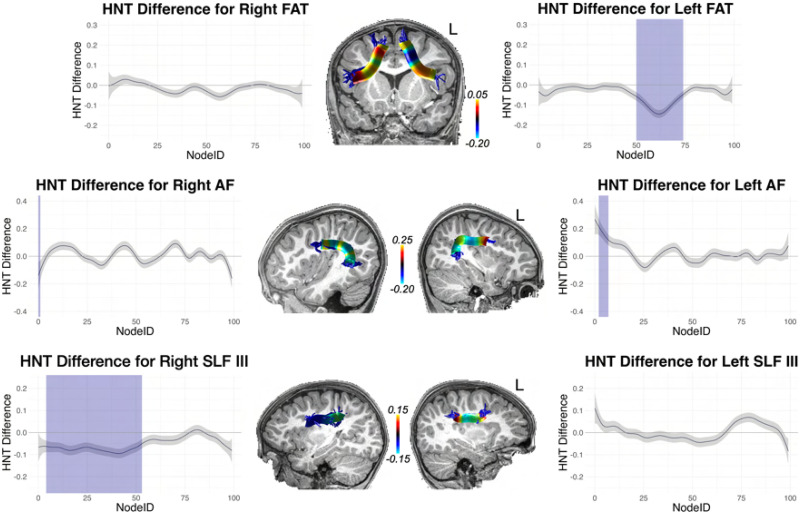 Figure 11
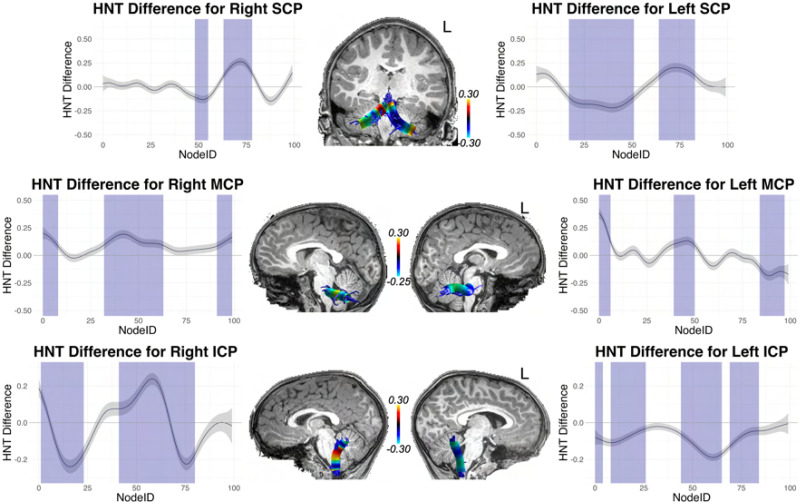 Figure 12
Peer Reviews
No public reviews on file for this paper yet. If you reviewed it on a platform where reviews are public (OpenReview, ICLR, NeurIPS, ICML), you can paste yours below so the community can read it here.
Videos
No videos yet. Explain this paper in a talk, walkthrough, or lecture? Add one.
Taxonomy
TopicsLanguage Development and Disorders