Myxopapillary Ependymoma: A Case Report
Shervin Arjomand, James Park, Chul Chae

TL;DR
This case report describes a rare spinal tumor called myxopapillary ependymoma in a 48-year-old man, including its diagnosis, treatment, and characteristics.
Contribution
The novelty lies in presenting a detailed case report with a comprehensive review of MPE, including imaging and treatment insights.
Findings
The patient presented with lower back pain and urinary incontinence, leading to diagnosis of WHO grade II MPE.
Imaging studies were crucial in identifying the intradural mass and guiding surgical intervention.
The report reviews MPE's histopathology, treatment options, and prognosis based on current literature.
Abstract
Myxopapillary ependymoma (MPE) is a rare, slow-growing glial tumor classically arising from the filum terminale. Imaging studies play a crucial role in identifying this intradural mass, guiding the diagnostic and surgical approach. This case report details the clinical presentation, diagnosis, and treatment of a 48-year-old male presenting with lower back pain and urinary incontinence who was diagnosed with WHO grade II MPE. This study includes a comprehensive review of MPE, its imaging characteristics, histopathology, treatment options, and prognosis.
Genes, proteins, chemicals, diseases, species, mutations and cell lines named across the full text — each resolved to its canonical identifier and authoritative record.
Click any figure to enlarge with its caption.
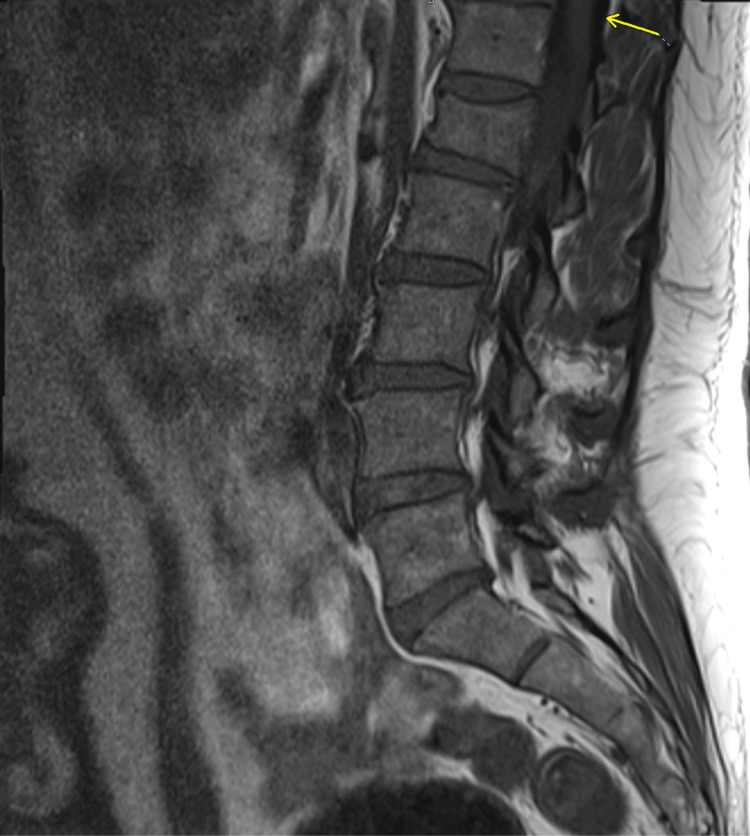 Figure 1
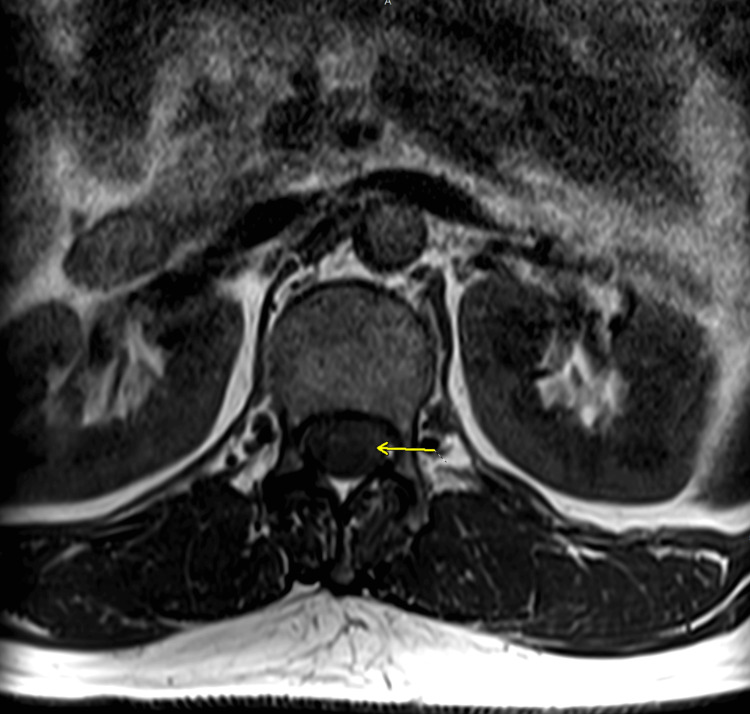 Figure 2
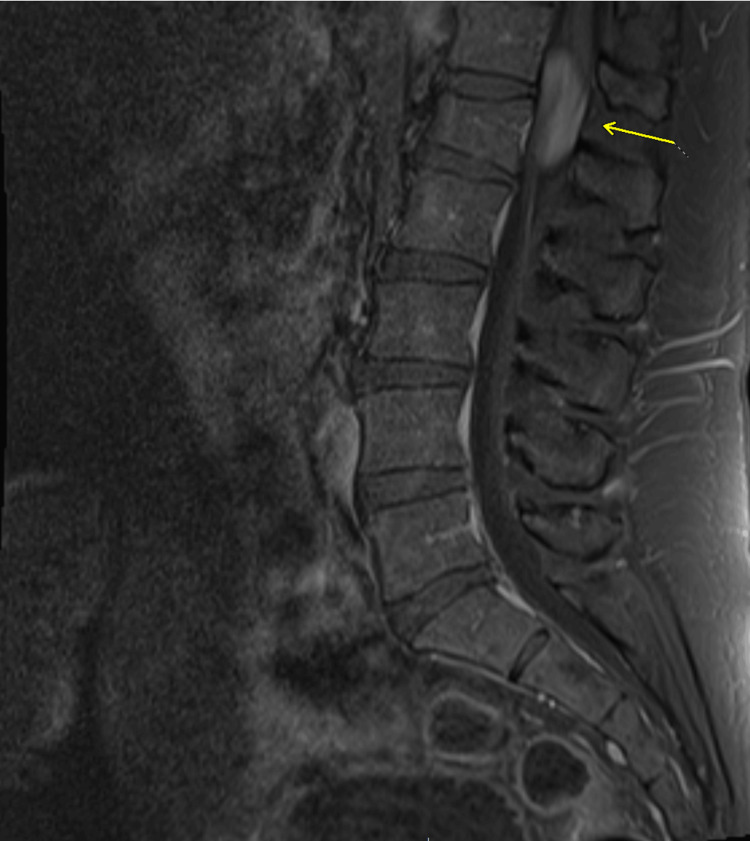 Figure 3
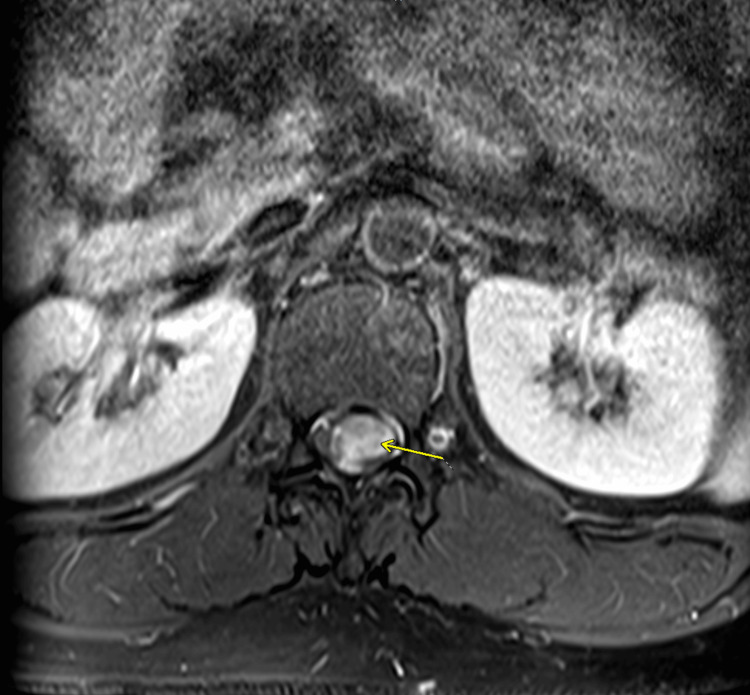 Figure 4
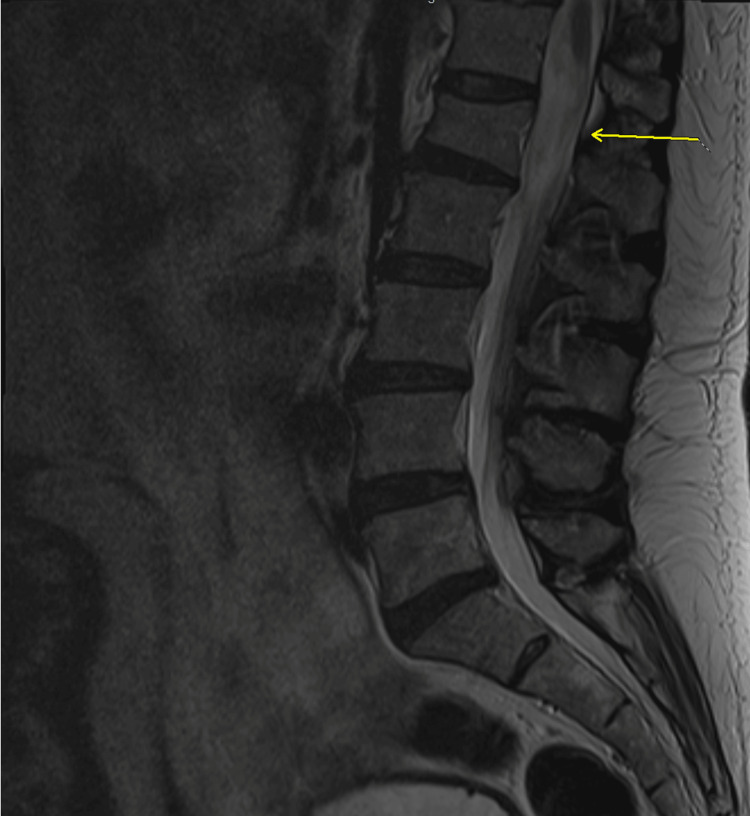 Figure 5
Peer Reviews
No public reviews on file for this paper yet. If you reviewed it on a platform where reviews are public (OpenReview, ICLR, NeurIPS, ICML), you can paste yours below so the community can read it here.
Videos
No videos yet. Explain this paper in a talk, walkthrough, or lecture? Add one.
Taxonomy
TopicsGlioma Diagnosis and Treatment · Vascular Malformations Diagnosis and Treatment · Multiple Myeloma Research and Treatments