Risk Factors of Correction Loss After Percutaneous Reduction and Fixation for Thoracolumbar Burst Fracture: A One-Year Follow-Up Study
Masato Tanaka, Aditya Thakur, Muhamad A Rahman, Akshay Fuse, Shinya Arataki, Tadashi Komatsubara, Akiyoshi Miyamoto, Masakazu Nagamatsu, Tomoyoshi Sakaguchi

TL;DR
This study identifies preoperative vertebral wedge angle as a risk factor for correction loss after spinal surgery for thoracolumbar burst fractures.
Contribution
The study identifies preoperative vertebral wedge angle as a novel risk factor for correction loss after percutaneous spinal fixation.
Findings
A larger preoperative vertebral wedge angle was significantly associated with correction loss.
Postoperative vertebral wedge angle improvement was not maintained in patients with correction loss.
Factors like BMI, osteoporosis, and surgical time did not significantly affect correction loss.
Abstract
Study design and purpose: This is a single-center retrospective observational study. The study aimed to find out the risk factors for correction loss after percutaneous reduction and fixation for thoracolumbar burst fractures. Materials and methods: This study included 25 patients who underwent percutaneous reduction and pedicle fixation for thoracolumbar burst fractures from 2017 to 2024. Radiographic assessments were performed to identify vertebral wedge and focal kyphosis angles pre-operatively, post-operatively, and at one-year follow-up for all patients. Then, patients were divided into two groups: no correction loss (Group NCL), which had <5 degrees of correction loss, and correction loss (Group CL), which had 5 and >5 degrees of correction loss at one-year follow-up. Between the two groups, radiological parameters, BMI, osteoporosis, long/short construct, surgical time,…
Genes, proteins, chemicals, diseases, species, mutations and cell lines named across the full text — each resolved to its canonical identifier and authoritative record.
Click any figure to enlarge with its caption.
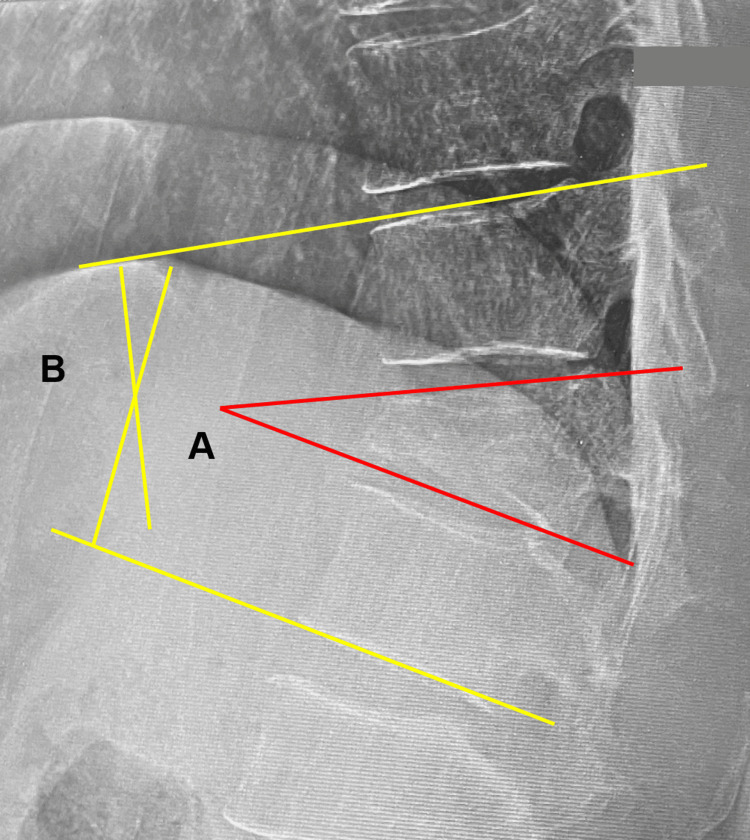 Figure 1
 Figure 2
 Figure 3
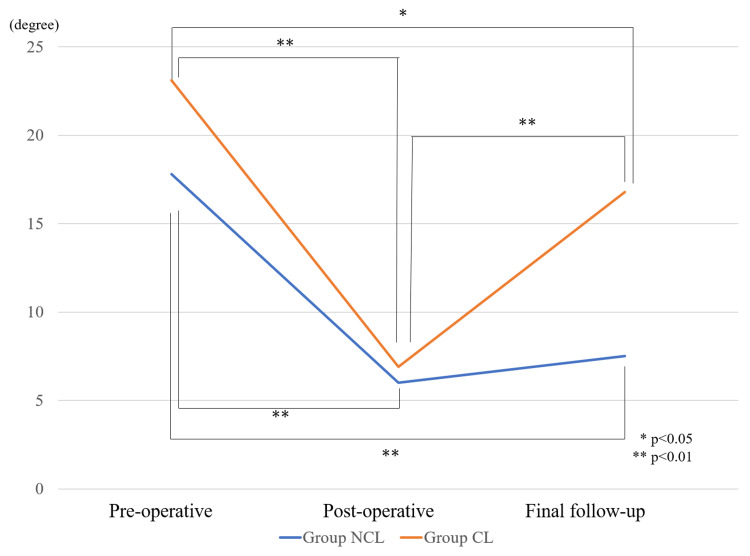 Figure 4
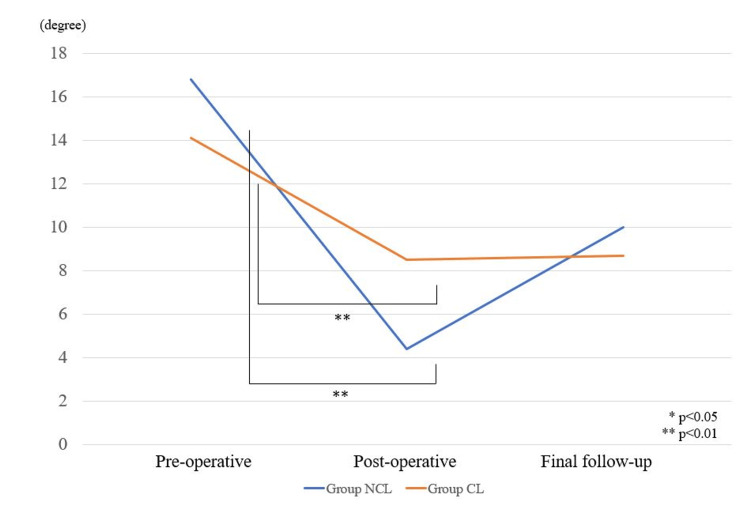 Figure 5
Peer Reviews
No public reviews on file for this paper yet. If you reviewed it on a platform where reviews are public (OpenReview, ICLR, NeurIPS, ICML), you can paste yours below so the community can read it here.
Videos
No videos yet. Explain this paper in a talk, walkthrough, or lecture? Add one.
Taxonomy
TopicsSpinal Fractures and Fixation Techniques · Trauma Management and Diagnosis · Hip and Femur Fractures