High-resolution analysis of red deer (Cervus elaphus) management units in a Central European region of high human population density reveals severe effects on genetic diversity and differentiation
Julian Laumeier, Corinna Klein, Hermann Willems, Gerald Reiner

TL;DR
This study shows that high human population density in Germany severely impacts red deer genetic diversity and connectivity, with some areas being highly isolated.
Contribution
The study provides high-resolution genetic data on red deer management units in a densely populated region, enabling targeted wildlife management.
Findings
30% of the AMUs were highly isolated with effective population sizes (Ne) < 100.
47.5% of the AMUs showed clear connectivity and could be grouped into 4 larger regions.
Isolated areas had low genetic diversity and high homozygosity.
Abstract
The threat of isolation to red deer (Cervus elaphus) has been described in numerous European studies. The consequences range from reduced genetic diversity and increased inbreeding to inbreeding depression. It has been shown that the underlying factors cannot be generalised, but vary greatly in their effects depending on local conditions. The aim of this study was to analyse in detail the genetics of red deer in a large German federal state with a population density of 532 inhabitants per km2 and 23.8% settlement and traffic area, in order to generate data for future management of the region. 1199 individual samples of red deer were collected in all 20 Administrative Management Units (AMUs) and compared with existing results from the neighbouring state of Hesse (19 AMUs). All 2490 individuals from both states were clustered using Bayesian methods and connectivity between neighbouring…
Genes, proteins, chemicals, diseases, species, mutations and cell lines named across the full text — each resolved to its canonical identifier and authoritative record.
Click any figure to enlarge with its caption.
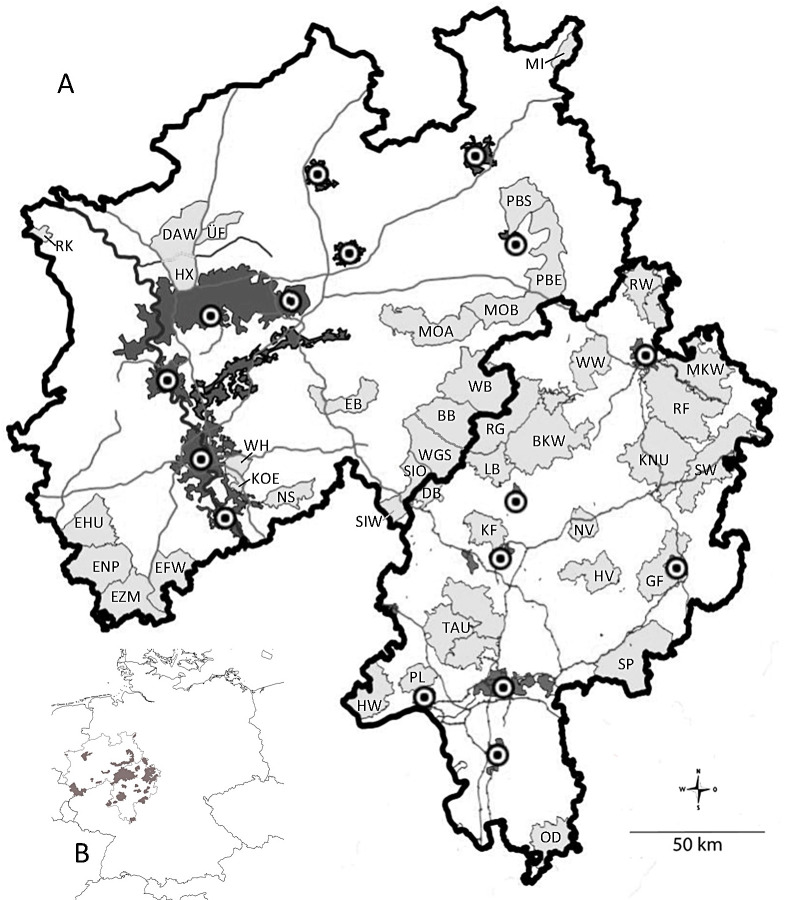 Figure 1
 Figure 2
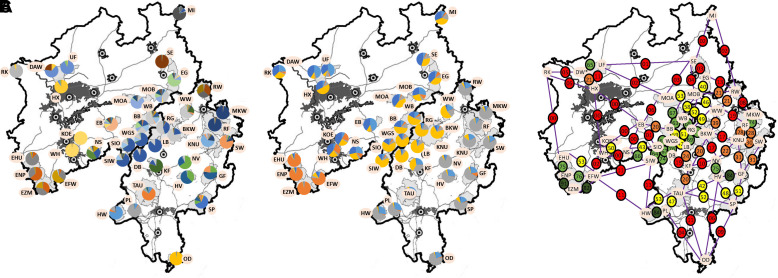 Figure 3
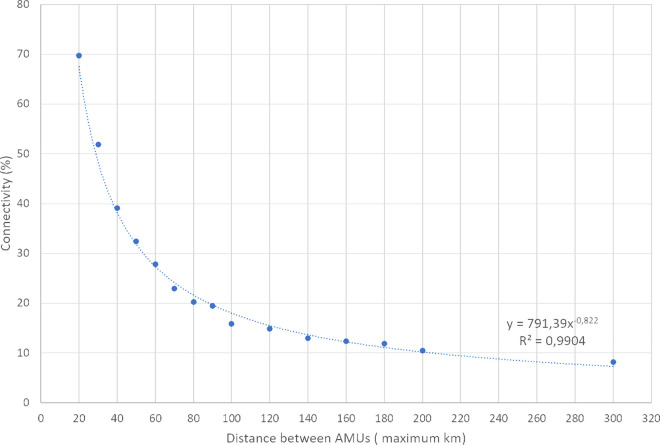 Figure 4
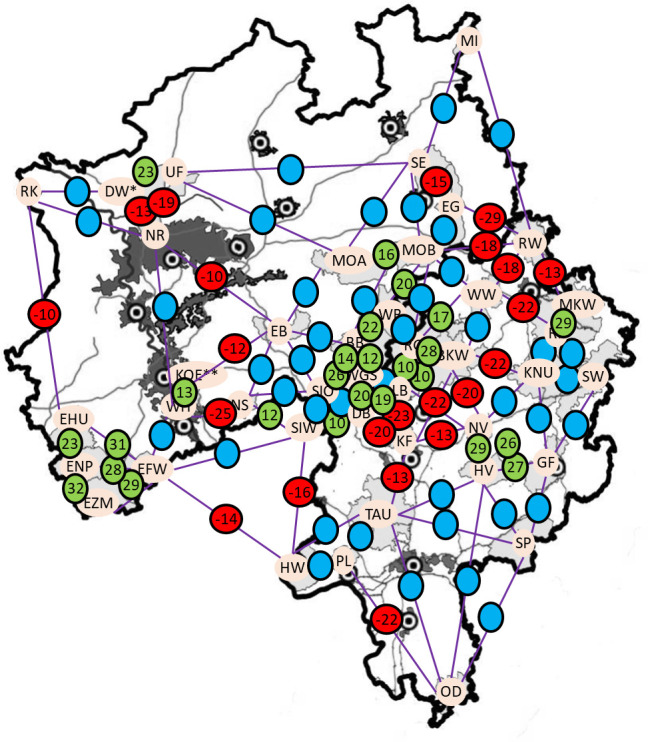 Figure 5
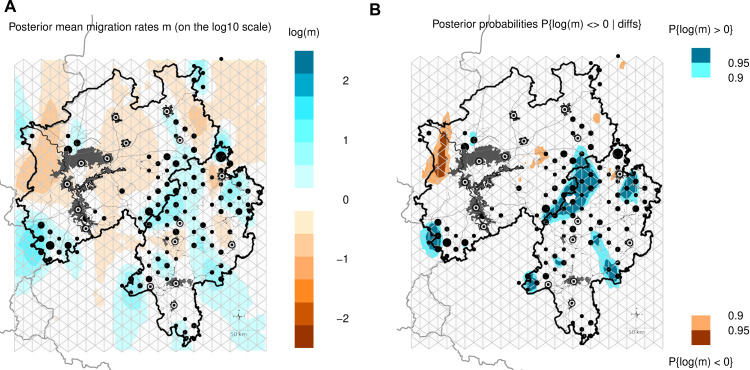 Figure 6
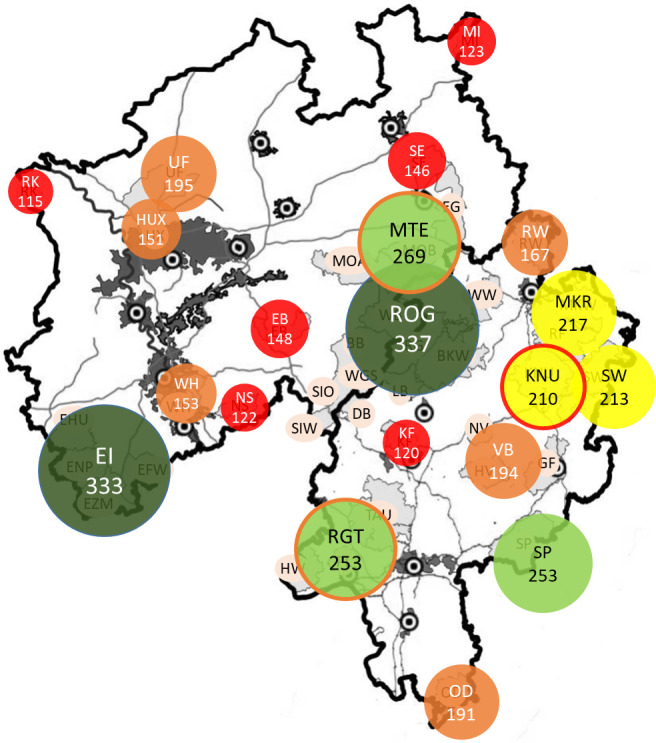 Figure 7
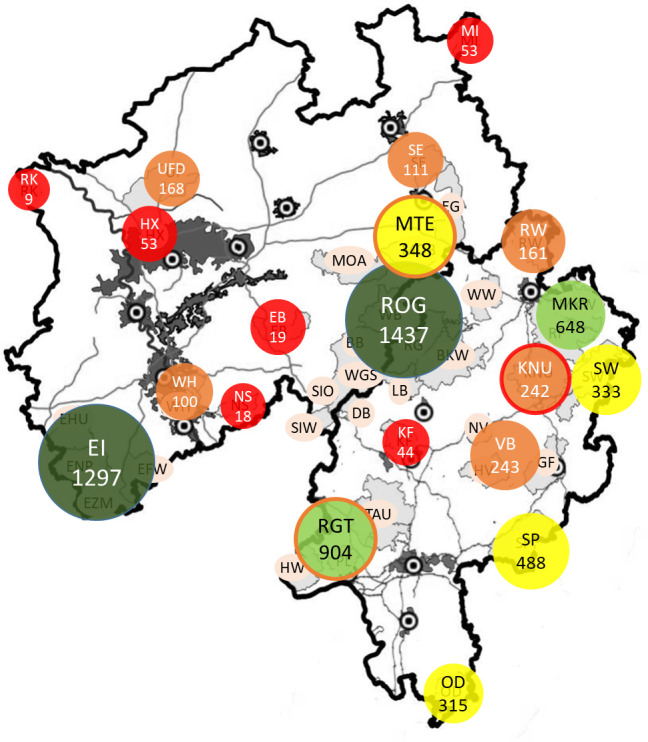 Figure 8
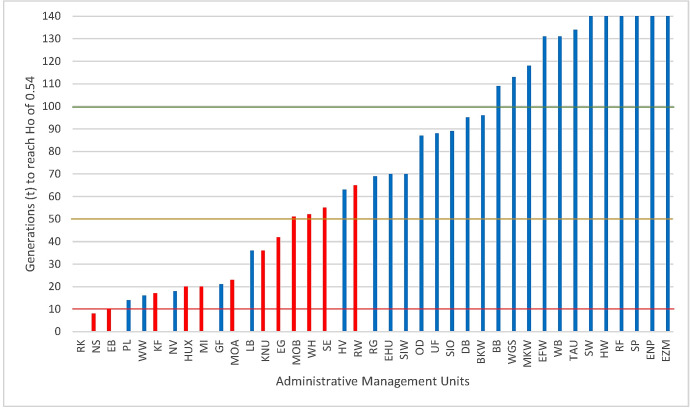 Figure 9
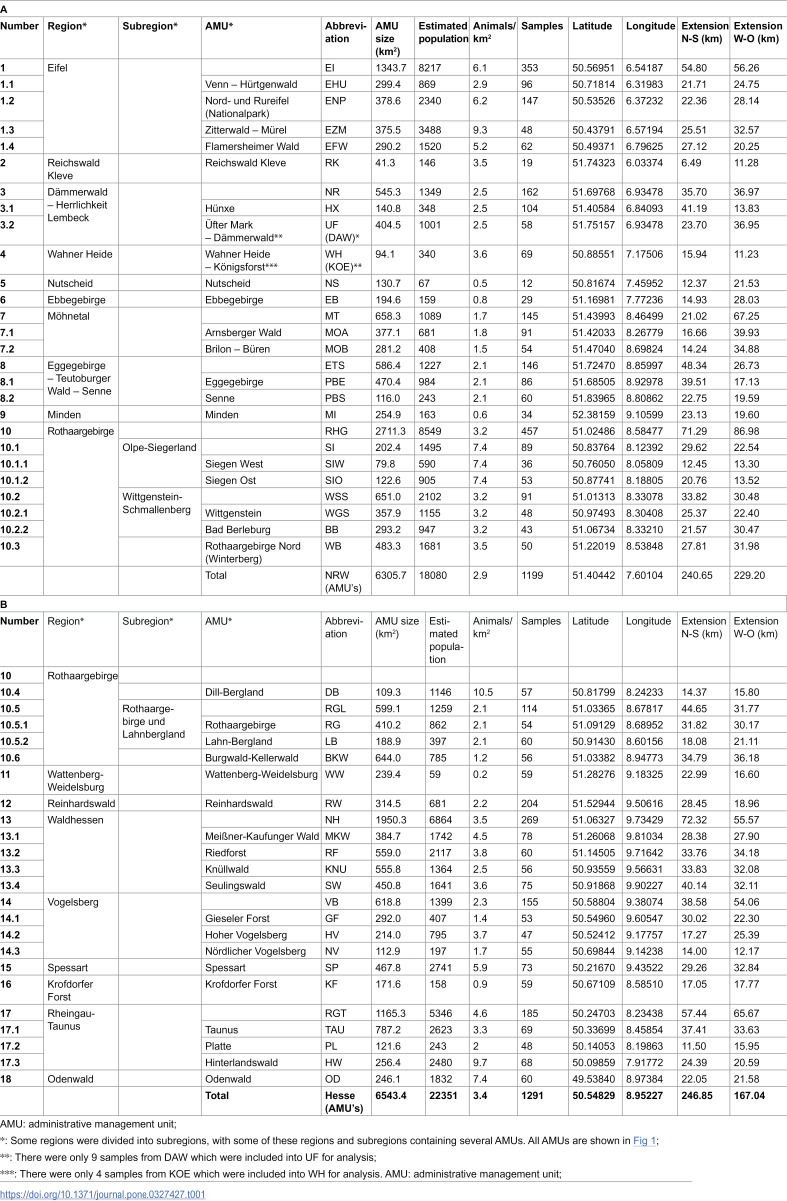 Figure 10
 Figure 11
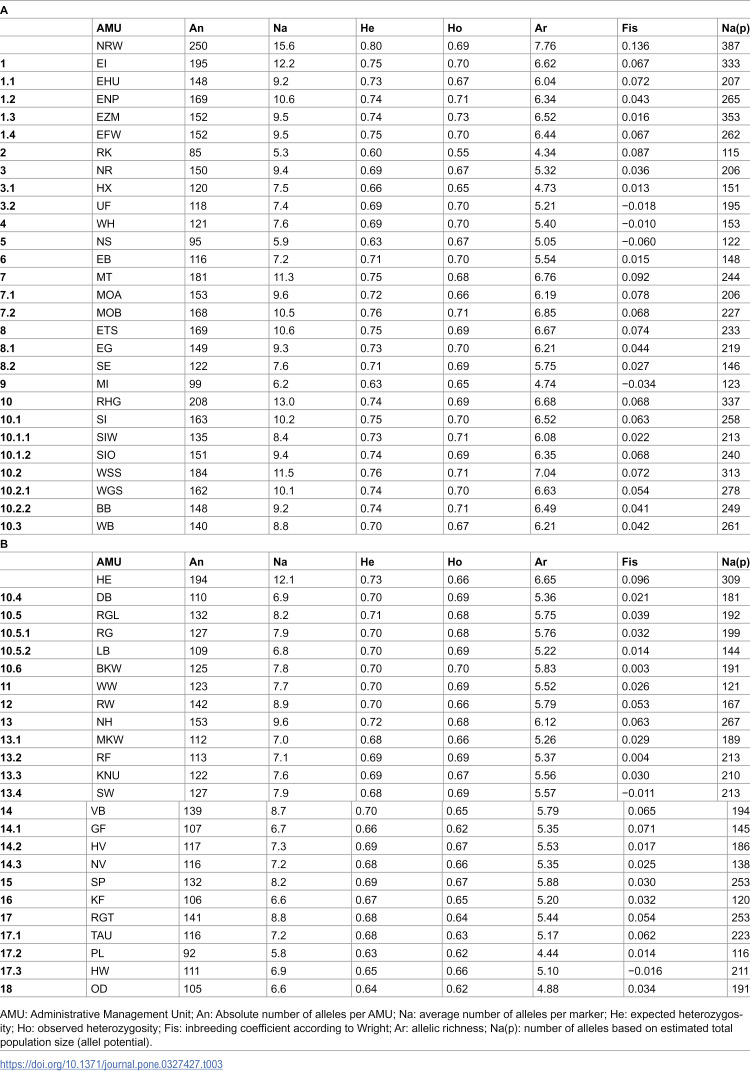 Figure 12
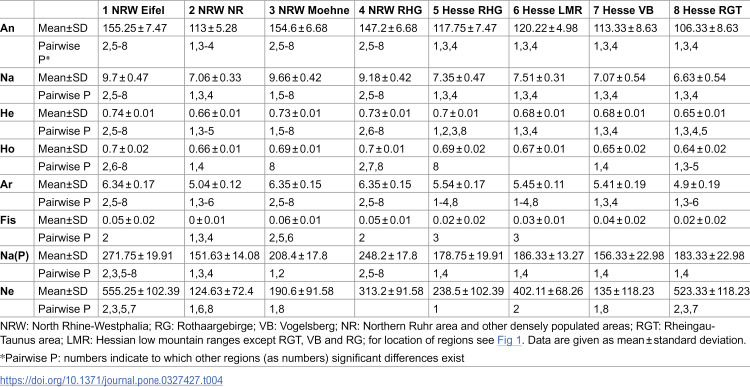 Figure 13
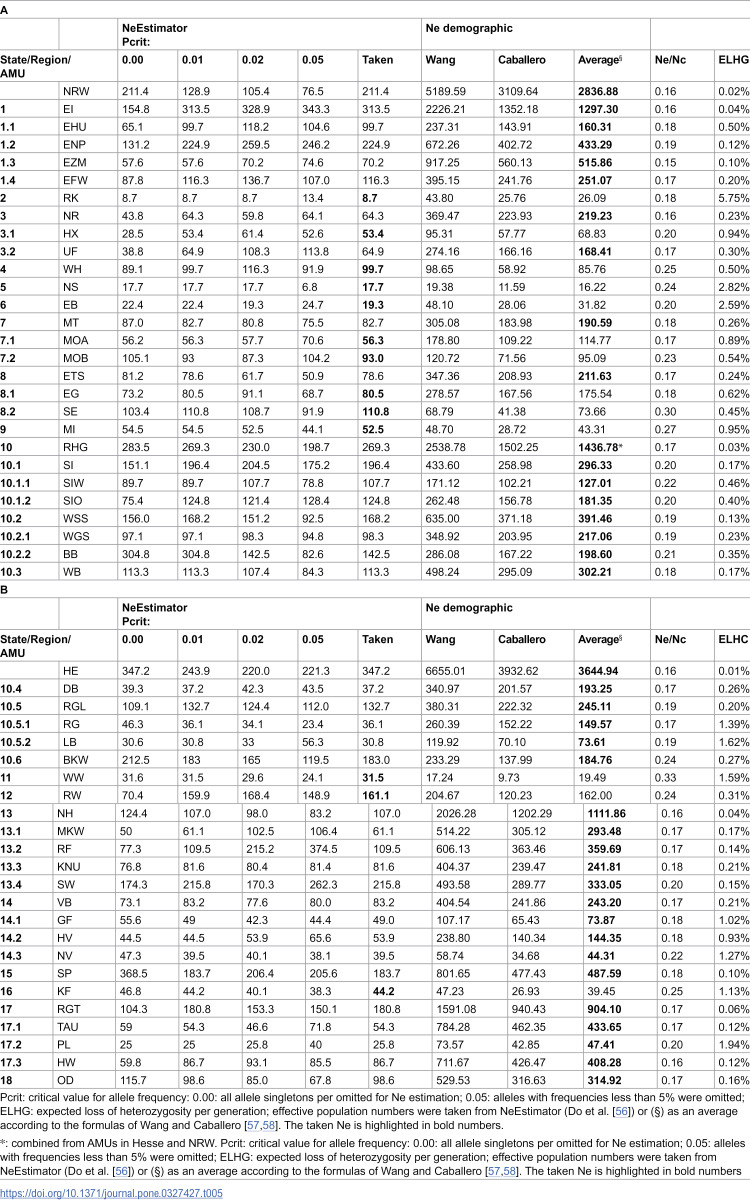 Figure 14
Peer Reviews
No public reviews on file for this paper yet. If you reviewed it on a platform where reviews are public (OpenReview, ICLR, NeurIPS, ICML), you can paste yours below so the community can read it here.
Videos
No videos yet. Explain this paper in a talk, walkthrough, or lecture? Add one.
Taxonomy
TopicsWildlife Ecology and Conservation · Genetic diversity and population structure · Plant and animal studies