Precise spike-timing information in the brainstem is well aligned with the needs of communication and the perception of environmental sounds
Chris Scholes, Stephen Coombes, Alan R. Palmer, William S. Rhode, Rob Mill, Christian J. Sumner

TL;DR
The brainstem uses precise spike timing to accurately represent slow sound fluctuations important for communication and sound perception.
Contribution
The study reveals overlooked spike-timing intricacies that reconcile brainstem processing with perceptual needs.
Findings
Most neurons encode a wide range of envelope frequencies, accurately representing slow fluctuations.
Temporally complex spike patterns enhance envelope coding in some neurons.
Spike-time encoding becomes robust to sound level in small neuron populations.
Abstract
The dynamic fluctuations in the amplitude of sound, known as sound envelopes, are ubiquitous in natural sounds and convey information critical for the recognition of speech, and of sounds generally. We are perceptually most sensitive to slow modulations which are most common. However, previous studies of envelope coding in the brainstem found an under-representation of these slow, low-frequency, modulations. Specifically, the synchronization of spike times to the envelope was enhanced in some neuron types, forming channels specialized for envelope processing but tuned to a restricted range of fast, high-frequency, envelopes (200–500 Hz). Here, we show using a historical dataset from cats that previous analyses, which made strong assumptions about the neural code, underestimated the encoding of low-frequency envelopes. While some neurons encode envelope better than others, most encode a…
Genes, proteins, chemicals, diseases, species, mutations and cell lines named across the full text — each resolved to its canonical identifier and authoritative record.
Click any figure to enlarge with its caption.
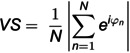 Figure 1
 Figure 2
 Figure 3
 Figure 4
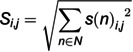 Figure 5
 Figure 6
 Figure 7
 Figure 8
 Figure 9
 Figure 10
 Figure 11
 Figure 12
 Figure 13
 Figure 14
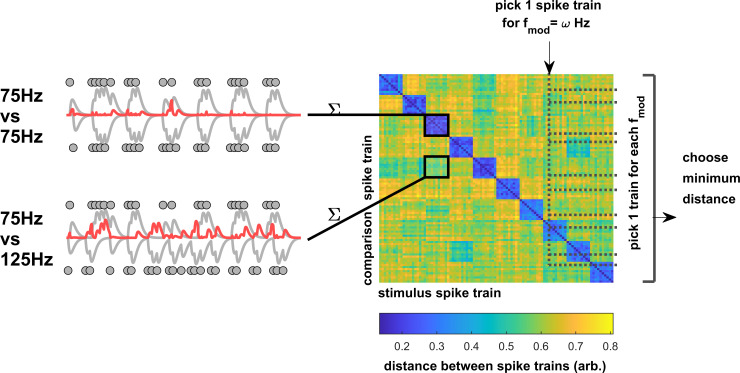 Figure 15
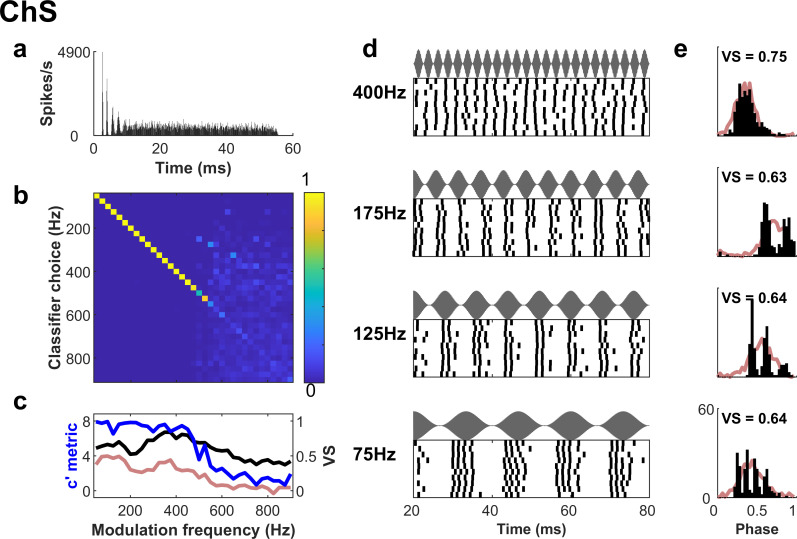 Figure 16
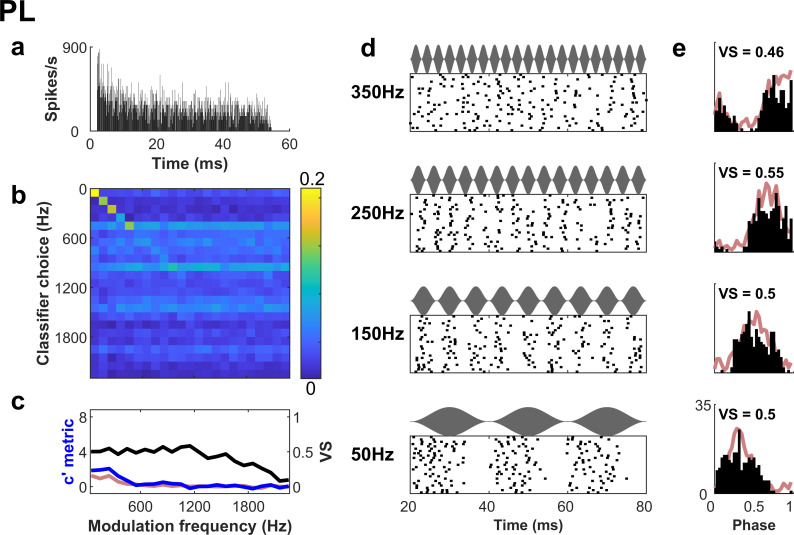 Figure 17
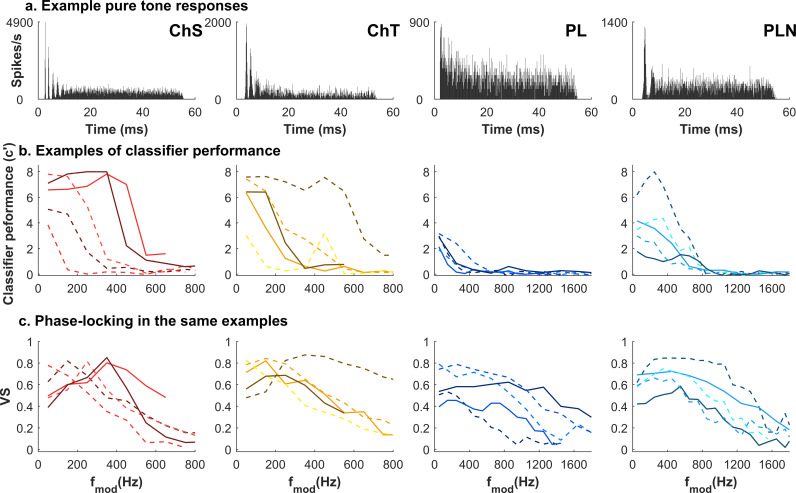 Figure 18
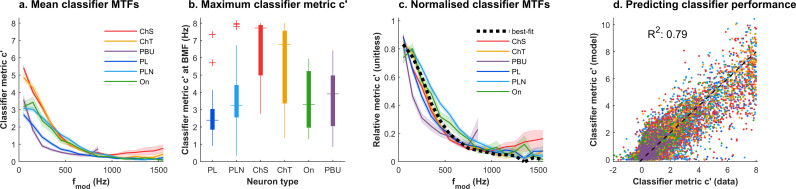 Figure 19
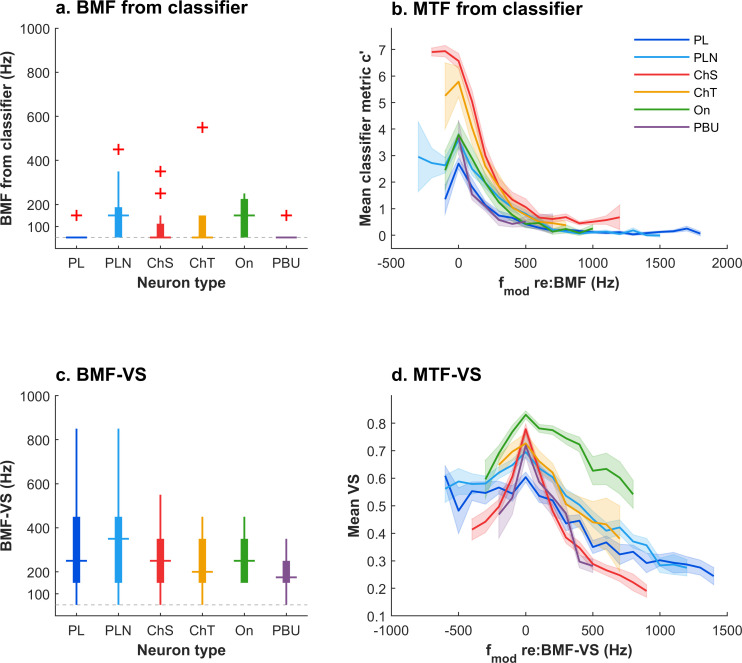 Figure 20
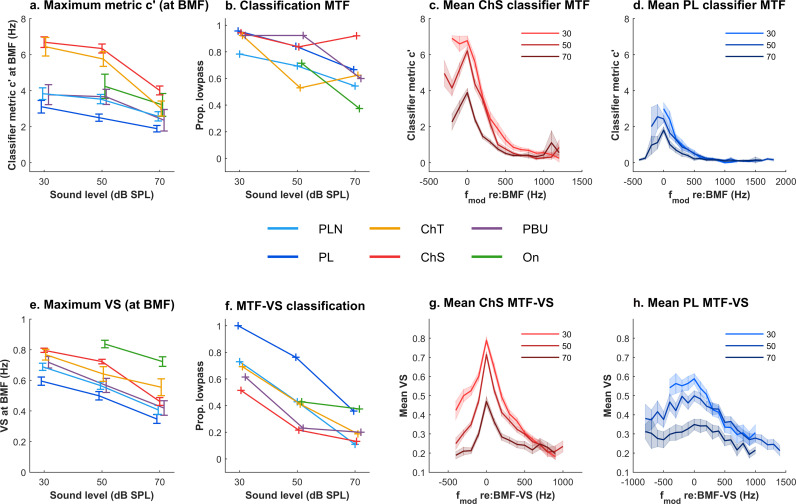 Figure 21
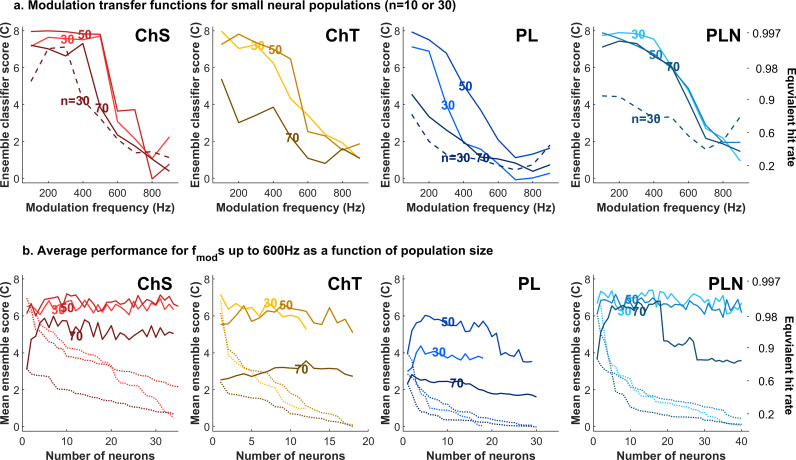 Figure 22
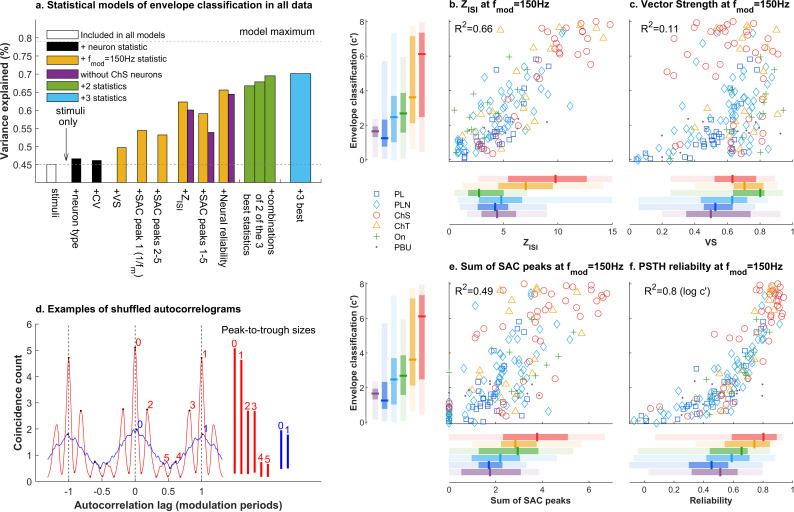 Figure 23
Peer Reviews
No public reviews on file for this paper yet. If you reviewed it on a platform where reviews are public (OpenReview, ICLR, NeurIPS, ICML), you can paste yours below so the community can read it here.
Videos
No videos yet. Explain this paper in a talk, walkthrough, or lecture? Add one.
Taxonomy
TopicsHearing Loss and Rehabilitation · Hearing, Cochlea, Tinnitus, Genetics · Neural dynamics and brain function