Machine learning application to predict binding affinity between peptide containing non-canonical amino acids and HLA-A0201
Shan Jiang, Zhaoqian Su, Nathaniel Bloodworth, Yunchao Liu, Cristina E. Martina, David G. Harrison, Jens Meiler

TL;DR
This paper introduces a machine learning tool to predict how well peptides with non-standard amino acids bind to MHC-Ι proteins, which is important for immune response and drug design.
Contribution
The paper presents a novel machine learning model for predicting MHC-Ι binding affinity of peptides with non-canonical amino acids.
Findings
The model achieved an R2 value of 0.477 and RMSE of 0.735 in 5-fold cross-validation.
It outperforms existing tools for peptides with non-canonical amino acids.
The model can aid in designing more effective peptide-based therapeutics.
Abstract
Class Ι major histocompatibility complexes (MHC-Ι), encoded by the highly polymorphic HLA-A, HLA-B, and HLA-C genes in humans, are expressed on all nucleated cells. Both self and foreign proteins are processed to peptides of 8–10 amino acids, loaded into MHC-Ι, within the endoplasmic reticulum and then presented on the cell surface. Foreign peptides presented in this fashion activate CD8 + T cells and their immunogenicity correlates with their affinity for the MHC-Ι binding groove. Thus, predicting antigen binding affinity for MHC-Ι is a valuable tool for identifying potentially immunogenic antigens. While quite a few predictors for MHC-Ι binding exist, there are no currently available tools that can predict antigen/MHC-Ι binding affinity for antigens with explicitly labeled post-translational modifications or unusual/non-canonical amino acids (NCAAs). However, such modifications are…
Genes, proteins, chemicals, diseases, species, mutations and cell lines named across the full text — each resolved to its canonical identifier and authoritative record.
Click any figure to enlarge with its caption.
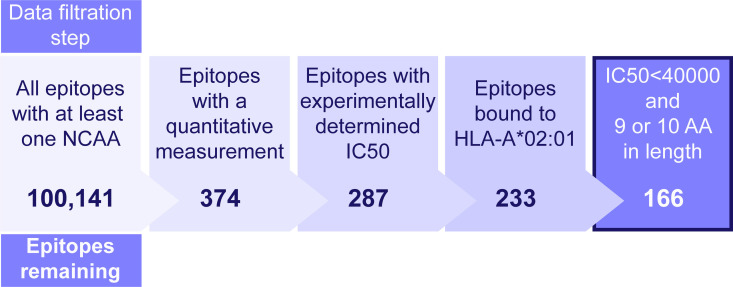 Figure 1
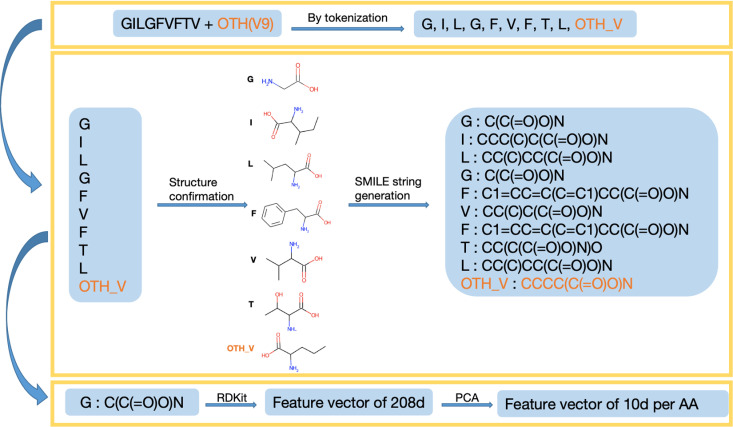 Figure 2
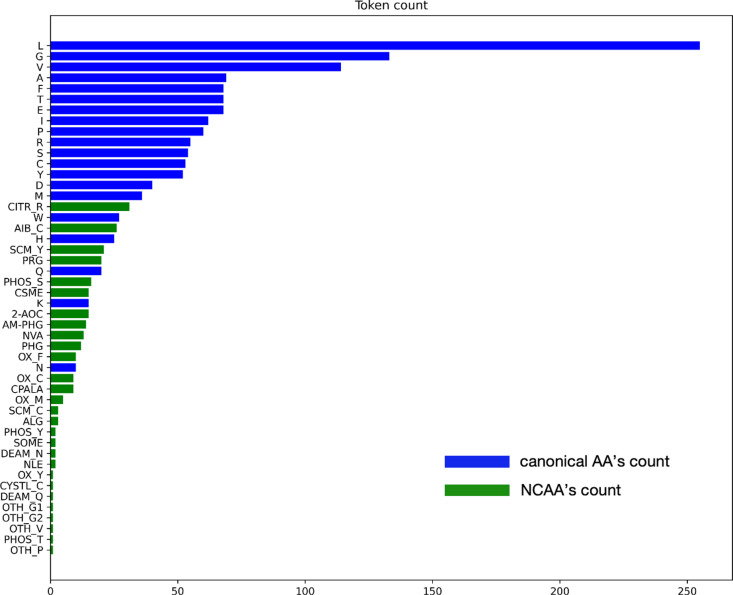 Figure 3
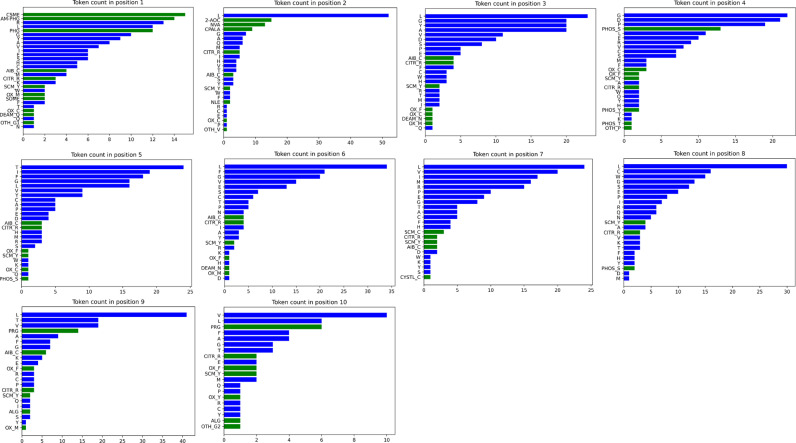 Figure 4
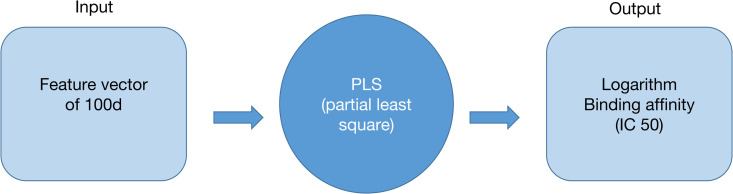 Figure 5
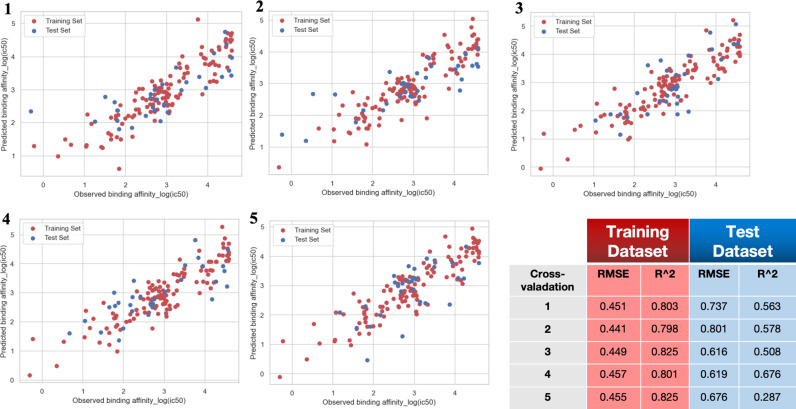 Figure 6
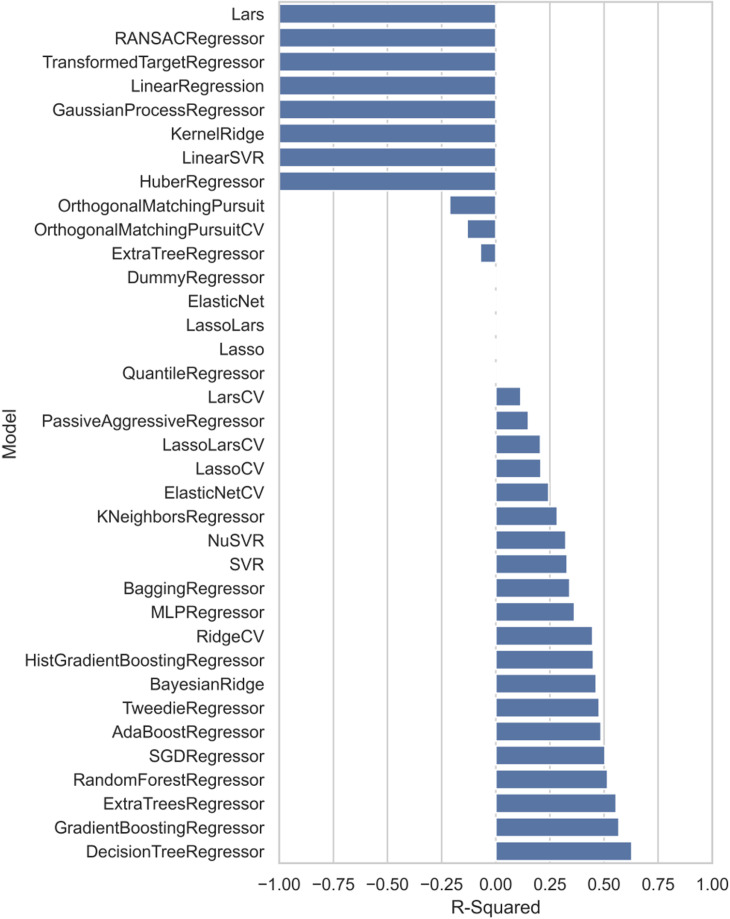 Figure 7
 Figure 8
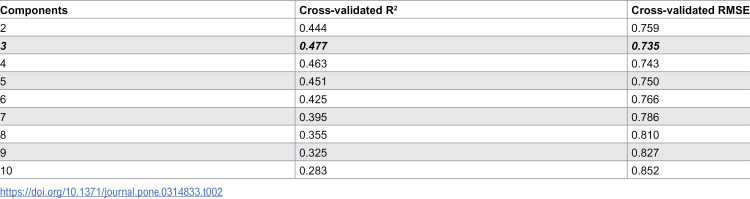 Figure 9
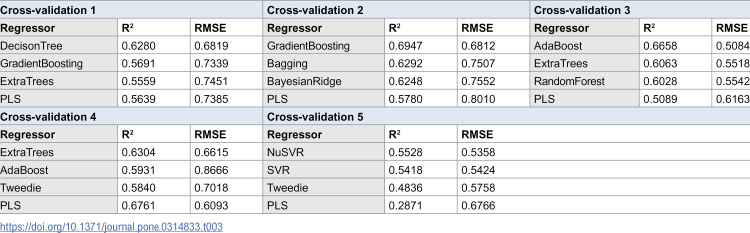 Figure 10
 Figure 11
Peer Reviews
No public reviews on file for this paper yet. If you reviewed it on a platform where reviews are public (OpenReview, ICLR, NeurIPS, ICML), you can paste yours below so the community can read it here.
Videos
No videos yet. Explain this paper in a talk, walkthrough, or lecture? Add one.
Taxonomy
Topicsvaccines and immunoinformatics approaches · Immunotherapy and Immune Responses · Monoclonal and Polyclonal Antibodies Research