Gender differences in Leptospira exposure risk, perceptions of disease severity, and high-risk behaviours in Salvador, Brazil: A cross-sectional study
Ellie A. Delight, Diogo César de Carvalho Santiago, Fabiana Almerinda G. Palma, Daiana de Oliveira, Fábio Neves Souza, Juliet Oliveira Santana, Arata Hidano, Yeimi Alzate López, Mitermayer G. Reis, Albert I. Ko, Akanksha A. Marphatia, Cleber Cremonese, Federico Costa

TL;DR
This study in Brazil found that men and women differ in their risk of Leptospira exposure, with men showing a stronger link between disease perception and risky behaviors.
Contribution
The study is the first to use a sex-disaggregated analysis to explore Leptospira exposure risks and perceptions in urban informal settlements.
Findings
Men who perceived leptospirosis as extremely serious had lower odds of being seropositive and engaging in risky behaviors.
Seroprevalence was higher in men (14.6%) than in women (9.4%).
Associations between perceived severity and behaviors were not observed in women.
Abstract
Vulnerability to climate hazards and infectious diseases is not gender-neutral, meaning that men, women, and other gender identities experience different risks. Leptospirosis is a zoonotic climate-sensitive infectious disease caused by the bacteria Leptospira and is transmitted to humans through contact with infected animals or contaminated environments, particularly soil and floodwater. Globally, studies report a higher risk of leptospiral infection among men than women, a trend also observed in Salvador, Brazil; however, the factors driving this difference are poorly understood. This study aimed to investigate how Leptospira exposure differs between men and women living in urban informal settlements in Salvador. We conducted a cross-sectional serosurvey among 761 adults (280 men and 481 women) in four communities previously identified as high-risk by surveillance data. Using a causal…
Genes, proteins, chemicals, diseases, species, mutations and cell lines named across the full text — each resolved to its canonical identifier and authoritative record.
Click any figure to enlarge with its caption.
 Figure 1
 Figure 2
 Figure 3
 Figure 4
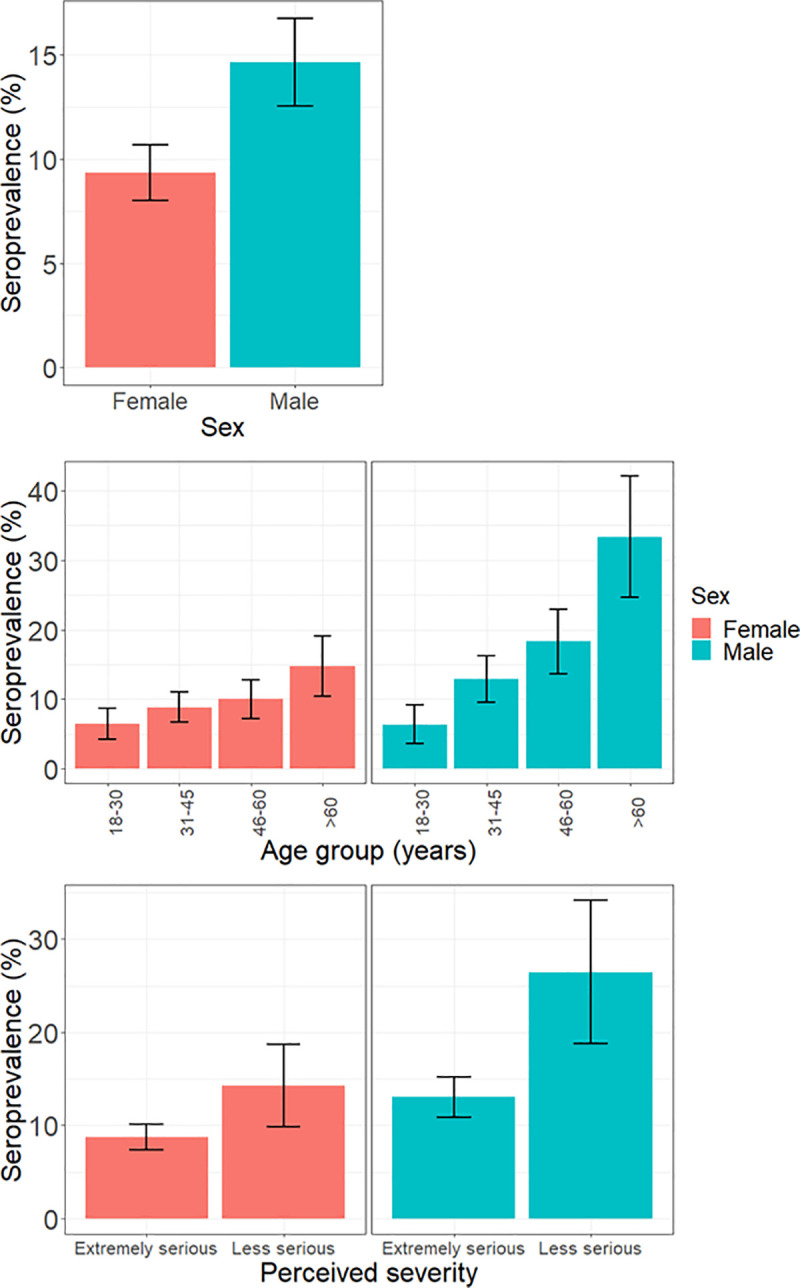 Figure 5
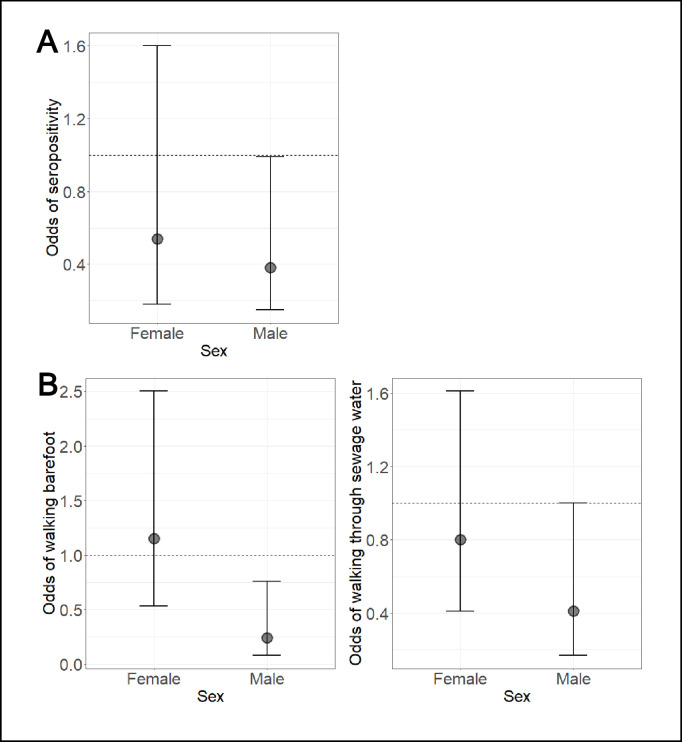 Figure 6
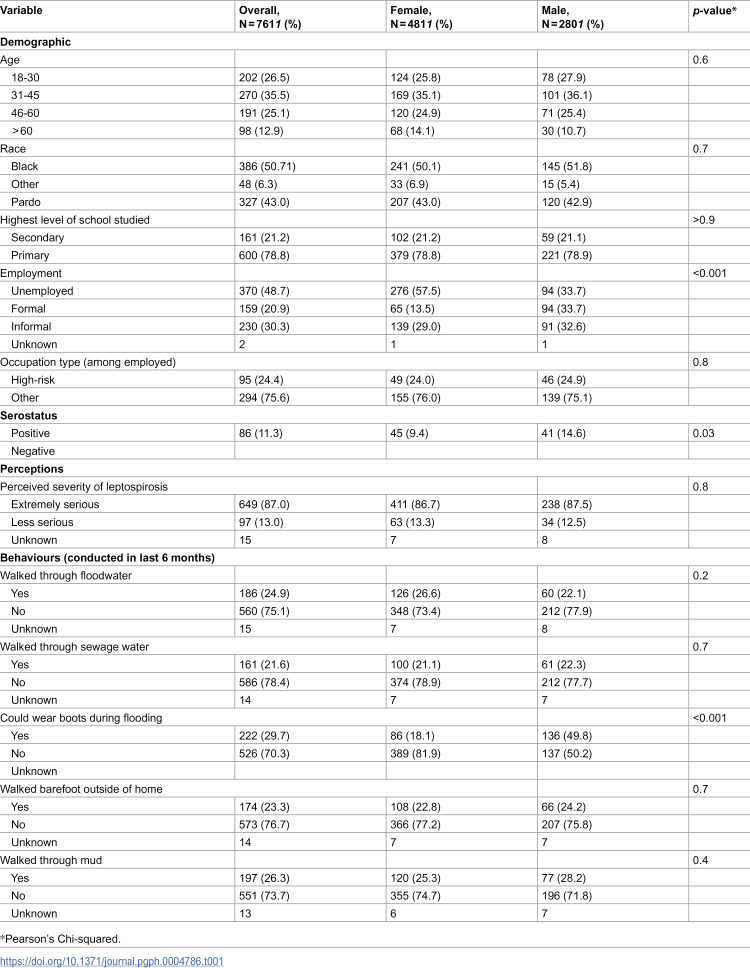 Figure 7
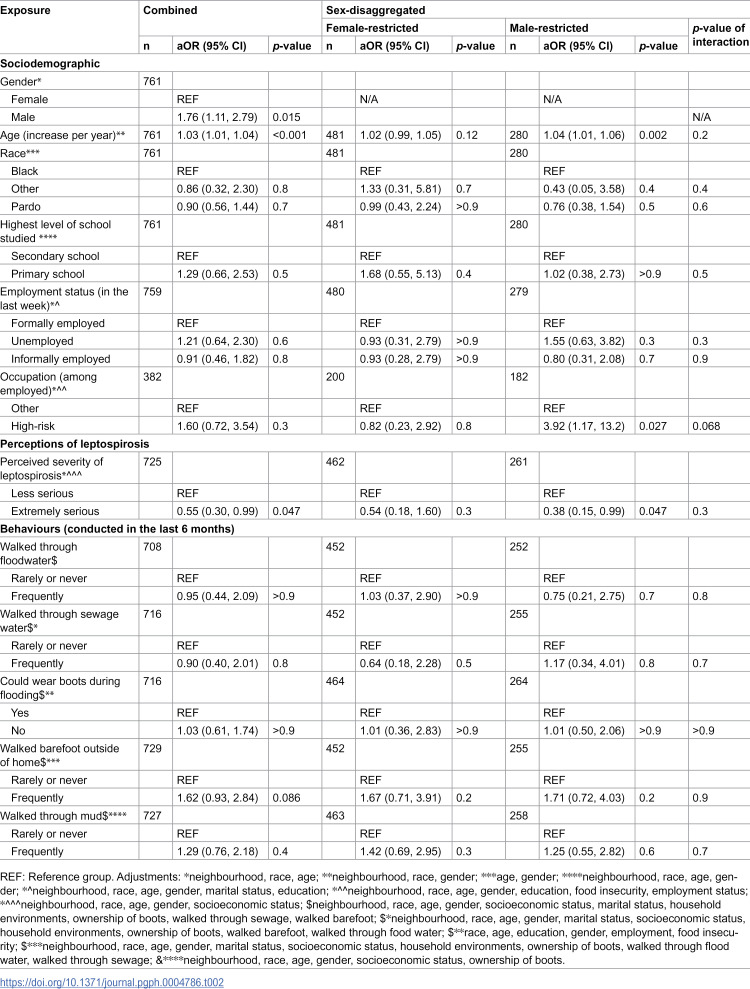 Figure 8
Peer Reviews
No public reviews on file for this paper yet. If you reviewed it on a platform where reviews are public (OpenReview, ICLR, NeurIPS, ICML), you can paste yours below so the community can read it here.
Videos
No videos yet. Explain this paper in a talk, walkthrough, or lecture? Add one.
Taxonomy
TopicsLeptospirosis research and findings · Viral Infections and Vectors