Evaluating the potential of underwater television to contribute to marine litter assessments alongside bottom trawling
Katja Norén, Filip Svensson, Max Lindmark

TL;DR
This study explores using underwater TV to monitor marine litter alongside traditional trawling methods, finding it less effective in low-density areas but useful when combined with other data.
Contribution
The study introduces a method to integrate underwater TV and trawl survey data for improved marine litter monitoring.
Findings
Underwater TV is less effective in low-density litter areas compared to trawling.
High litter densities are found in near-shore regions included in national monitoring.
Combining data sources improves litter density estimates but requires careful sampling design.
Abstract
Marine litter presents a global threat to marine ecosystems, human health, and safety. Therefore, it is important to increase our knowledge about spatiotemporal trends of litter in the environment. Bottom trawl surveys provide a practical method for monitoring seafloor litter on the continental shelf, but can have severe negative impacts on the environment. Here we evaluate the potential of an ongoing underwater television survey (UWTV) to also collect litter density data, and develop model-based indices of litter densities integrating coastal and offshore trawl survey data using geostatistical models. Based on our case study along the Swedish west coast, we find that UWTV in its current format may be limited as an alternative to trawling in areas with relatively low densities. There are also clear spatial trends in litter, with the highest densities in near-shores areas currently only…
Genes, proteins, chemicals, diseases, species, mutations and cell lines named across the full text — each resolved to its canonical identifier and authoritative record.
Click any figure to enlarge with its caption.
 Figure 1
 Figure 2
 Figure 3
 Figure 4
 Figure 5
 Figure 6
 Figure 7
 Figure 8
 Figure 9
 Figure 10
 Figure 11
 Figure 12
 Figure 13
 Figure 14
 Figure 15
 Figure 16
 Figure 17
 Figure 18
 Figure 19
 Figure 20
 Figure 21
 Figure 22
 Figure 23
 Figure 24
 Figure 25
 Figure 26
 Figure 27
 Figure 28
 Figure 29
 Figure 30
 Figure 31
 Figure 32
 Figure 33
 Figure 34
 Figure 35
 Figure 36
 Figure 37
 Figure 38
 Figure 39
 Figure 40
 Figure 41
 Figure 42
 Figure 43
 Figure 44
 Figure 45
 Figure 46
 Figure 47
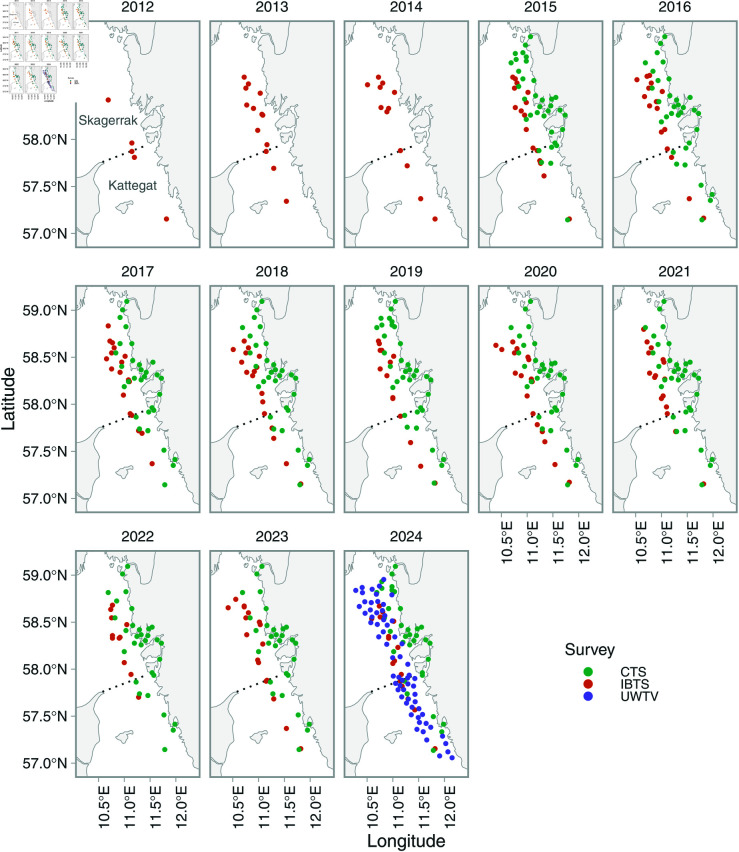 Figure 48
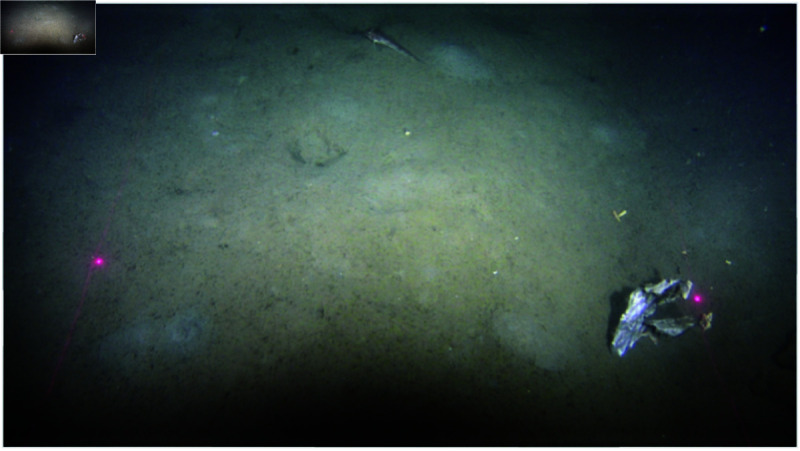 Figure 49
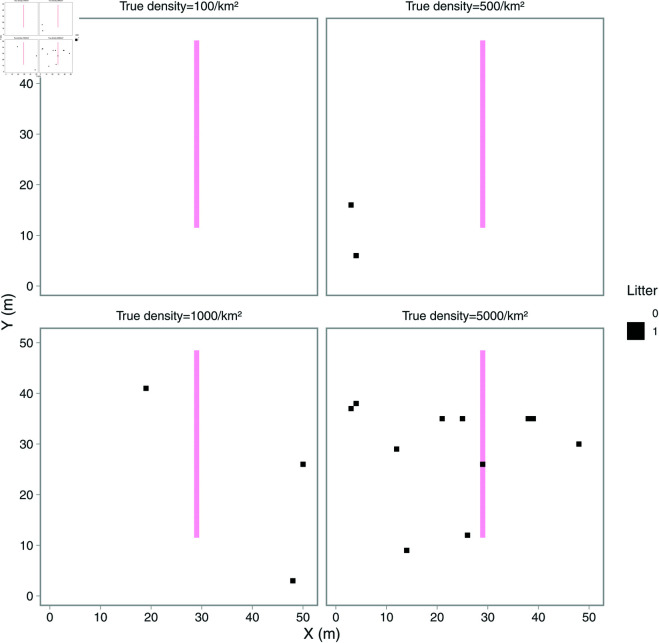 Figure 50
Peer Reviews
No public reviews on file for this paper yet. If you reviewed it on a platform where reviews are public (OpenReview, ICLR, NeurIPS, ICML), you can paste yours below so the community can read it here.
Videos
No videos yet. Explain this paper in a talk, walkthrough, or lecture? Add one.
Taxonomy
TopicsMicroplastics and Plastic Pollution · Water Quality Monitoring Technologies