Climate is stronger than you think: Exploring functional planting and TRIAD zoning for increased forest resilience to extreme disturbances
Clément Hardy, Christian Messier, Yan Boulanger, Dominic Cyr, Élise Filotas, Zhaoxia Guo, Zhaoxia Guo, Zhaoxia Guo

TL;DR
A modified forest management approach called TRIAD+ improves forest resilience to extreme events but may not be enough to significantly boost long-term recovery.
Contribution
The TRIAD+ zoning approach integrates functional diversity in plantations to enhance forest resilience under climate change and extreme disturbances.
Findings
TRIAD+ increased protected forest area by 240% and functional diversity by 15% compared to business-as-usual scenarios.
TRIAD+ improved landscape resilience to extreme disturbances but with limited long-term biomass recovery.
The effect of functional diversity on resilience may be small or limited by model scale.
Abstract
In the face of global changes, forest management must now consider adapting forests to novel and uncertain conditions alongside objectives of conservation and production. In this perspective, we modified the TRIAD zoning approach to add a resilience component through functionally diverse plantations following harvesting in the extensive areas. We then assessed the capacity of this new “TRIAD+” zoning approach for improving the resilience of the mature forest biomass to climate change and three potential extreme pulse disturbances: a large fire, a severe drought, and an insect outbreak. We used the forest landscape simulation model LANDIS-II on a management unit in Mauricie (Quebec, Canada) to simulate and compare the TRIAD+ scenario with a classic TRIAD zoning scenario, and two business-as-usual harvesting scenarios with and without functional enrichment planting. We also simulated…
Genes, proteins, chemicals, diseases, species, mutations and cell lines named across the full text — each resolved to its canonical identifier and authoritative record.
Click any figure to enlarge with its caption.
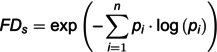 Figure 1
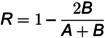 Figure 2
 Figure 3
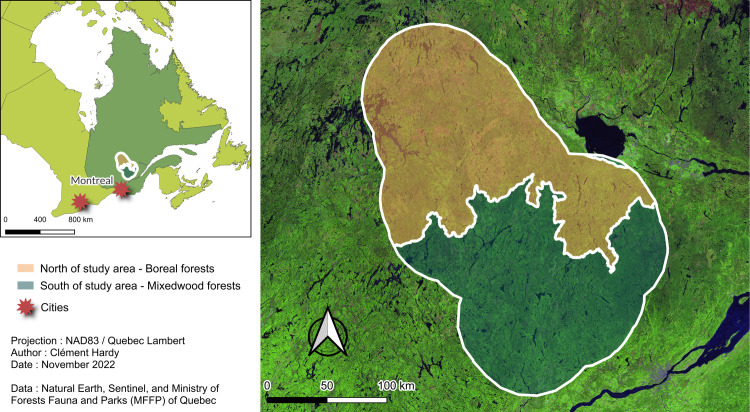 Figure 4
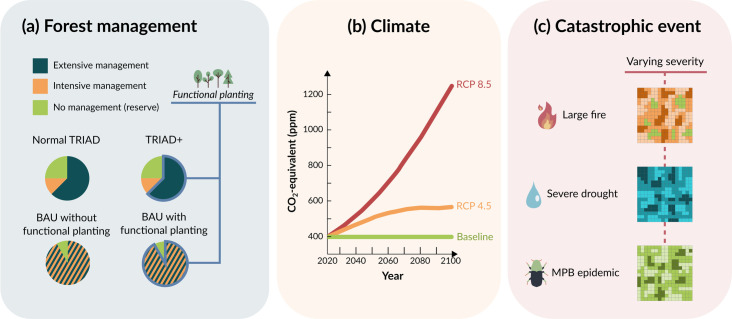 Figure 5
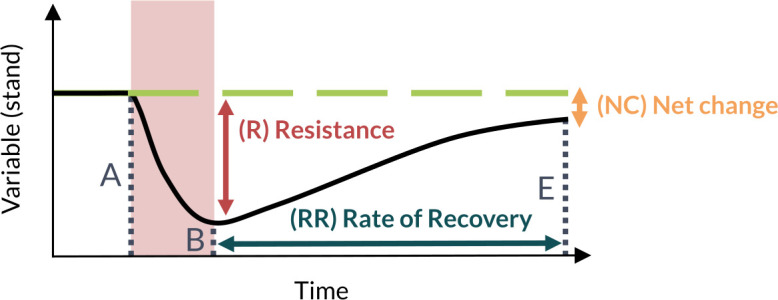 Figure 6
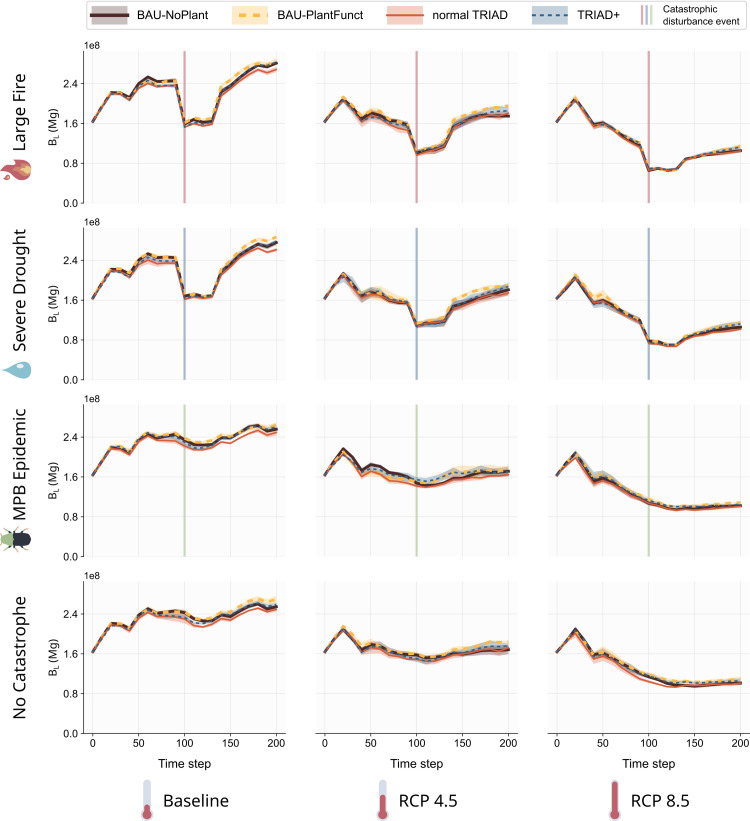 Figure 7
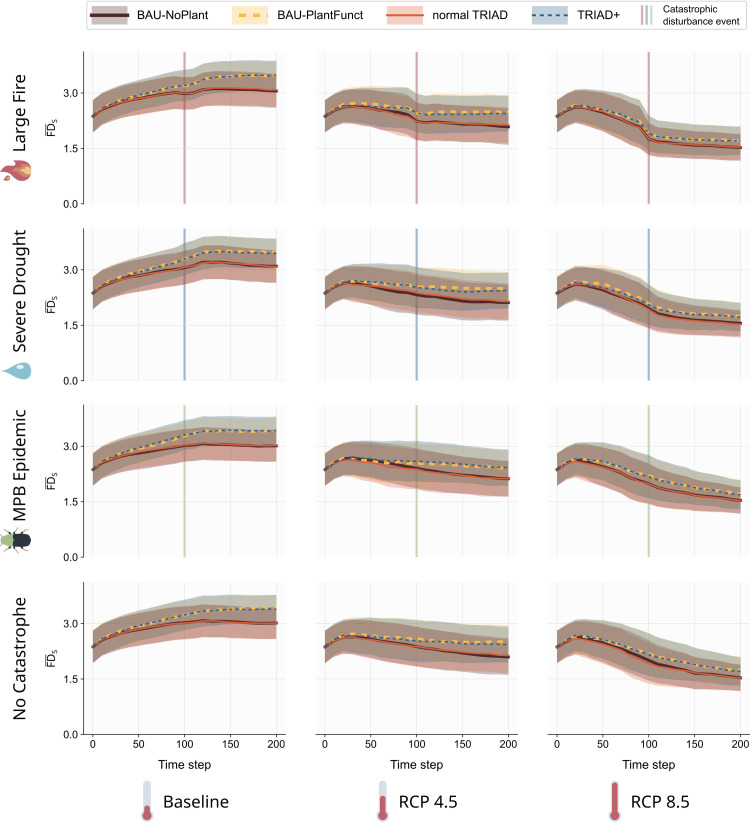 Figure 8
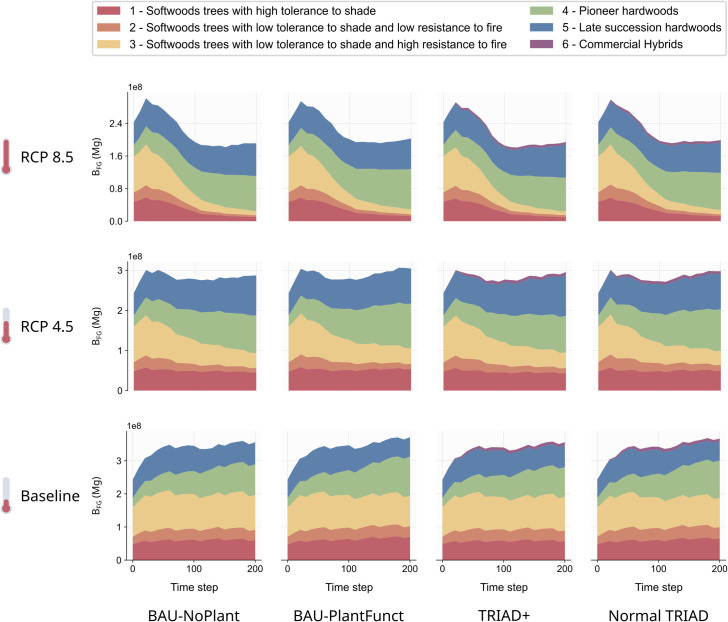 Figure 9
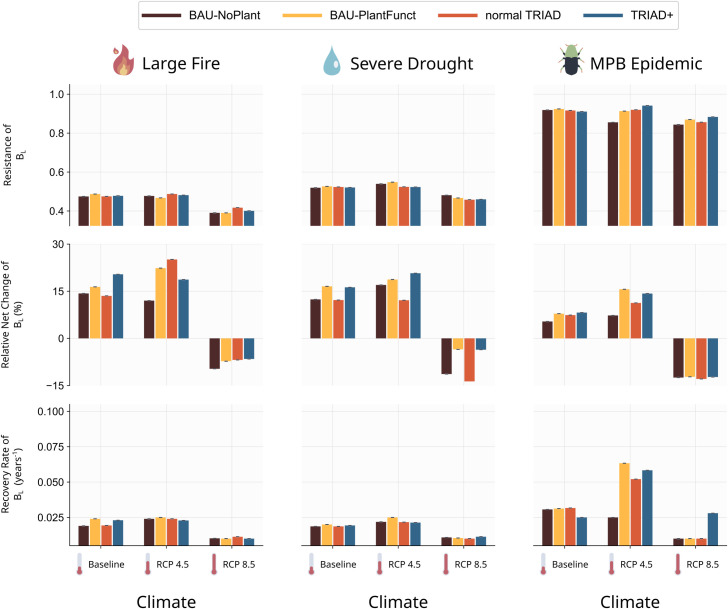 Figure 10
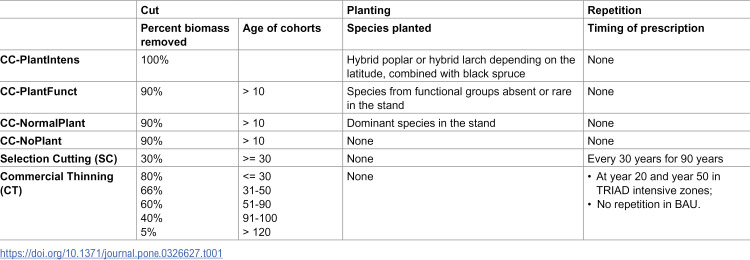 Figure 11
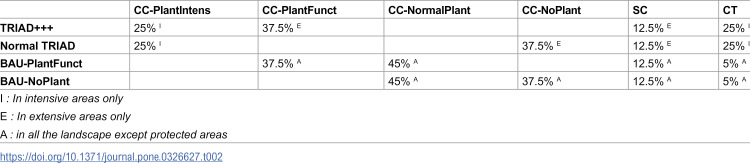 Figure 12
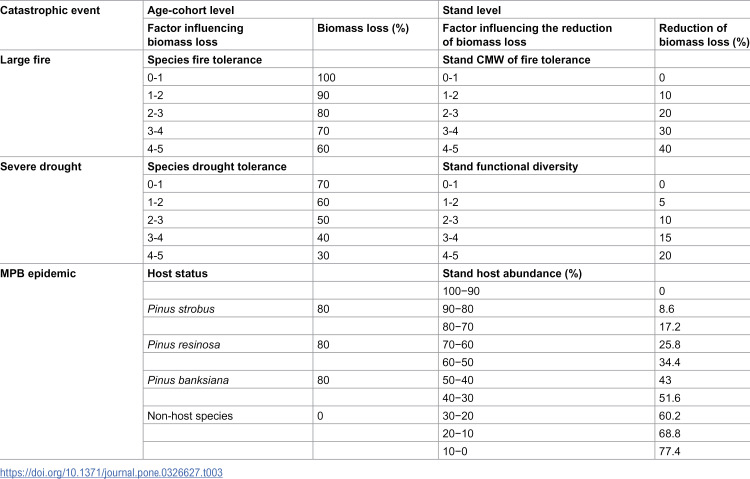 Figure 13
Peer Reviews
No public reviews on file for this paper yet. If you reviewed it on a platform where reviews are public (OpenReview, ICLR, NeurIPS, ICML), you can paste yours below so the community can read it here.
Videos
No videos yet. Explain this paper in a talk, walkthrough, or lecture? Add one.
Taxonomy
TopicsForest Management and Policy · Forest Insect Ecology and Management · Fire effects on ecosystems