Stress drives myelopoiesis to impair atherosclerosis resolution
Edward Fisher, Ozlem Tufanli, Bianca Scolaro, Giovanni Civieri, Florencia Schlamp, Sofie Delbare, Ada Weinstock, Flurin Cathomas, Stephanie Pena, Angélica Torres Berrío, Eric Parise, Kenny Chan, Lyonna Parise, Michael Osborne, Zahi Fayad, Eric Nestler, Filip Swirski

TL;DR
Chronic psychological stress reduces the effectiveness of lipid-lowering treatments in reducing atherosclerosis by increasing inflammation in blood vessels.
Contribution
This study reveals that stress impairs the benefits of lipid-lowering therapy through stress-driven myelopoiesis and inflammation in atherosclerotic plaques.
Findings
Mice susceptible to chronic stress showed reduced benefits from LDL-C lowering compared to control or resilient mice.
Stress-induced inflammation in plaque macrophages was linked to re-programmed monocyte precursors in the bone marrow.
Human imaging confirmed that stress reduces the effectiveness of LDL-C lowering in reducing arterial inflammation.
Abstract
Atherosclerotic cardiovascular diseases (ASCVD) remain the leading cause of death globally. Animal and human studies link psychological stress-related disorders to ASCVD. Despite this accumulating evidence linking stress to increased cardiovascular disease (CVD) risk, it remains unclear whether stress impairs the benefits of standard risk-reduction therapies, of which lipid-lowering remains the most common, or whether this increased risk is driven by systemic inflammatory states. We tested the hypothesis that psychological stress limits the benefits of lipid lowering on resolving inflammation in atherosclerotic plaques by combining two established mouse models, namely one in which levels of atherogenic LDL cholesterol (LDL-C) can be lowered after plaques develop, and the other a model of chronic social defeat stress (CSDS). Here we show that mice susceptible to CSDS (“SUS”) had…
Genes, proteins, chemicals, diseases, species, mutations and cell lines named across the full text — each resolved to its canonical identifier and authoritative record.
Click any figure to enlarge with its caption.
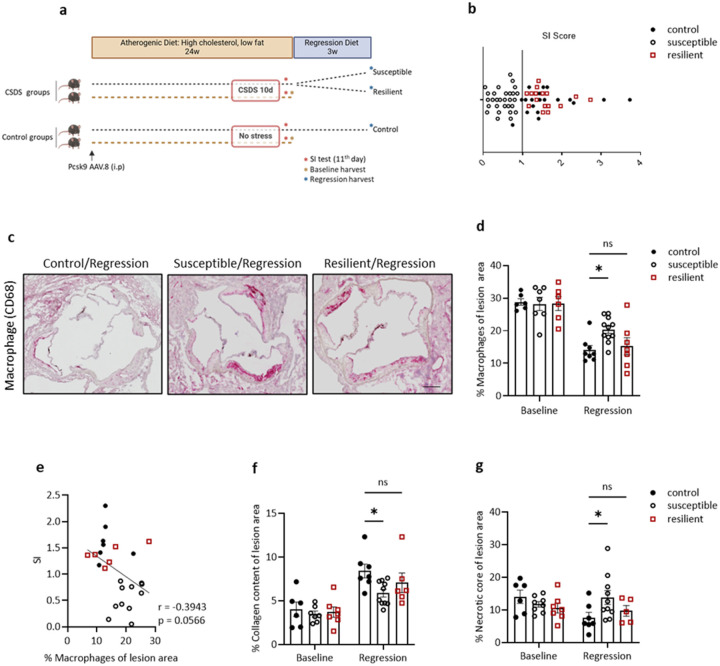 Figure 1
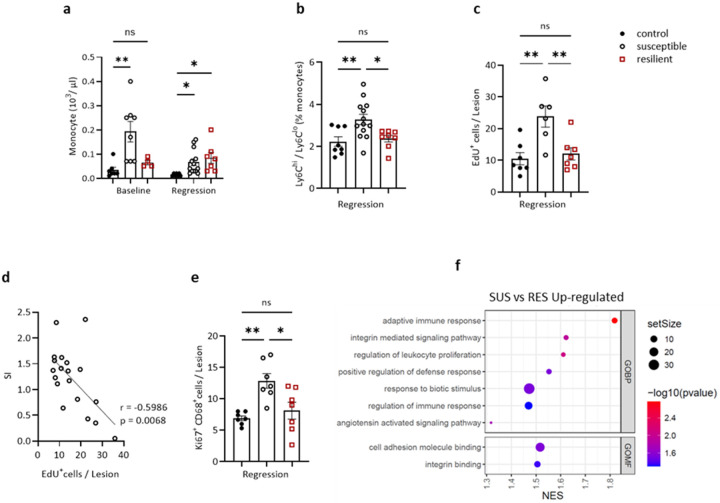 Figure 2
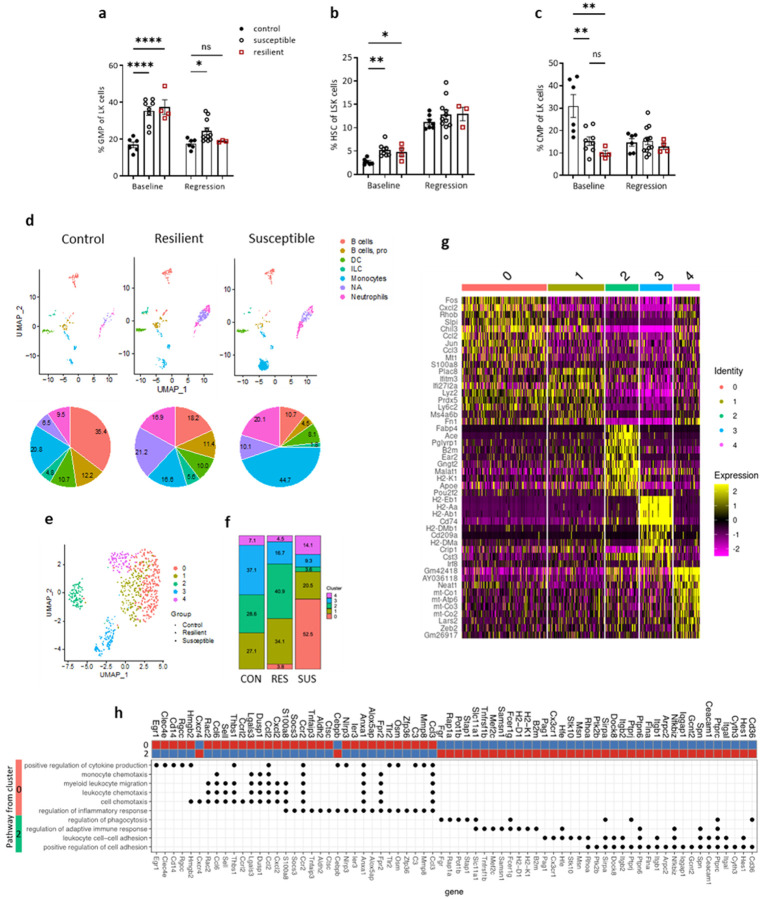 Figure 3
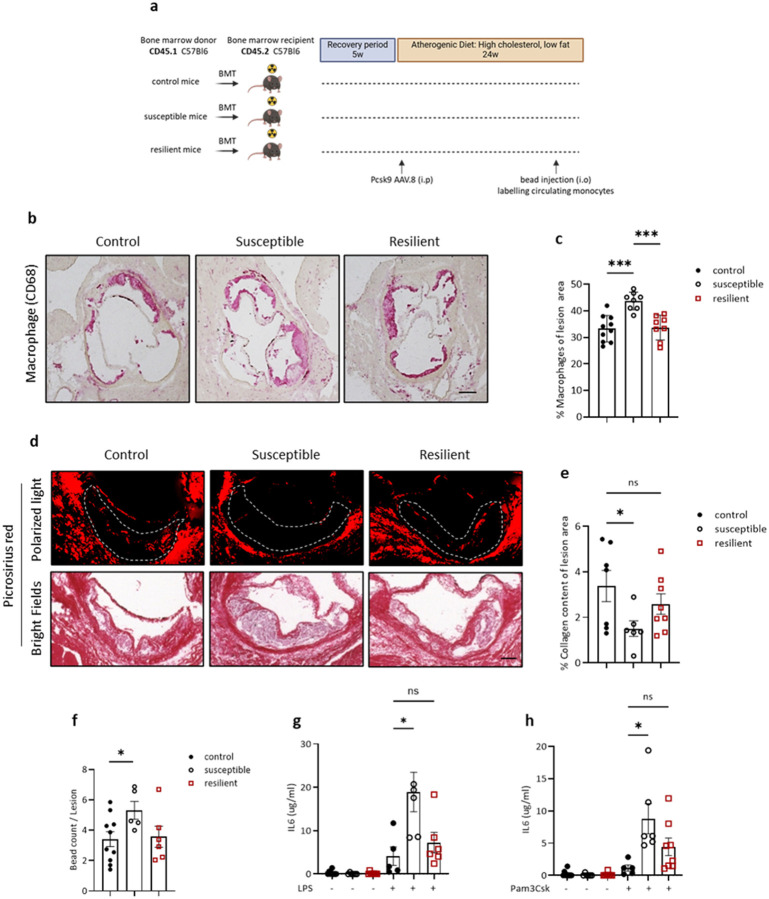 Figure 4
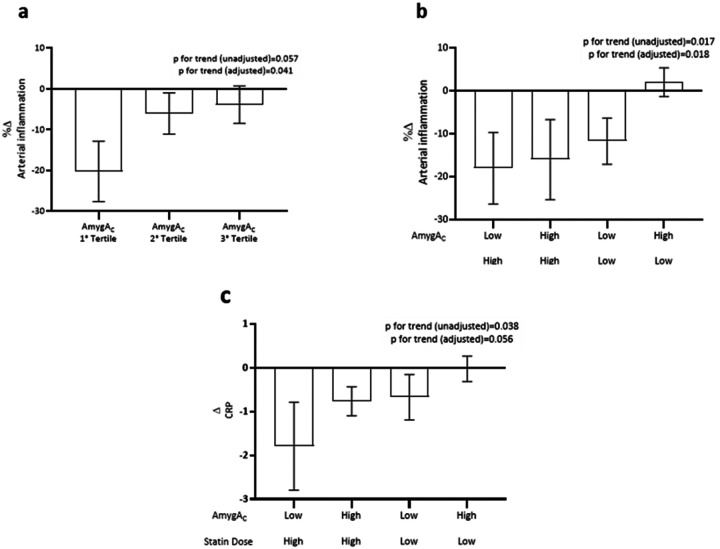 Figure 5
Peer Reviews
No public reviews on file for this paper yet. If you reviewed it on a platform where reviews are public (OpenReview, ICLR, NeurIPS, ICML), you can paste yours below so the community can read it here.
Videos
No videos yet. Explain this paper in a talk, walkthrough, or lecture? Add one.
Taxonomy
TopicsStress Responses and Cortisol · Tryptophan and brain disorders