Comparative genomic analysis of clinically relevant human skin-associated fungi
Sofie Agerbæk, Knud Nor Nielsen, Julie B.K. Sølberg, Ying Marlene Zhang, Zahra Akil Meften Al-Badran, Marc Stegger, Sonja Kabatnik, Matthias Mann, Rachel A. Clark, Ditte M. L. Saunte, Alberto Santos, Marianne Bengtson Løvendorf, Beatrice Dyring-Andersen

TL;DR
This paper provides genomic insights into fungi that cause skin infections, revealing differences in their genetic makeup and how they adapt to human hosts.
Contribution
The study presents high-quality genomic datasets for 51 clinically relevant skin-associated fungi and identifies lineage-specific adaptations and virulence factors.
Findings
Genome compaction is observed in fungi transitioning to host-associated lifestyles.
Metabolic adaptations and virulence factors vary significantly across skin-associated fungal species.
Two non-hybrid strains of Trichosporon ovoides are identified and analyzed.
Abstract
Fungal skin infections represent a significant global health burden, affecting approximately one billion people annually. Despite their prevalence and major global health impact, the molecular mechanisms underlying pathogenicity remain largely uncharacterized. Here we present high quality genomic datasets for 51 fungal strains, representing highly prevalent and clinically relevant species associated with human skin infections. Comparative genomics reveal substantial variation in genome size and gene contents, indicating genome compaction occurred as the fungi transitioned from free-living to host-associated lifestyles. We report two non-hybrid strains of Trichosporon ovoides, the causative agent of white piedra. Our analysis reveals substantial differences in metabolic adaptations across skin-associated fungi, corresponding to distinct body-site and nutrient niches. Significant…
Genes, proteins, chemicals, diseases, species, mutations and cell lines named across the full text — each resolved to its canonical identifier and authoritative record.
Click any figure to enlarge with its caption.
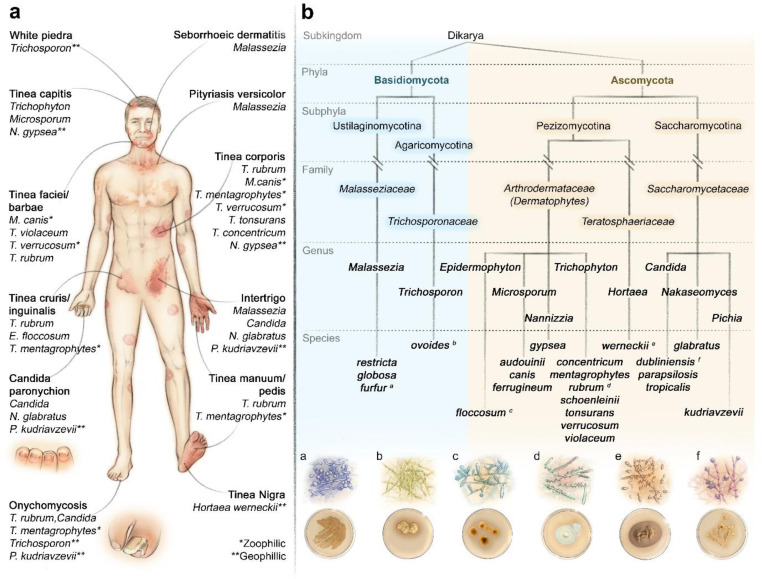 Figure 1
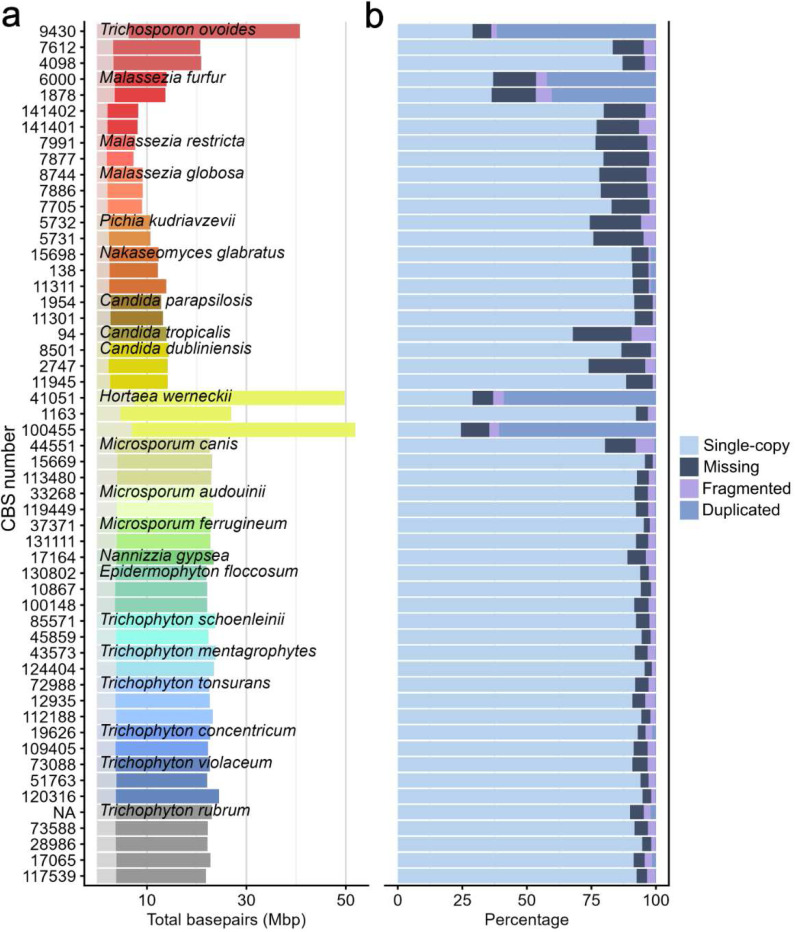 Figure 2
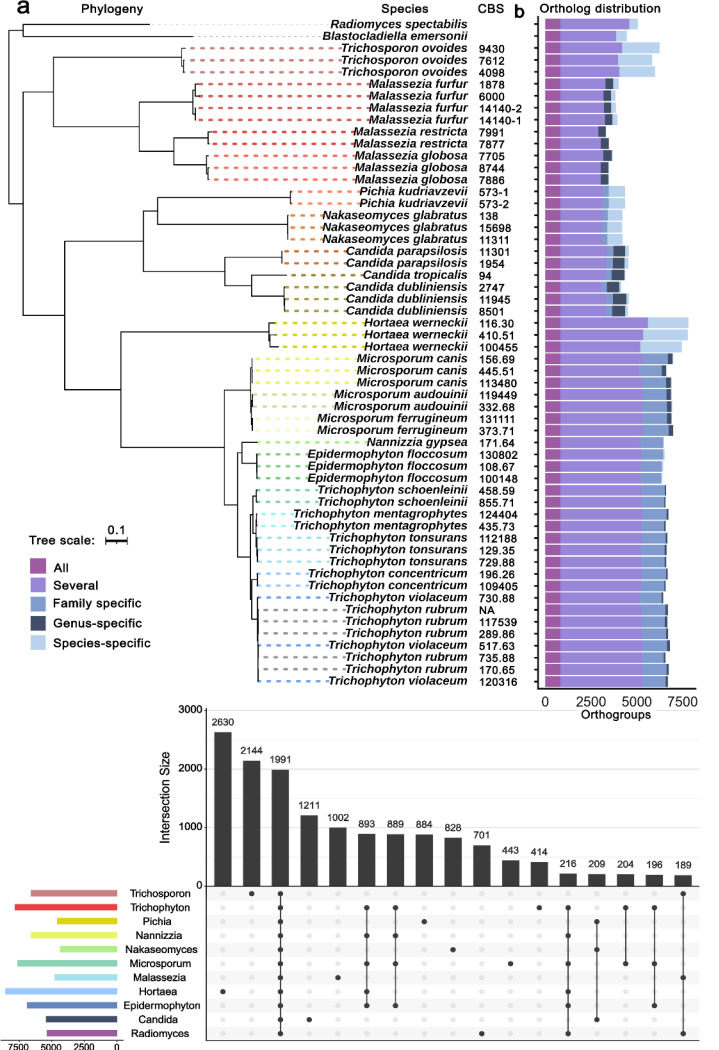 Figure 3
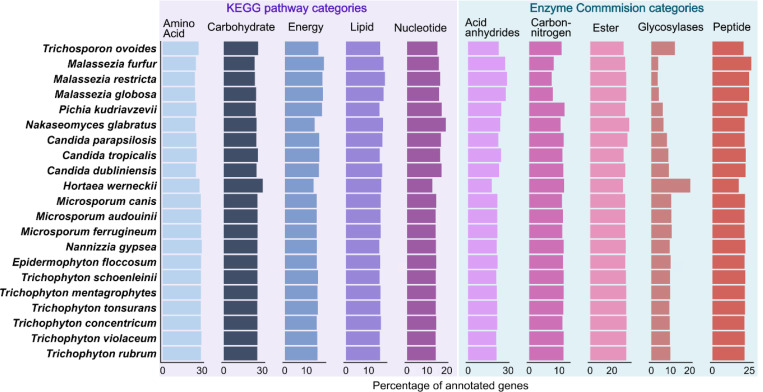 Figure 4
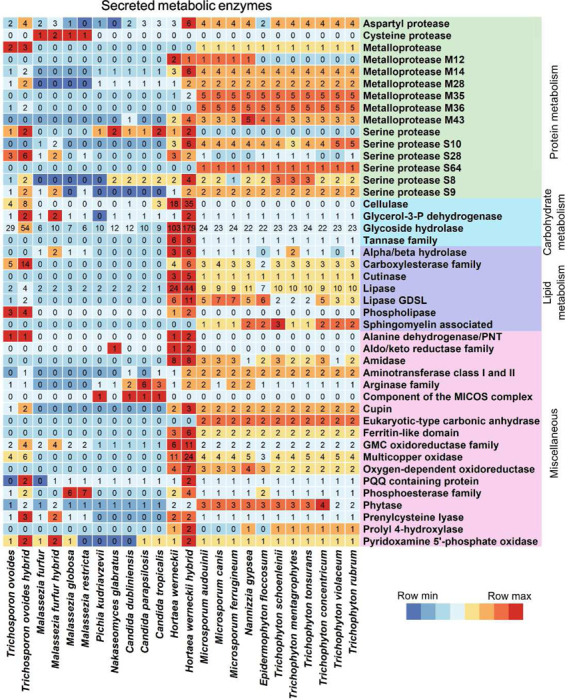 Figure 5
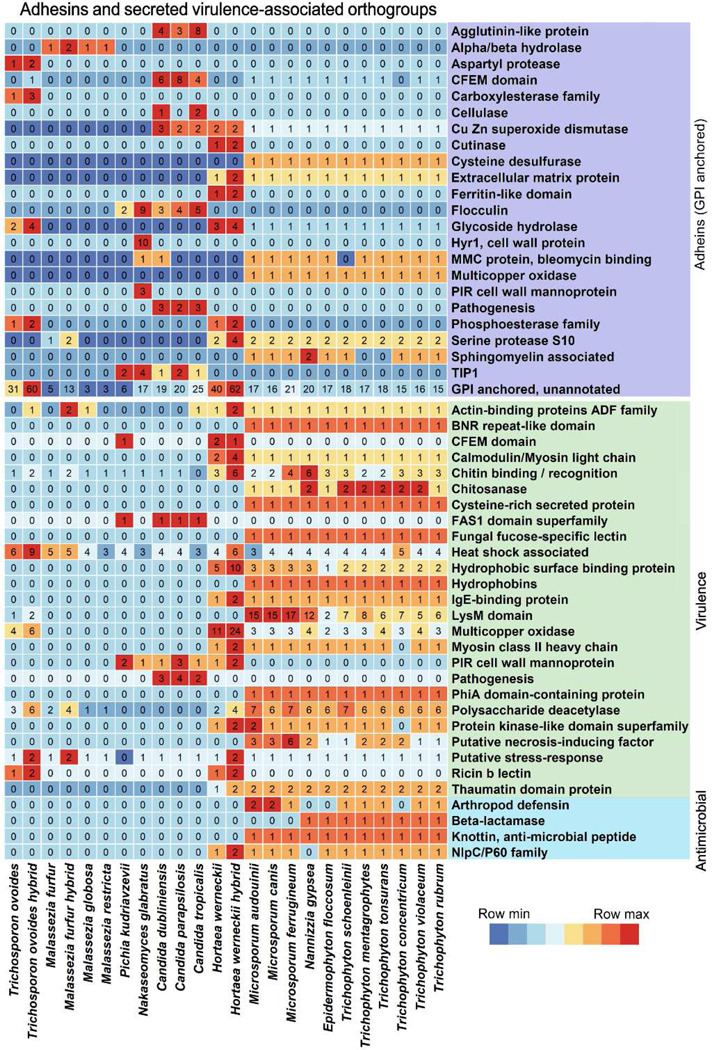 Figure 6
Peer Reviews
No public reviews on file for this paper yet. If you reviewed it on a platform where reviews are public (OpenReview, ICLR, NeurIPS, ICML), you can paste yours below so the community can read it here.
Videos
No videos yet. Explain this paper in a talk, walkthrough, or lecture? Add one.
Taxonomy
TopicsNail Diseases and Treatments · Antifungal resistance and susceptibility · Fungal Infections and Studies