Proteomic Signatures as Biomarkers of Atherosclerosis Burden
Lanyue Zhang, Murad Omarov, LingLing Xu, Barnali Das, Hong Luo, Stefanie M. Hauck, Agnese Petrera, Zhi Yu, Sascha N. Goonewardena, Eleftheria Zeggini, Annette Peters, Martin Dichgans, Venkatesh L. Murthy, Barbara Thorand, Marios K. Georgakis

TL;DR
This study identifies blood-based protein patterns that accurately measure atherosclerosis severity and predict future heart and stroke risks better than existing methods.
Contribution
The study introduces four novel proteomic signatures derived from machine learning to quantify atherosclerosis burden and improve cardiovascular risk prediction.
Findings
Four proteomic signatures achieved strong discrimination of atherosclerotic disease with ROC-AUC up to 0.92.
The signatures improved cardiovascular risk prediction beyond SCORE2 with a ΔC-index of +0.036.
Signature levels correlated with plaque burden and predicted future myocardial infarction and stroke in external cohorts.
Abstract
Atherosclerosis progresses silently over decades before manifesting clinically as myocardial infarction or stroke. Currently, no circulating biomarker reliably quantifies the burden of atherosclerosis beyond imaging techniques. Here, we sought to define plasma proteomic signatures that reflect the systemic burden of atherosclerosis. Using CatBoost machine learning applied to plasma proteomes (Olink Explore 3072; 2,920 proteins) from 44,788 UK Biobank participants, we derived four proteomic signatures which robustly discriminated individuals with known atherosclerotic disease from propensity score-matched controls (ROC-AUC up to 0.92, 95% CI: 0.90–0.94 in the test set). Each signature was based on distinct protein sets: the whole proteome (WholeProteome; n = 2920), proteins associated with genetic predisposition to atherosclerosis (Genetic; n = 402), those implicated in atherogenesis…
Genes, proteins, chemicals, diseases, species, mutations and cell lines named across the full text — each resolved to its canonical identifier and authoritative record.
Click any figure to enlarge with its caption.
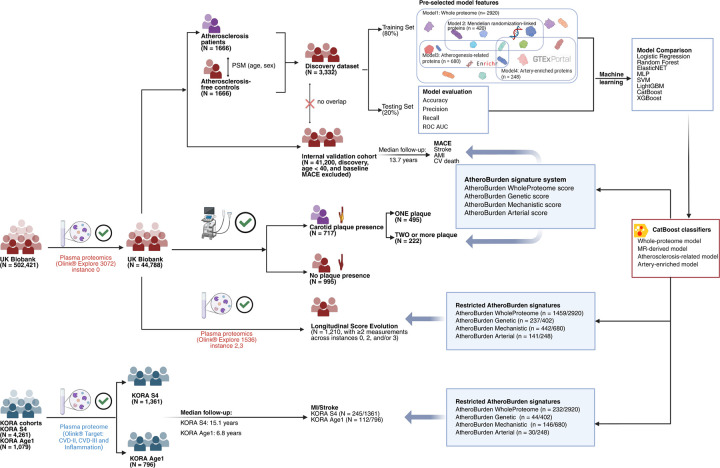 Figure 1
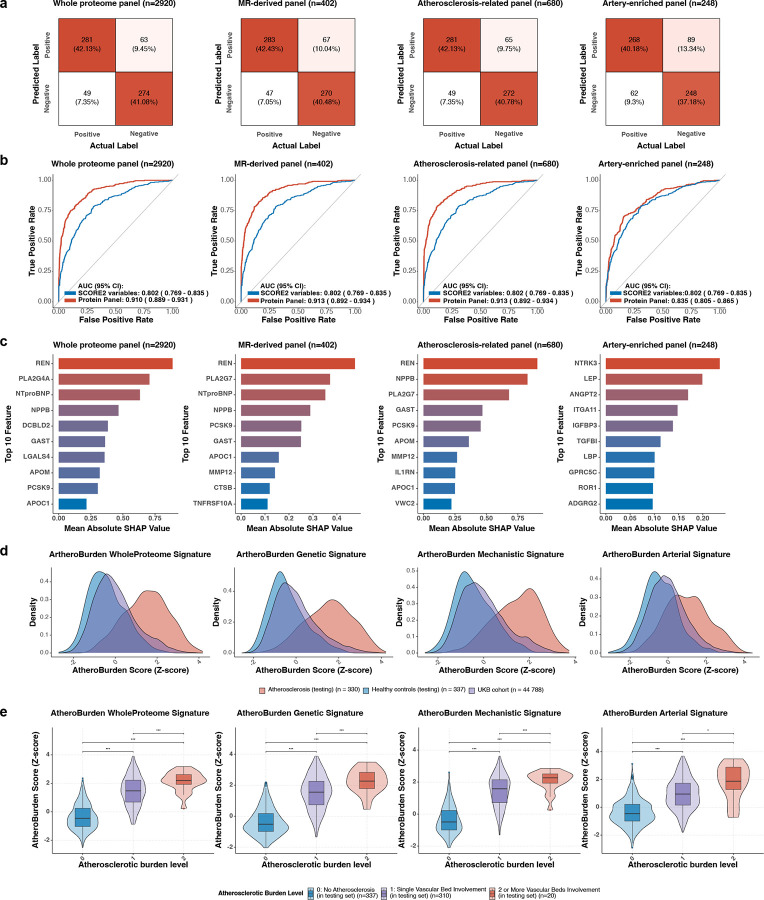 Figure 2
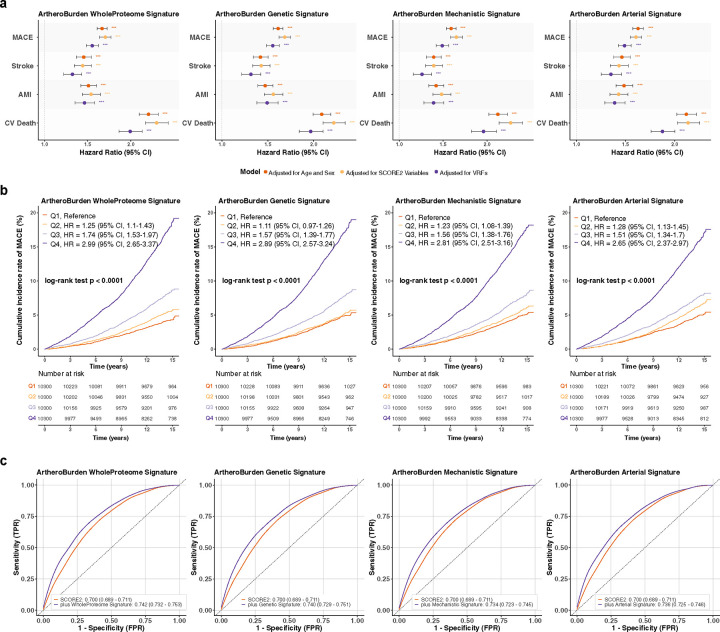 Figure 3
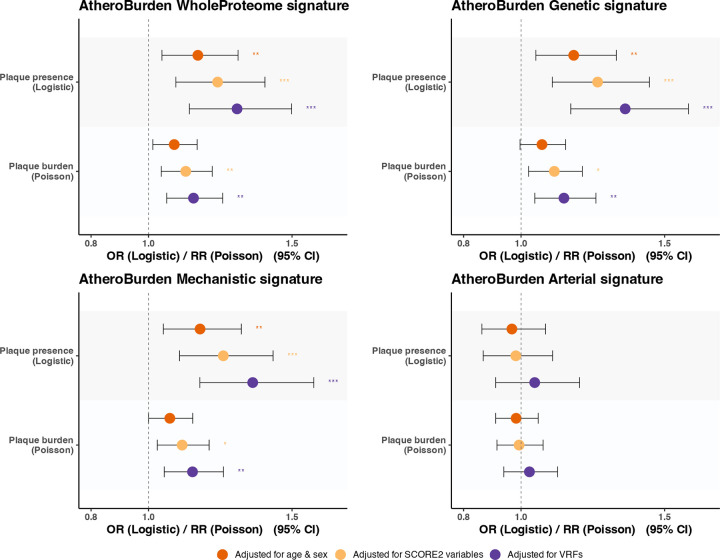 Figure 4
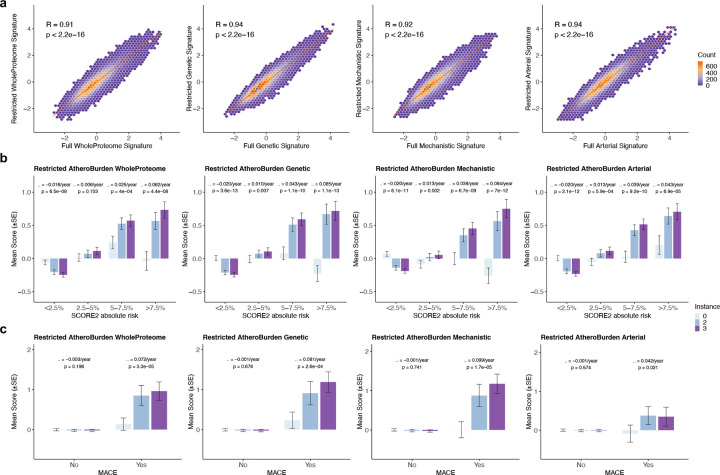 Figure 5
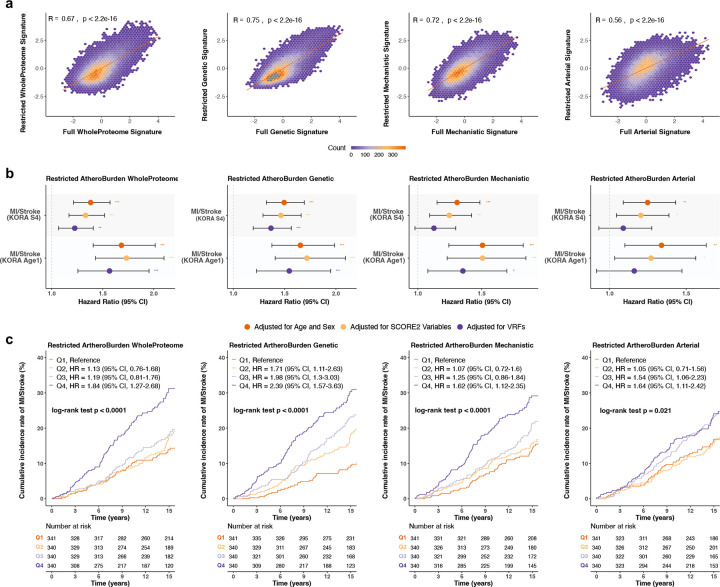 Figure 6
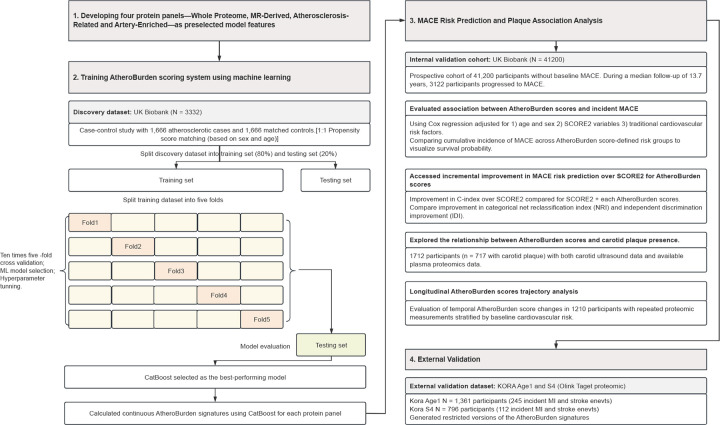 Figure 7
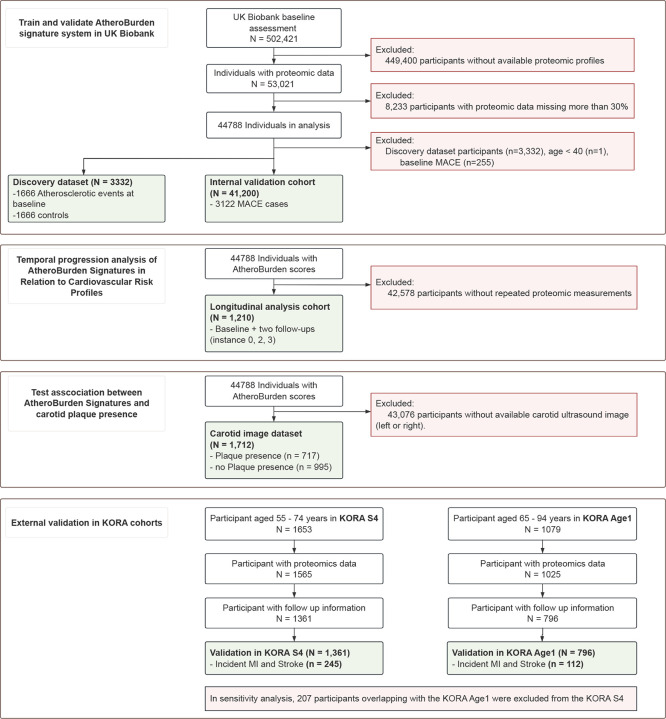 Figure 8
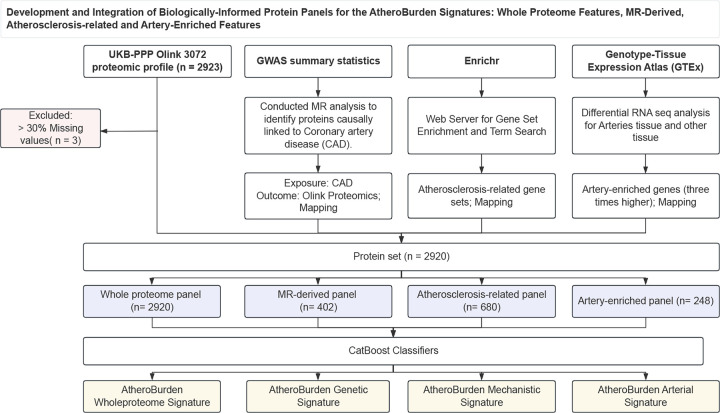 Figure 9
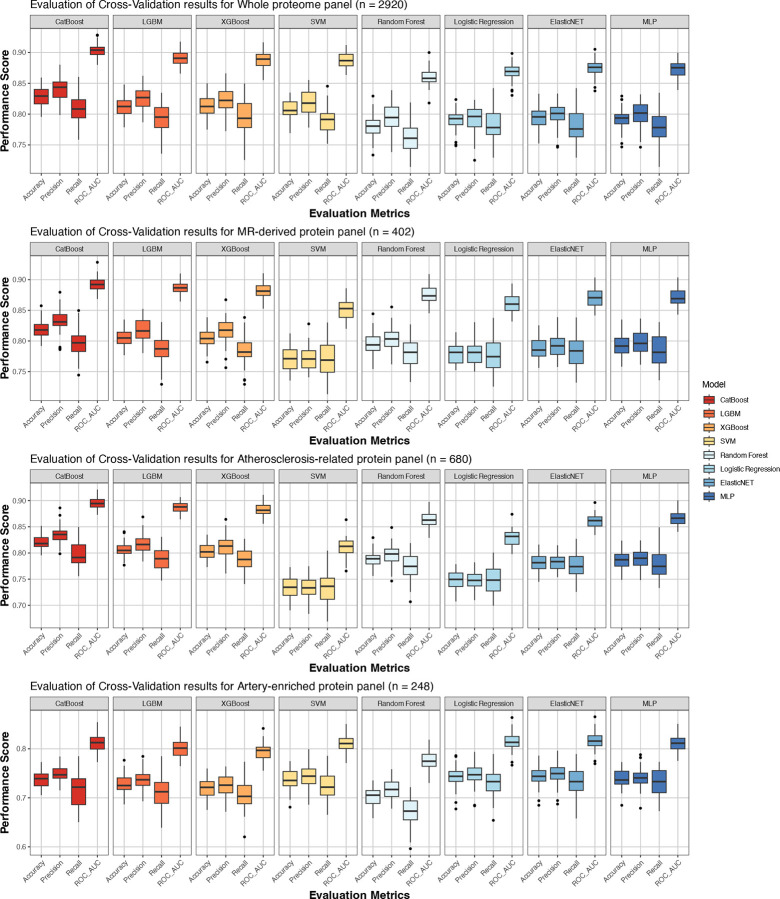 Figure 10
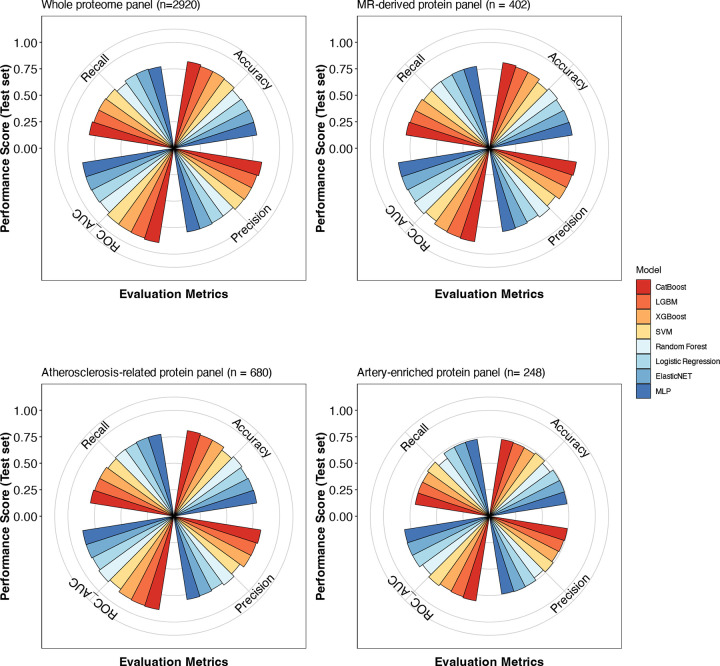 Figure 11
 Figure 12
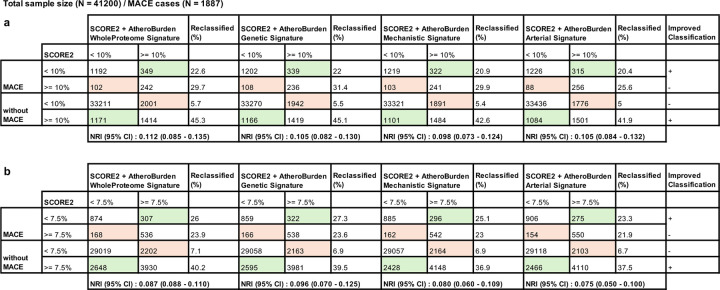 Figure 13
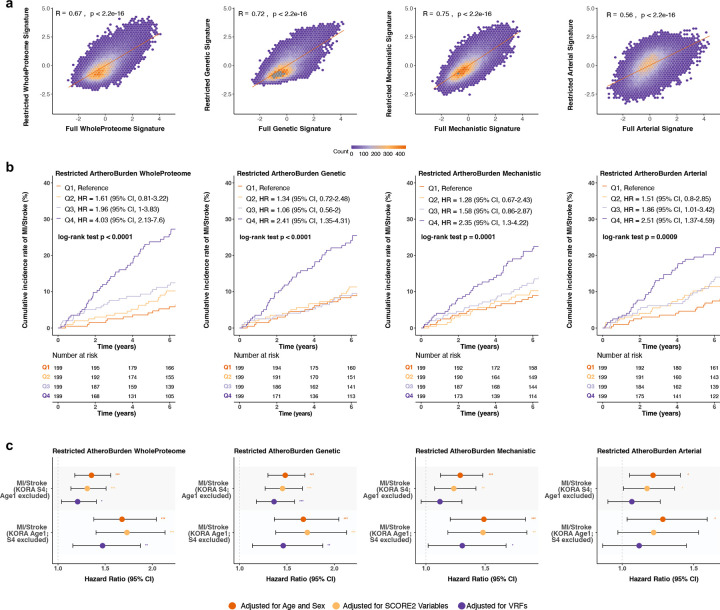 Figure 14
Peer Reviews
No public reviews on file for this paper yet. If you reviewed it on a platform where reviews are public (OpenReview, ICLR, NeurIPS, ICML), you can paste yours below so the community can read it here.
Videos
No videos yet. Explain this paper in a talk, walkthrough, or lecture? Add one.
Taxonomy
TopicsLipoproteins and Cardiovascular Health · Cardiovascular Disease and Adiposity