Compartment-specific analysis reveals disrupted astrocytic calcium transients in Alzheimer’s mice
Md Joynal Abedin, Yee Fun Lee, Melinda Zhang, Alyssa N Russ, Dmitry Gerashchenko, Brian J. Bacskai, Ksenia V. Kastanenka

TL;DR
This study finds that Alzheimer’s disease disrupts calcium signaling in specific parts of astrocytes in mice, which could affect brain function.
Contribution
The study provides the first systematic analysis of calcium dynamics in specific astrocytic compartments in Alzheimer’s disease.
Findings
Astrocytic somas in Alzheimer’s mice showed increased activity duration and peak amplitude.
Processes and microdomains in Alzheimer’s mice had reduced calcium activity despite higher event rates.
Endfeet showed reductions in all calcium parameters, and enhanced astrocyte synchrony was observed in Alzheimer’s mice.
Abstract
Alzheimer’s disease (AD) is characterized by presence of extracellular amyloid plaques, intracellular tau tangles, and extensive neuronal cell death. In addition to neurons, astrocytes modulate neuronal network activity through tripartite synapses and are increasingly recognized for their involvement in AD pathology. Astrocytic calcium signaling has been implicated in AD pathological processes, including disrupted synaptic transmission, dysregulated glutamate homeostasis, and impaired vascular function via astrocytic endfeet. However, a systematic analysis of calcium dynamics within specific astrocytic compartments has been lacking. Using in vivo multiphoton imaging of Yellow Cameleon 3.6, a genetically encoded calcium indicator targeted to astrocytes in APP/PS1 mice, we analyzed spontaneous calcium transients in cortical astrocytes at 4–6 months of age. We quantified event rate,…
Genes, proteins, chemicals, diseases, species, mutations and cell lines named across the full text — each resolved to its canonical identifier and authoritative record.
Click any figure to enlarge with its caption.
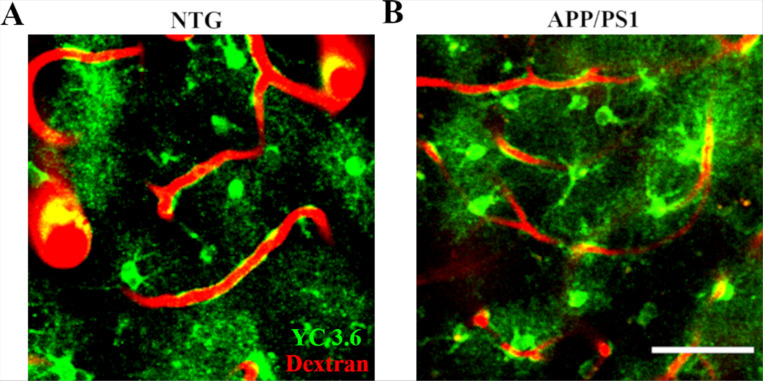 Figure 1
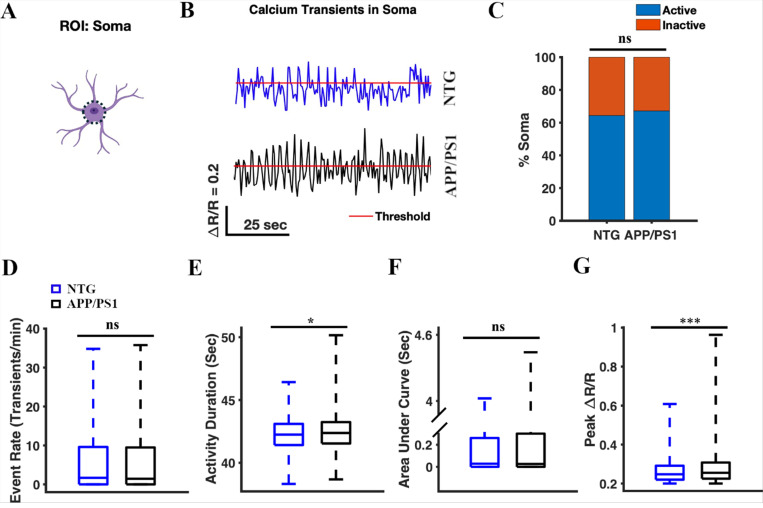 Figure 2
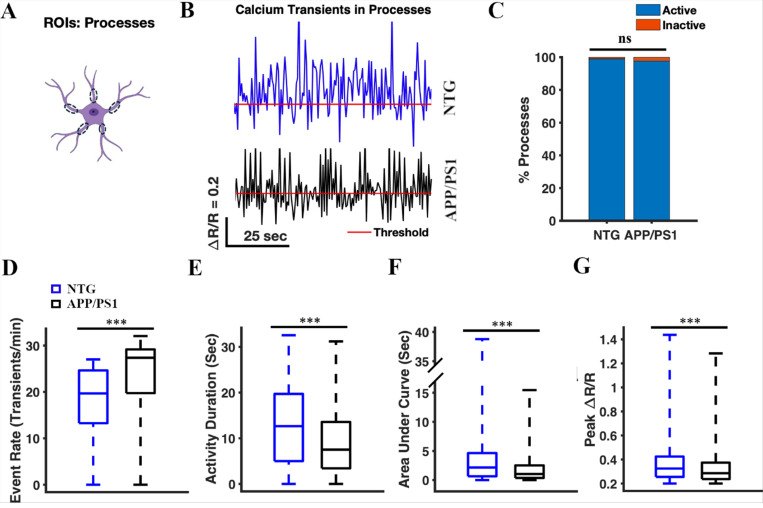 Figure 3
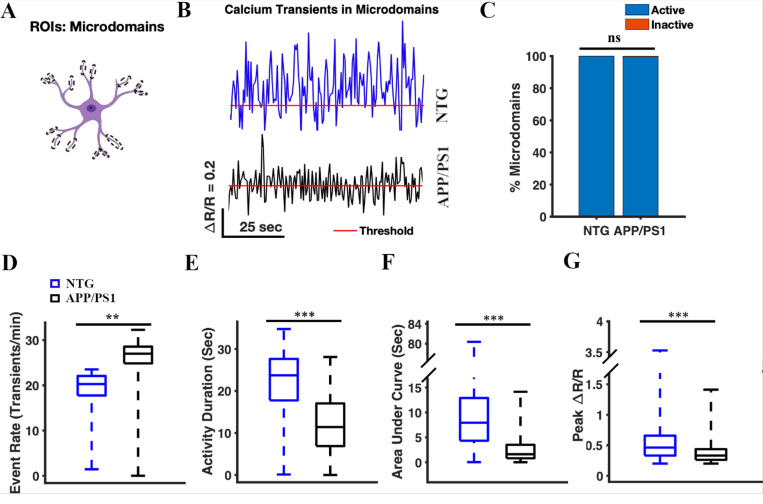 Figure 4
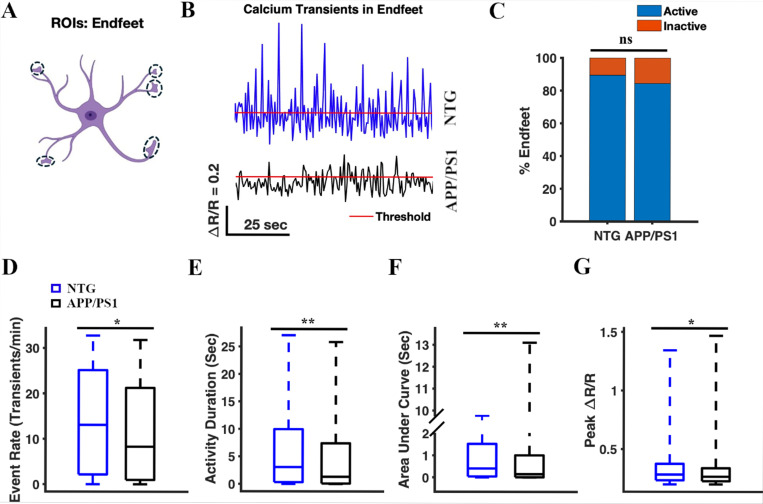 Figure 5
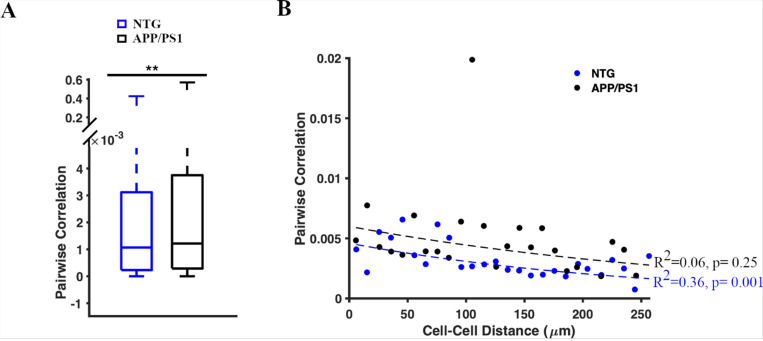 Figure 6
Peer Reviews
No public reviews on file for this paper yet. If you reviewed it on a platform where reviews are public (OpenReview, ICLR, NeurIPS, ICML), you can paste yours below so the community can read it here.
Videos
No videos yet. Explain this paper in a talk, walkthrough, or lecture? Add one.
Taxonomy
TopicsAlzheimer's disease research and treatments · Neuroscience and Neuropharmacology Research · Tryptophan and brain disorders