Predictive role of ARID1A and B2M mutations and the antigen presentation pathway in the efficacy of definitive chemoradiotherapy for cervical cancer
Chenjing Zhu, Zhen Gong, Ping Yin, Jian Huang, Dan He, Biqing Zhu, Yaqin Wu, Hairong Wang, Yaru Zhang, Qifan Jing, Jiani C Yin, Yue Li, Jianyao Liu, Huanhuan Hu, Shuyue Xiao, Zhihua Sun, Hanzi Xu

TL;DR
The study finds that ARID1A and B2M mutations, along with issues in antigen presentation, predict poor survival in cervical cancer patients treated with chemoradiotherapy.
Contribution
The study identifies ARID1A and B2M mutations and antigen presentation pathway alterations as novel biomarkers for predicting dCRT outcomes in cervical cancer.
Findings
ARID1A and B2M mutations are independent predictors of poor disease-free survival in cervical cancer patients.
Altered antigen presentation pathways correlate with reduced survival and weakened immune response.
Patients with these mutations show decreased immune cell infiltration and impaired immune response.
Abstract
Definitive chemoradiotherapy (dCRT) is the standard treatment for locally advanced cervical cancer (LACC), yet patients experience considerable variability in disease-free survival (DFS). This study aimed to identify molecular biomarkers associated with response to dCRT in cervical cancer. Materials and methods: We retrospectively analyzed targeted next-generation sequencing data from tumor biopsy samples of 31 patients diagnosed with FIGO stage IIB–IVA LACC. Genetic alterations in cancer-related genes and pathways were assessed to determine associations with DFS. Immune cell infiltration and gene expression were analyzed using data from The Cancer Genome Atlas. Genetic alterations were frequently detected in PIK3CA (45.2%), EP300 (25.8%), RB1 (19.4%), FBXW7 (19.4%), and FAT1 (16.1%). Multivariate analysis identified mutations in ARID1A and B2M as independent predictors of poor DFS.…
Genes, proteins, chemicals, diseases, species, mutations and cell lines named across the full text — each resolved to its canonical identifier and authoritative record.
Click any figure to enlarge with its caption.
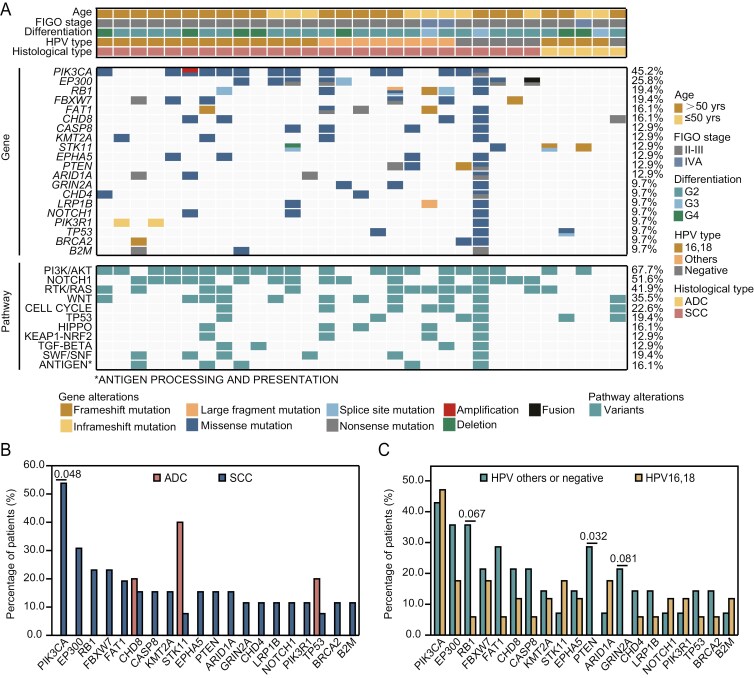 Figure 1
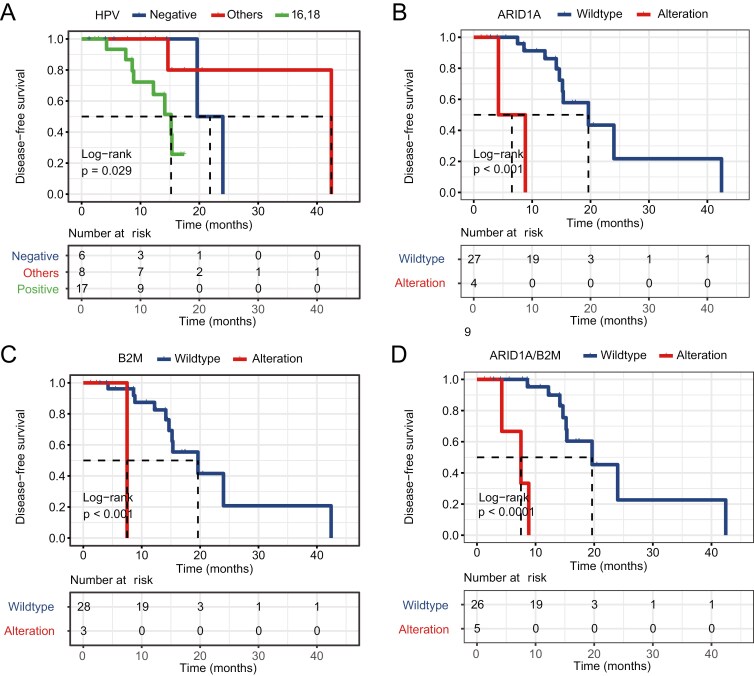 Figure 2
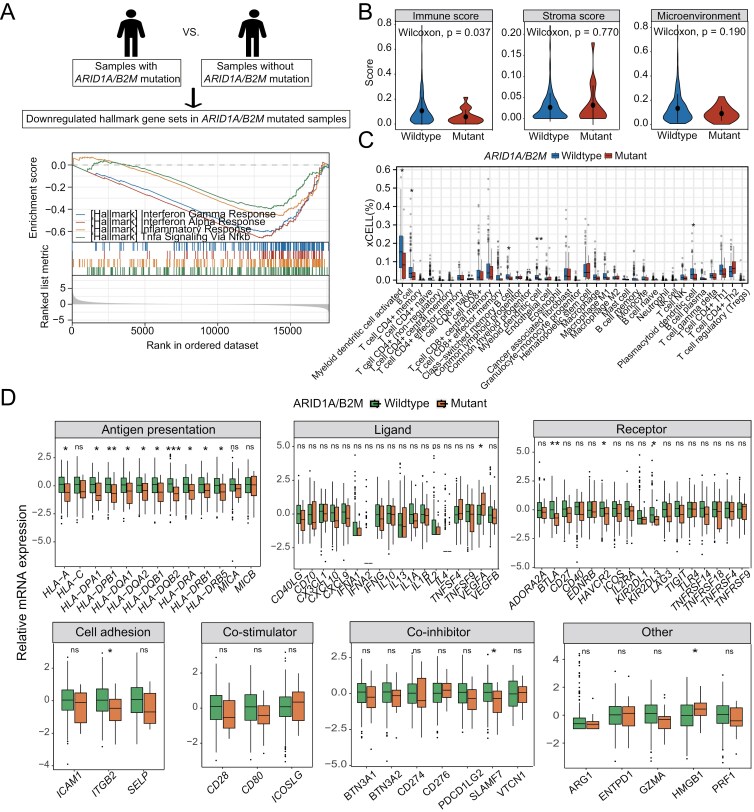 Figure 3
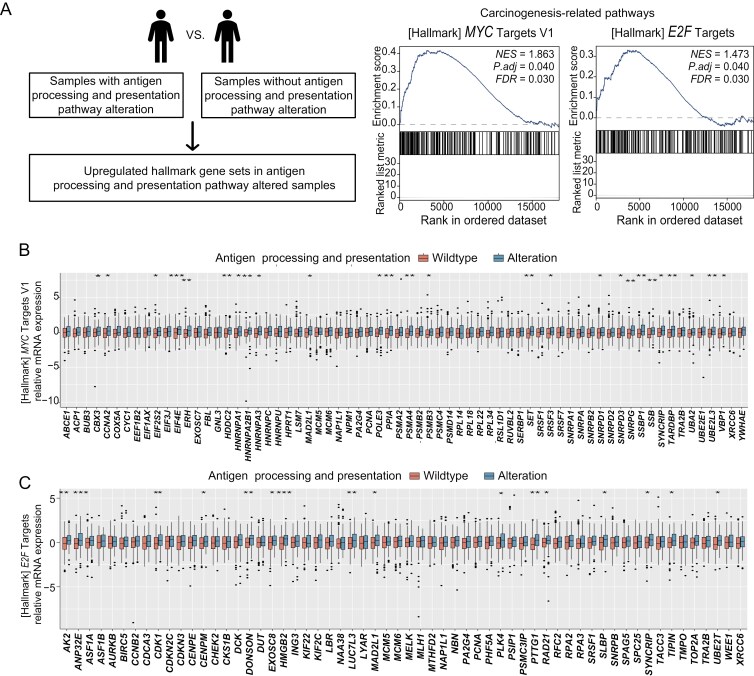 Figure 4
Peer Reviews
No public reviews on file for this paper yet. If you reviewed it on a platform where reviews are public (OpenReview, ICLR, NeurIPS, ICML), you can paste yours below so the community can read it here.
Videos
No videos yet. Explain this paper in a talk, walkthrough, or lecture? Add one.
Taxonomy
TopicsChromatin Remodeling and Cancer · Cancer Mechanisms and Therapy · Peptidase Inhibition and Analysis