Genetics of PLCG2 expression and splicing relative to Alzheimer’s disease risk
Andrew K. Turner, Kennedy Dotson, Qi Qiao, Kailey Cain, James F. Simpson, David W. Fardo, Steven Estus

TL;DR
This study shows how two genetic variants influence PLCG2 expression and splicing, contributing to Alzheimer's disease risk through altered protein function.
Contribution
Identifies rs1071644 as a novel functional variant affecting PLCG2 splicing and AD risk independently of known variants.
Findings
The rs12445675 genotype affects the ratio of LNC-PLCG2 to canonical PLCG2 in human brain and blood samples.
The rs1071644-T allele increases D65-PLCG2 expression and is independently associated with higher AD risk.
D65-PLCG2 is unstable and non-functional in calcium signaling, suggesting a loss of PLCG2 function.
Abstract
PLCG2 is associated with the risk of Alzheimer’s disease (AD) through a rare missense polymorphism, rs72824905 (P522R) as well as a common variant, rs12445675, within a long non-coding RNA adjacent to PLCG2. Elucidating the impact of genetics on PLCG2 expression and splicing will provide insights into the role of PLCG2 in AD risk and, potentially, treatments that might reduce AD risk. To evaluate PLCG2 expression and splicing as a function of AD genetics. PLCG2 isoform expression was detected by PCR and quantified by qPCR in AD and non-AD brain samples and in blood buffy coat samples. The function of a genetic variant, rs107164, was tested by using a minigene approach with both alleles in murine BV-2 microglial cells. The impact of ectopic splicing factor expression on PLCG2 minigene splicing was also tested in BV-2 cells. The extent that endogenous levels of a novel PLCG2 mRNA…
Genes, proteins, chemicals, diseases, species, mutations and cell lines named across the full text — each resolved to its canonical identifier and authoritative record.
Click any figure to enlarge with its caption.
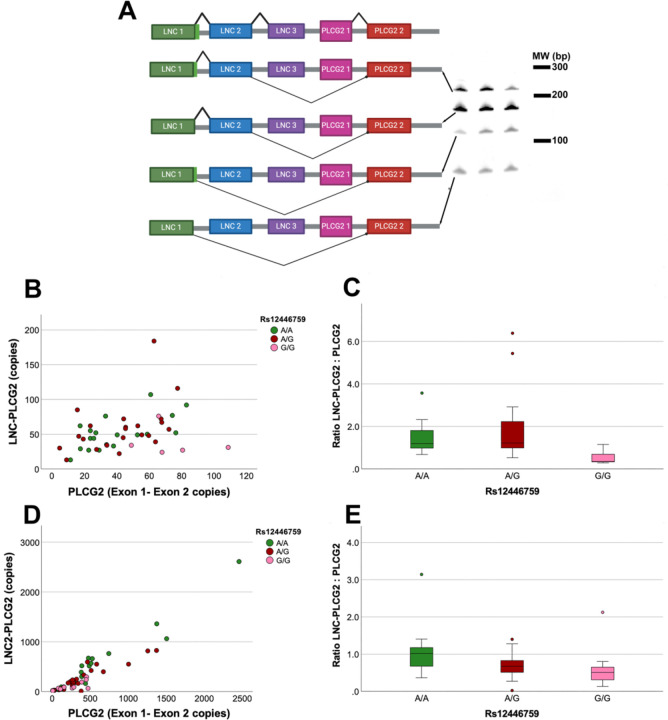 Figure 1
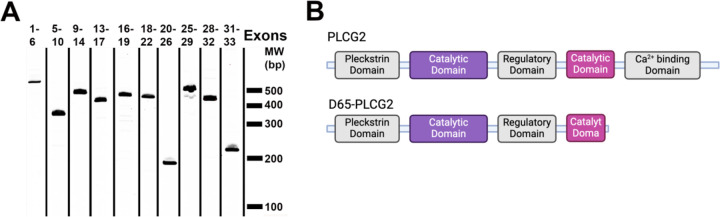 Figure 2
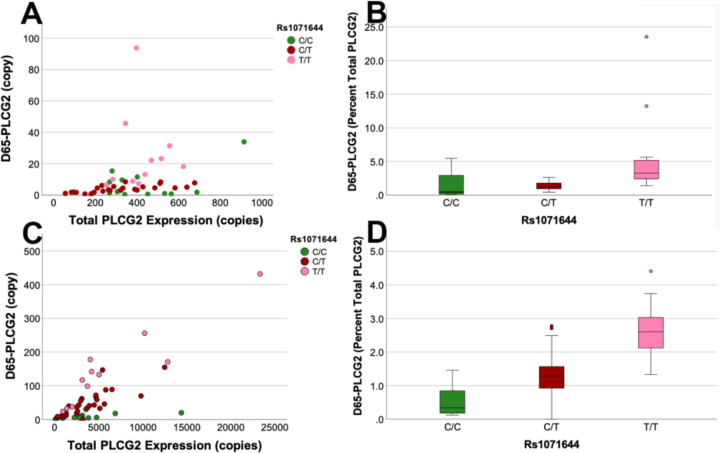 Figure 3
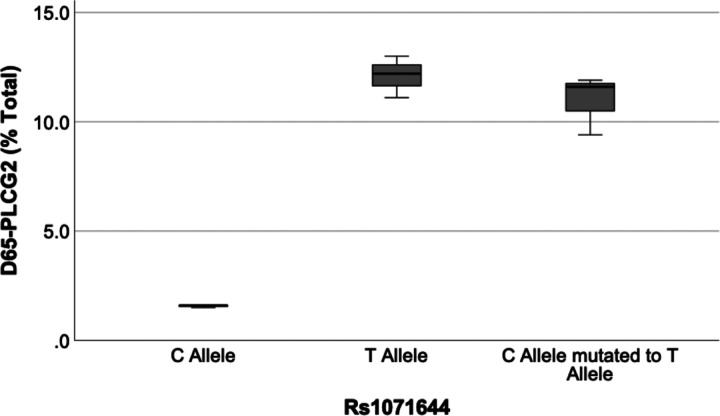 Figure 4
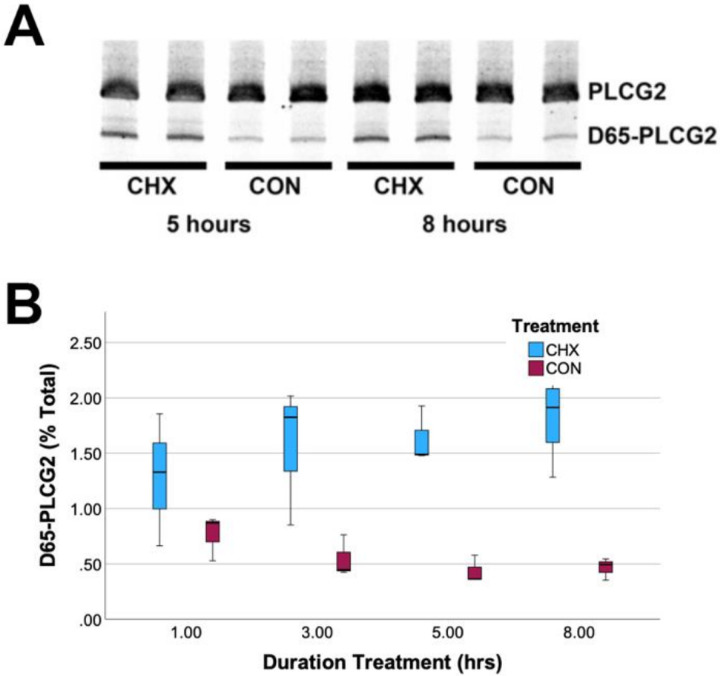 Figure 5
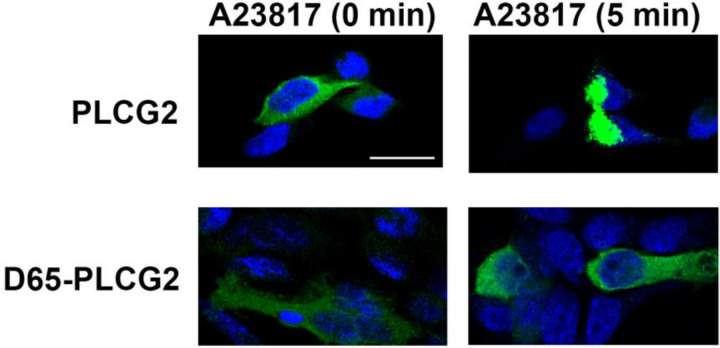 Figure 6
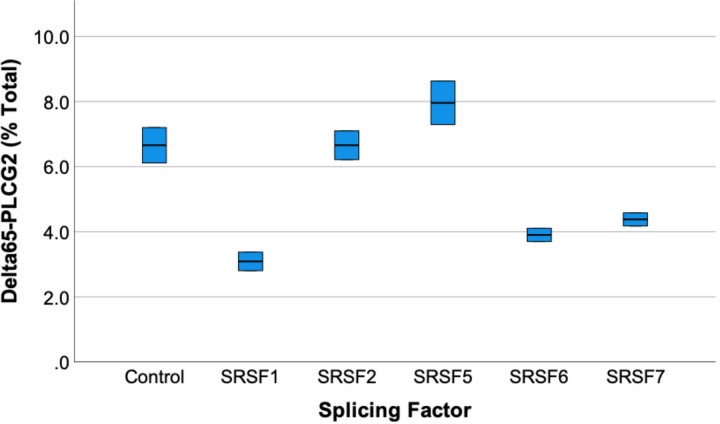 Figure 7
Peer Reviews
No public reviews on file for this paper yet. If you reviewed it on a platform where reviews are public (OpenReview, ICLR, NeurIPS, ICML), you can paste yours below so the community can read it here.
Videos
No videos yet. Explain this paper in a talk, walkthrough, or lecture? Add one.
Taxonomy
TopicsRNA Research and Splicing · Mitochondrial Function and Pathology · RNA modifications and cancer