GenomePAM directs PAM characterization and engineering of CRISPR-Cas nucleases using mammalian genome repeats
Zongli Zheng, Miao Yu, Limei Ai, Bang Wang, Shifeng Lian, James Liu, Linxian Li, Shengdar Tsai, Benjamin Kleinstiver, Lawrence Ip

TL;DR
GenomePAM is a new method for characterizing and engineering CRISPR-Cas nucleases in mammalian cells using genomic repeats, enabling scalable and accurate PAM analysis.
Contribution
GenomePAM introduces a scalable, mammalian cell-based method for PAM characterization without synthetic oligos or protein purification.
Findings
GenomePAM accurately characterizes PAM requirements for type II and V nucleases, including SpRY and CjCas9.
The method enables simultaneous comparison of Cas nuclease activities and fidelities across thousands of genomic sites.
GenomePAM provides insights into genome-wide chromatin accessibility profiles in different cell types.
Abstract
Characterizing the protospacer adjacent motif (PAM) requirements of different Cas enzymes is a bottleneck in the discovery of Cas proteins and their engineered variants in mammalian cell contexts. To overcome this challenge and to enable more scalable characterization of PAM preferences, we develop a method named GenomePAM that allows for direct PAM characterization in mammalian cells. GenomePAM leverages genomic repetitive sequences as target sites and does not require protein purification or synthetic oligos. GenomePAM uses a 20-nt protospacer that occurs ~16,942 times in every human diploid cell and is flanked by nearly random sequences. We demonstrate that GenomePAM can accurately characterize the PAM requirement of type II and type V nucleases, including the minimal PAM requirement of the near-PAMless SpRY and extended PAM for CjCas9. Beyond PAM characterization, GenomePAM allows…
Genes, proteins, chemicals, diseases, species, mutations and cell lines named across the full text — each resolved to its canonical identifier and authoritative record.
Click any figure to enlarge with its caption.
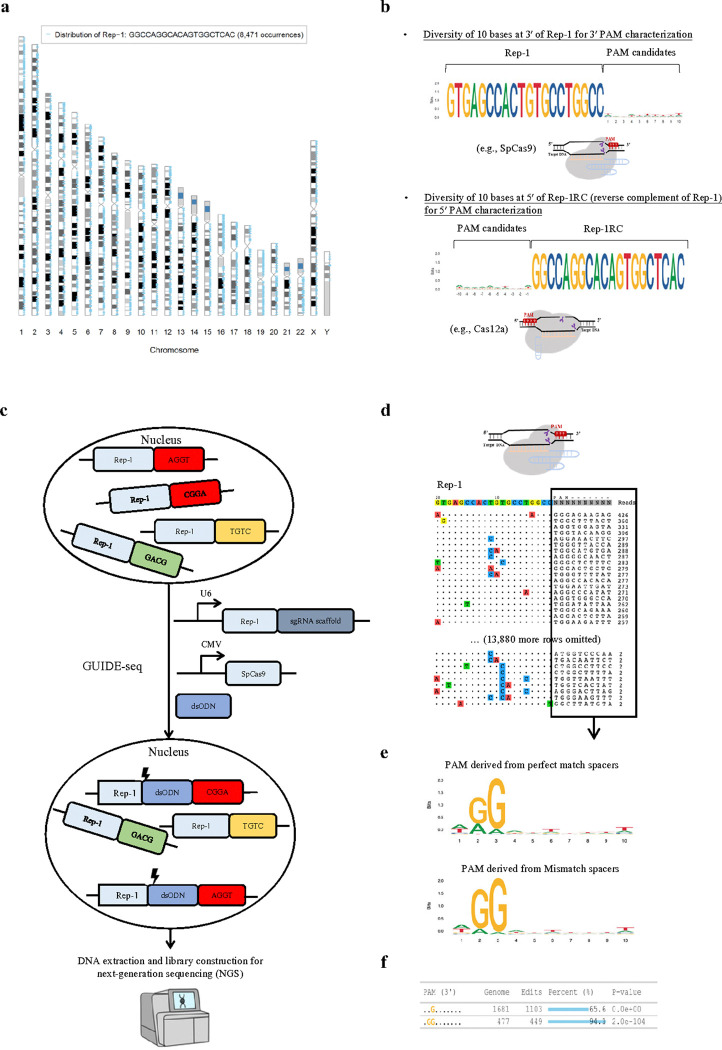 Figure 1
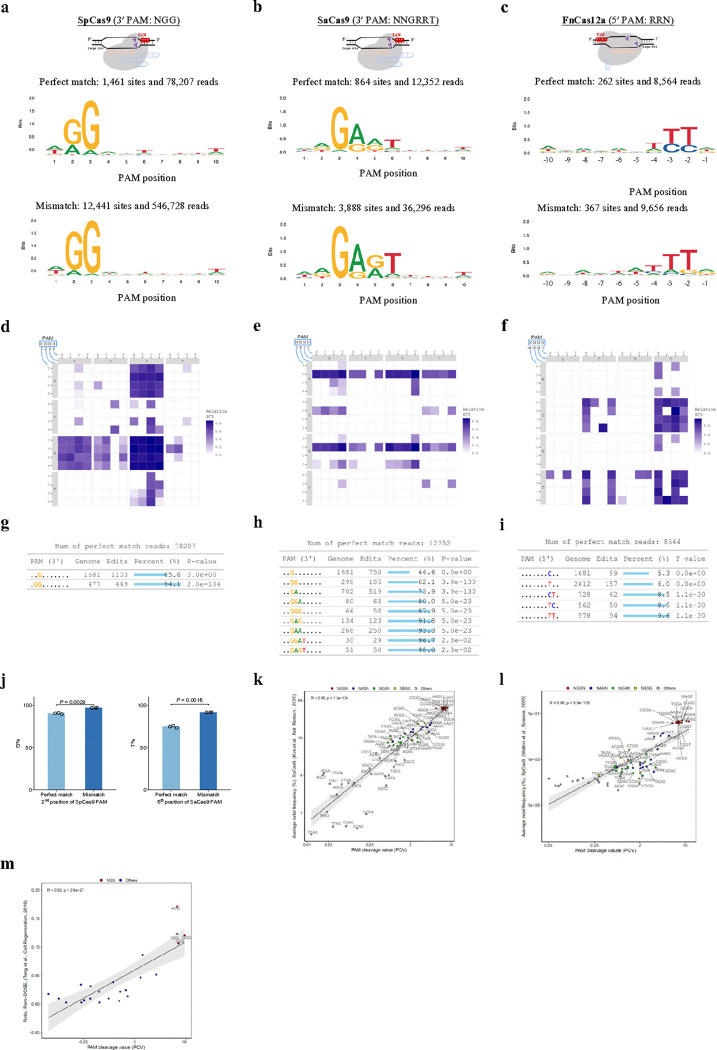 Figure 2
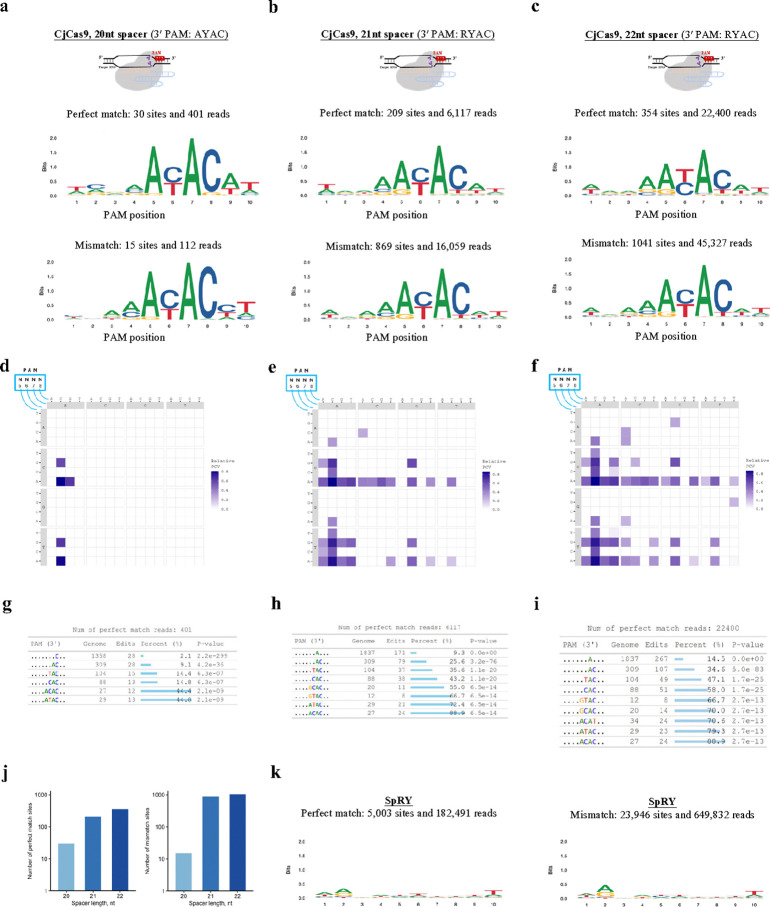 Figure 3
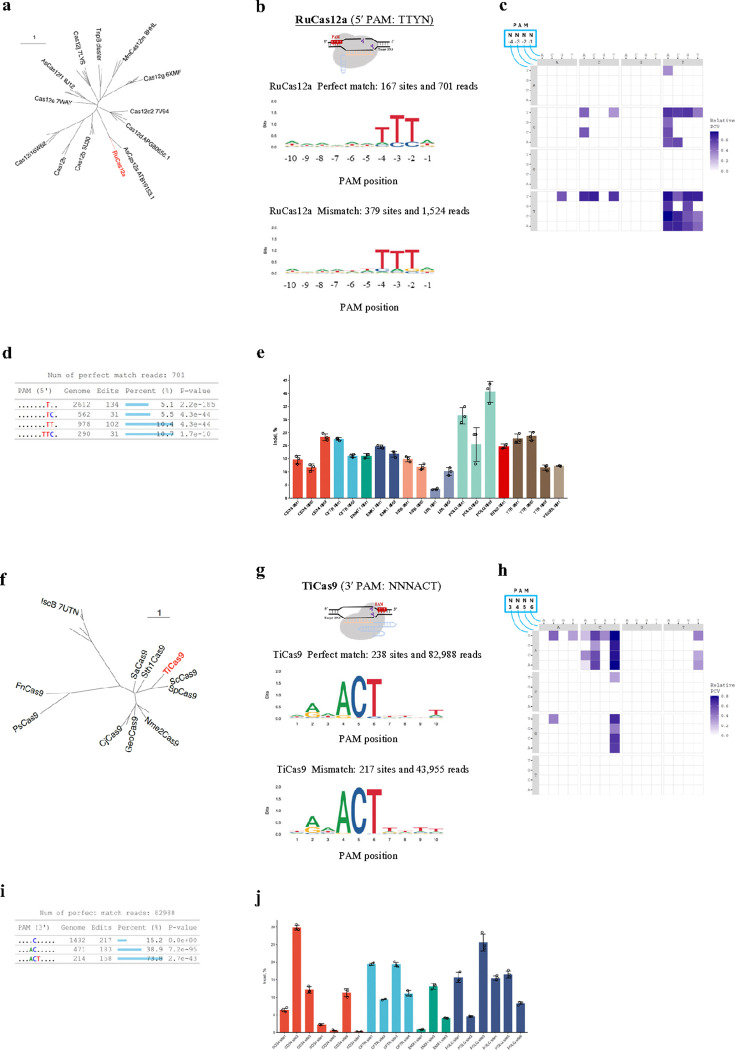 Figure 4
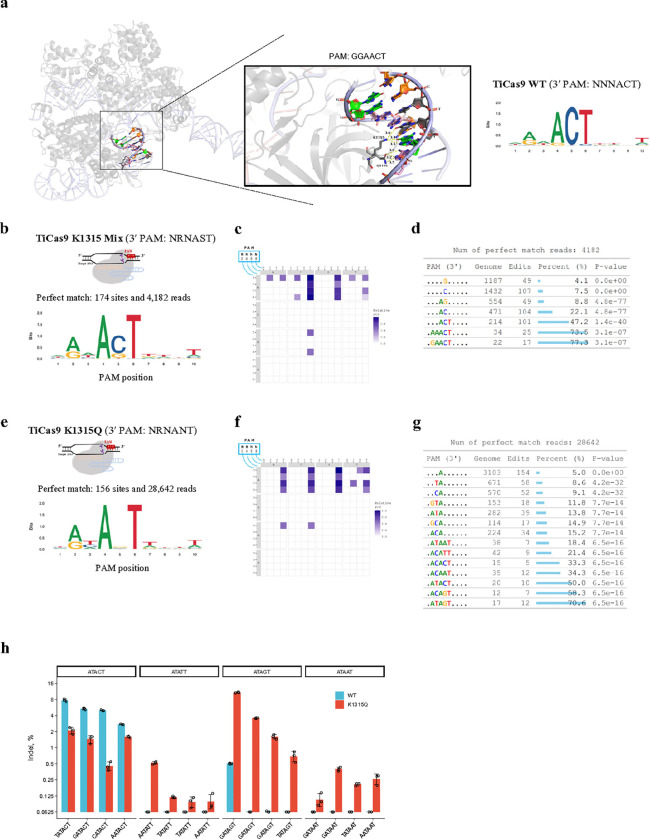 Figure 5
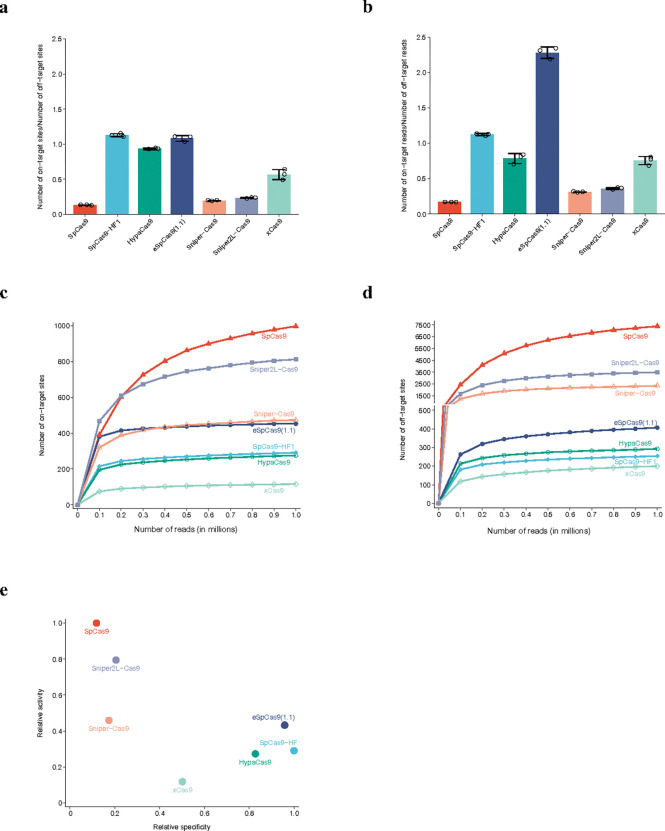 Figure 6
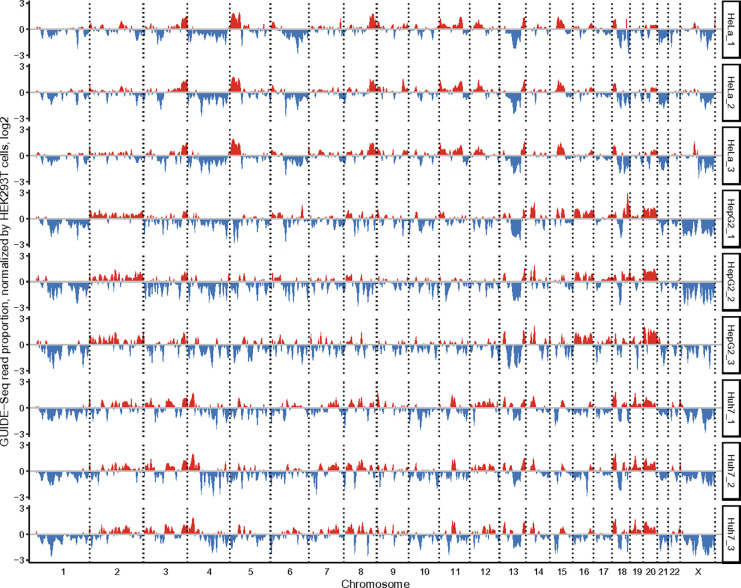 Figure 7
Peer Reviews
No public reviews on file for this paper yet. If you reviewed it on a platform where reviews are public (OpenReview, ICLR, NeurIPS, ICML), you can paste yours below so the community can read it here.
Videos
No videos yet. Explain this paper in a talk, walkthrough, or lecture? Add one.
Taxonomy
TopicsCRISPR and Genetic Engineering