A Next-Generation Human Lymphatic Filariasis Vaccine Candidate, rBmHAXT, for Clinical Development
Nithila Saravanan, Sean Gray, Jennifer Davis, Conrad M Puff-Carter, Vishal Khatri, Nikhil Chauhan, Darrick Carter, Ramaswamy Kalyanasundaram

TL;DR
Researchers developed a new vaccine candidate for lymphatic filariasis that is stable and effective, suitable for large-scale production and clinical trials.
Contribution
A novel vaccine variant, delta-Cys rBmHAXT, was created with improved stability and reduced aggregation for industrial-scale manufacturing.
Findings
The delta-Cys variant retained immunogenicity and vaccine efficacy similar to the original rBmHAXT protein.
The delta-Cys variant was stable at 25°C for six weeks, making it suitable for cGMP manufacturing.
All vaccine preparations remained stable at 4°C, with the delta-Cys variant showing reduced aggregation.
Abstract
This study was conducted to yield a robust and scalable manufacturing process for a candidate vaccine for human lymphatic filariasis (LF) - a tropical parasitic infection transmitted by mosquitoes. In previous studies, we demonstrated that removing an affinity purification tag from the fusion protein did not affect immunogenicity or vaccine efficacy. During scaled-up production of rBmHAXT, we noticed that significant amounts of the antigen aggregated, resulting in the loss of purified vaccine antigens. Thus, this project aimed to create new rBmHAXT forms more suitable for industrial-scale production while maintaining robust protection. We generated three different variants: one with all the cysteinyl residues mutated to serinyl residues (delta-Cys), a second one with a flexible glycine-serine linker inserted between each of the component antigens (GS), and finally, a third variant with…
Genes, proteins, chemicals, diseases, species, mutations and cell lines named across the full text — each resolved to its canonical identifier and authoritative record.
Click any figure to enlarge with its caption.
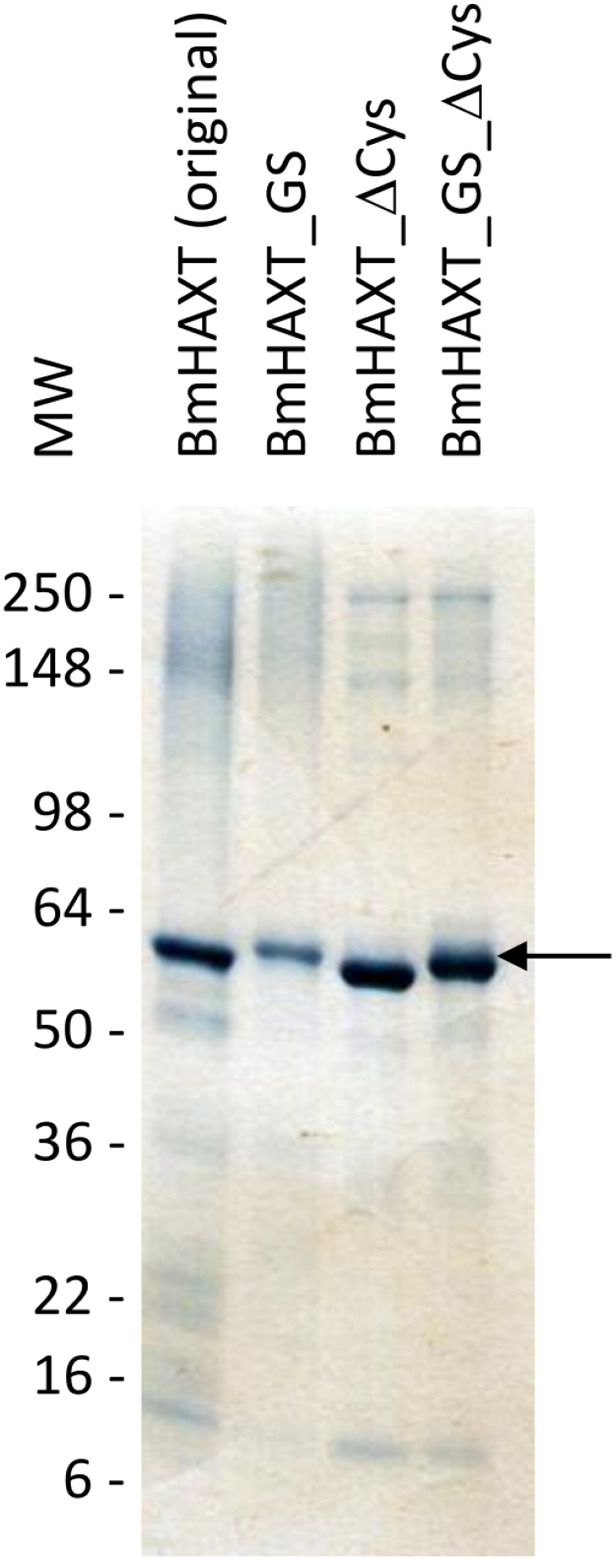 Figure 1
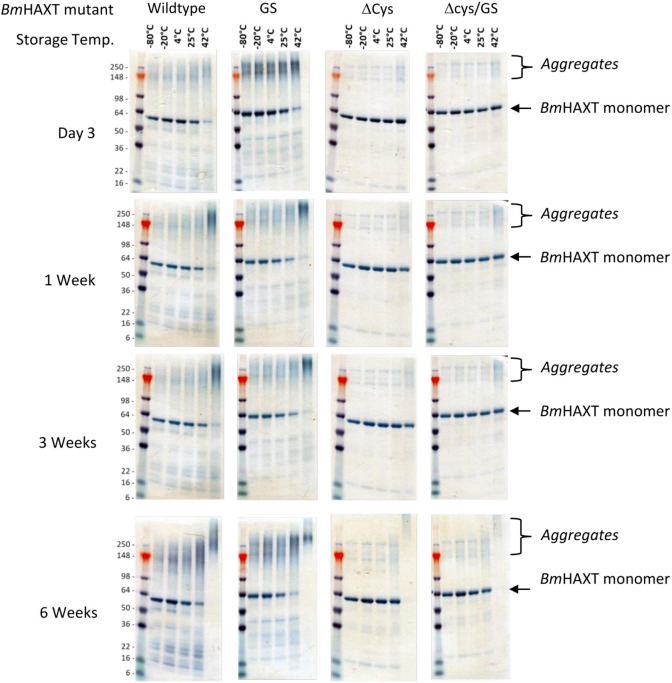 Figure 2
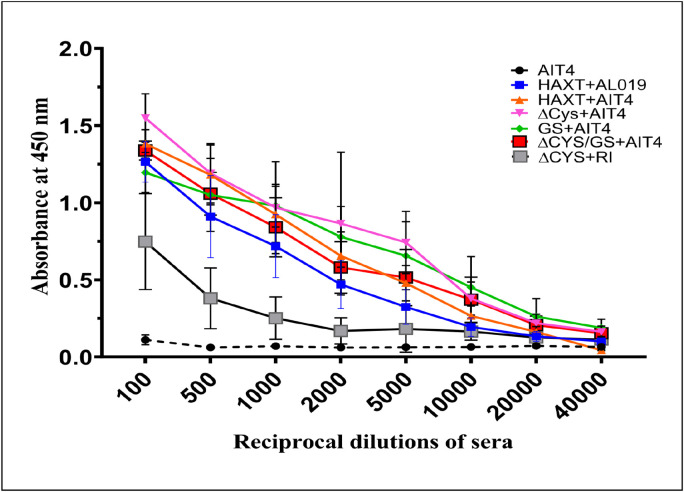 Figure 3
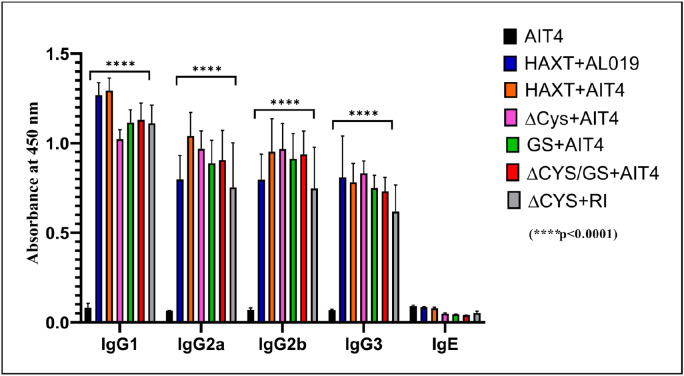 Figure 4
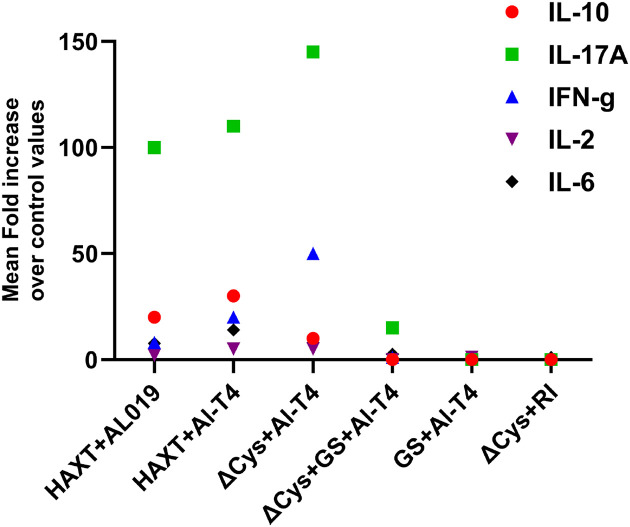 Figure 5
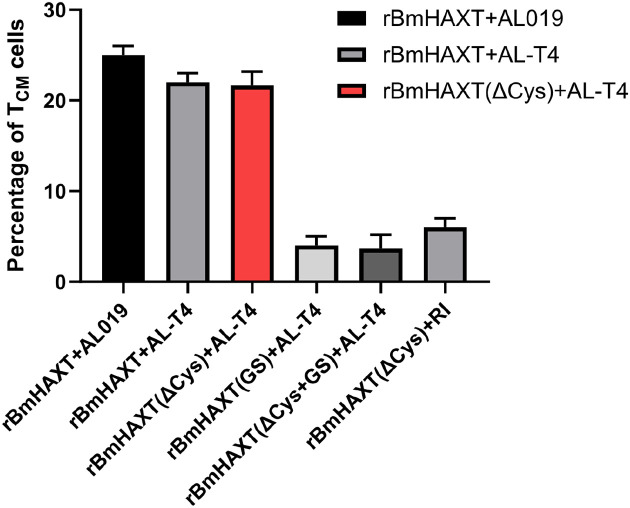 Figure 6
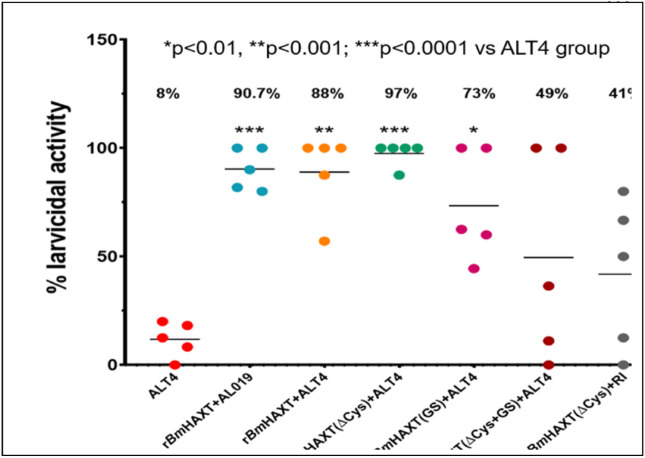 Figure 7
Peer Reviews
No public reviews on file for this paper yet. If you reviewed it on a platform where reviews are public (OpenReview, ICLR, NeurIPS, ICML), you can paste yours below so the community can read it here.
Videos
No videos yet. Explain this paper in a talk, walkthrough, or lecture? Add one.
Taxonomy
TopicsParasitic Diseases Research and Treatment · Parasites and Host Interactions · Mosquito-borne diseases and control