The genome of the polyextremophilic yeast, Naganishia friedmannii, reveals adaptations involved in stress response pathways, carbohydrate metabolism expansion, and a limited DNA repair repertoire
Lara Vimercati, Clifton P Bueno de Mesquita, Igor V Grigoriev, Sajeet Haridas, Steven K Schmidt, Alisha Quandt

TL;DR
The genome of a yeast found in extreme high-altitude environments reveals how it adapts to survive in harsh conditions.
Contribution
The study provides the first genome sequence of Naganishia friedmannii and identifies unique adaptations to extreme environments.
Findings
The genome contains stress-related proteins and expanded carbohydrate metabolism genes for survival on wind-blown organic matter.
The yeast has a reduced DNA repair and cell-cycle checkpoint system, possibly allowing faster reproduction in extreme conditions.
Comparative analysis highlights unique genomic features underlying its polyextremophilic lifestyle.
Abstract
Here we report the draft genome sequence of Naganishia friedmannii (formerly Cryptococcus friedmannii) isolate, a Basidiomycota yeast commonly found in some of the most extreme environments of the Earth's cryosphere. We isolated N. friedmannii strain Llullensis from soils at 6000 m above sea level on Volcán Llullaillaco, Argentina. The genome was 22.2 Mb with 6251 identified protein coding genes. Proteins known to be associated with thermal, osmotic, and radiation stress were identified in the genome. Comparative analysis with seven other Naganishia genomes revealed unique features underlying its polyextremophilic lifestyle. Naganishia friedmannii showed an expansion of genes involved in breaking down plant-derived carbohydrates, supporting the hypothesis that it survives at high elevations by metabolizing wind-deposited organic matter. Surprisingly, many genes involved in cell-cycle…
Genes, proteins, chemicals, diseases, species, mutations and cell lines named across the full text — each resolved to its canonical identifier and authoritative record.
Click any figure to enlarge with its caption.
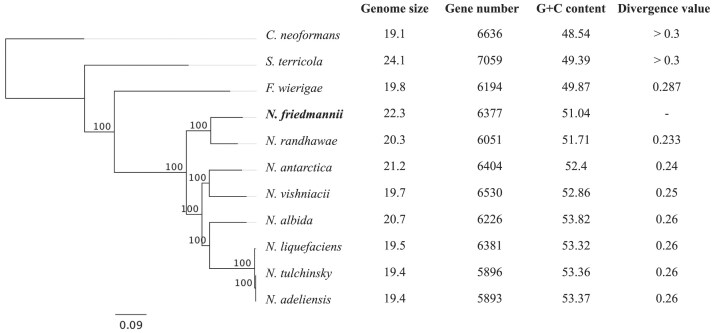 Figure 1
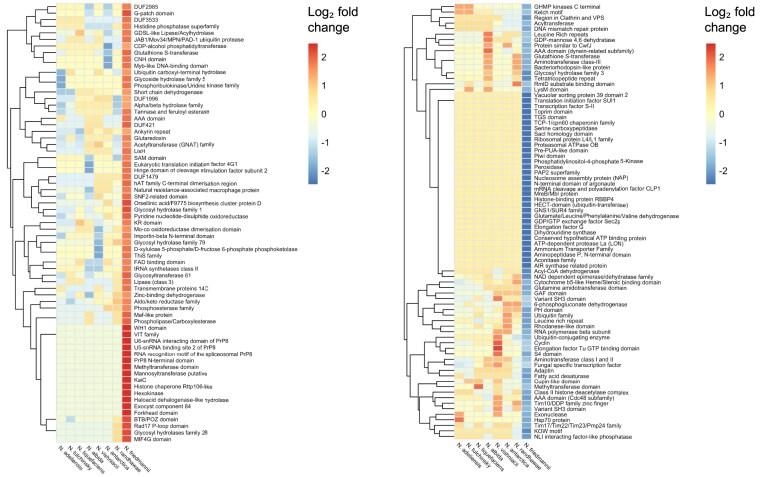 Figure 2
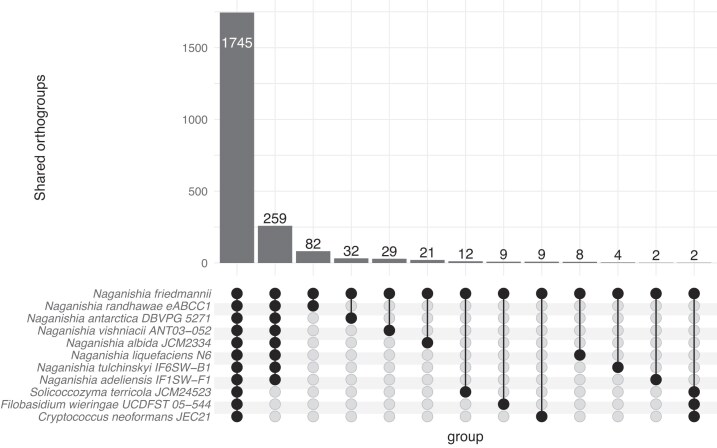 Figure 3
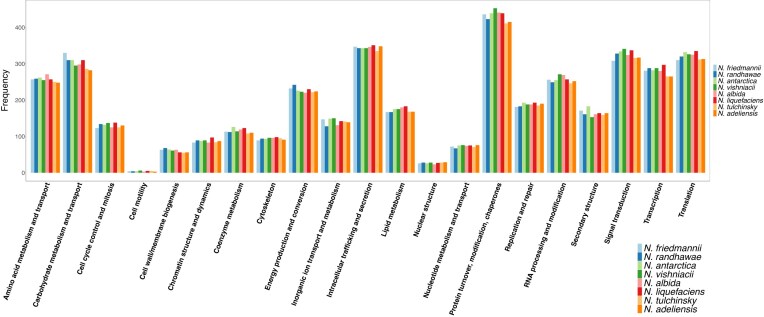 Figure 4
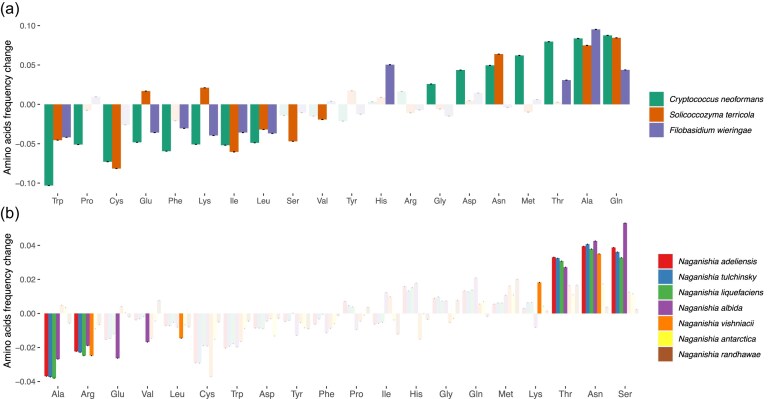 Figure 5
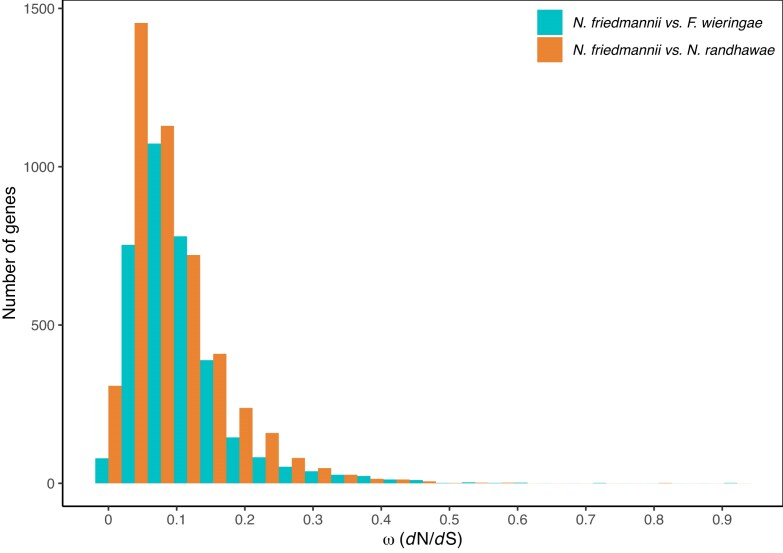 Figure 6
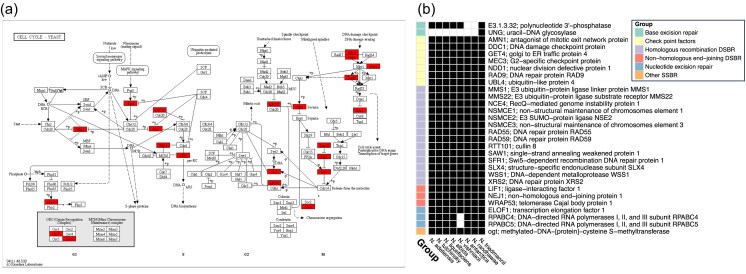 Figure 7
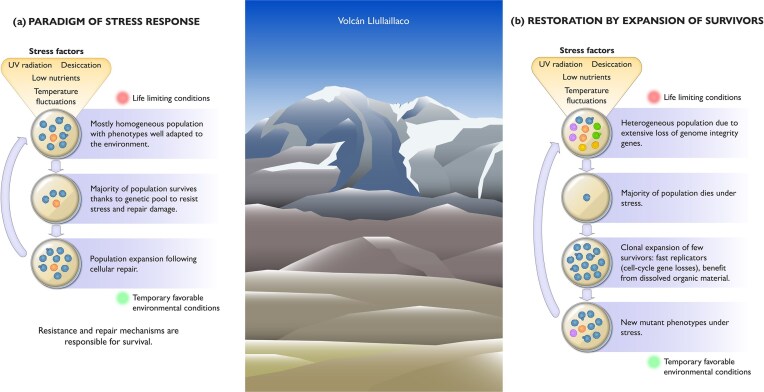 Figure 8
Peer Reviews
No public reviews on file for this paper yet. If you reviewed it on a platform where reviews are public (OpenReview, ICLR, NeurIPS, ICML), you can paste yours below so the community can read it here.
Videos
No videos yet. Explain this paper in a talk, walkthrough, or lecture? Add one.
Taxonomy
TopicsPolar Research and Ecology · Yeasts and Rust Fungi Studies · Genomics and Phylogenetic Studies