Neuromedin U Deficiency Disrupts Daily Testosterone Fluctuation and Reduces Wheel-Running Activity in Rats
Mai Otsuka, Yu Takeuchi, Maho Moriyama, Sakura Egoshi, Yuki Goto, Tingting Gu, Atsushi P Kimura, Shogo Haraguchi, Taishi Yoshii, Sakae Takeuchi, Makoto Matsuyama, George E Bentley, Sayaka Aizawa

TL;DR
This study shows that Neuromedin U in rats helps regulate daily testosterone changes and wheel-running activity.
Contribution
The study reveals a novel role of Neuromedin U in regulating testosterone and motivated behavior in male rats.
Findings
NMU knockout male rats showed reduced wheel-running activity compared to wildtype rats.
NMU deficiency disrupts daily testosterone fluctuations in male rats.
Testosterone administration restored wheel-running activity in NMU knockout rats.
Abstract
The objective of this study was to elucidate the role of endogenous Neuromedin U (NMU) in rats by performing NMU knockout (KO). Male, but not female NMU KO rats exhibited decreased wheel-running activity vs wildtype (WT), although overall home cage activity was not affected. Plasma testosterone in WT rats varied significantly over the course of a day, with a peak at ZT1 and a nadir at ZT18, whereas in NMU KO rats testosterone remained stable throughout the day. Chronic administration of testosterone restored wheel-running activity in NMU KO rats to the same level as in WT rats, suggesting that the decrease in wheel-running activity in NMU KO rats is due to the disruption of the diurnal change of testosterone. Accordingly, expression of the luteinizing hormone beta subunit (Lhb) mRNA in the pars distalis of anterior pituitary was significantly lower in NMU KO rats; immunostaining…
Genes, proteins, chemicals, diseases, species, mutations and cell lines named across the full text — each resolved to its canonical identifier and authoritative record.
Click any figure to enlarge with its caption.
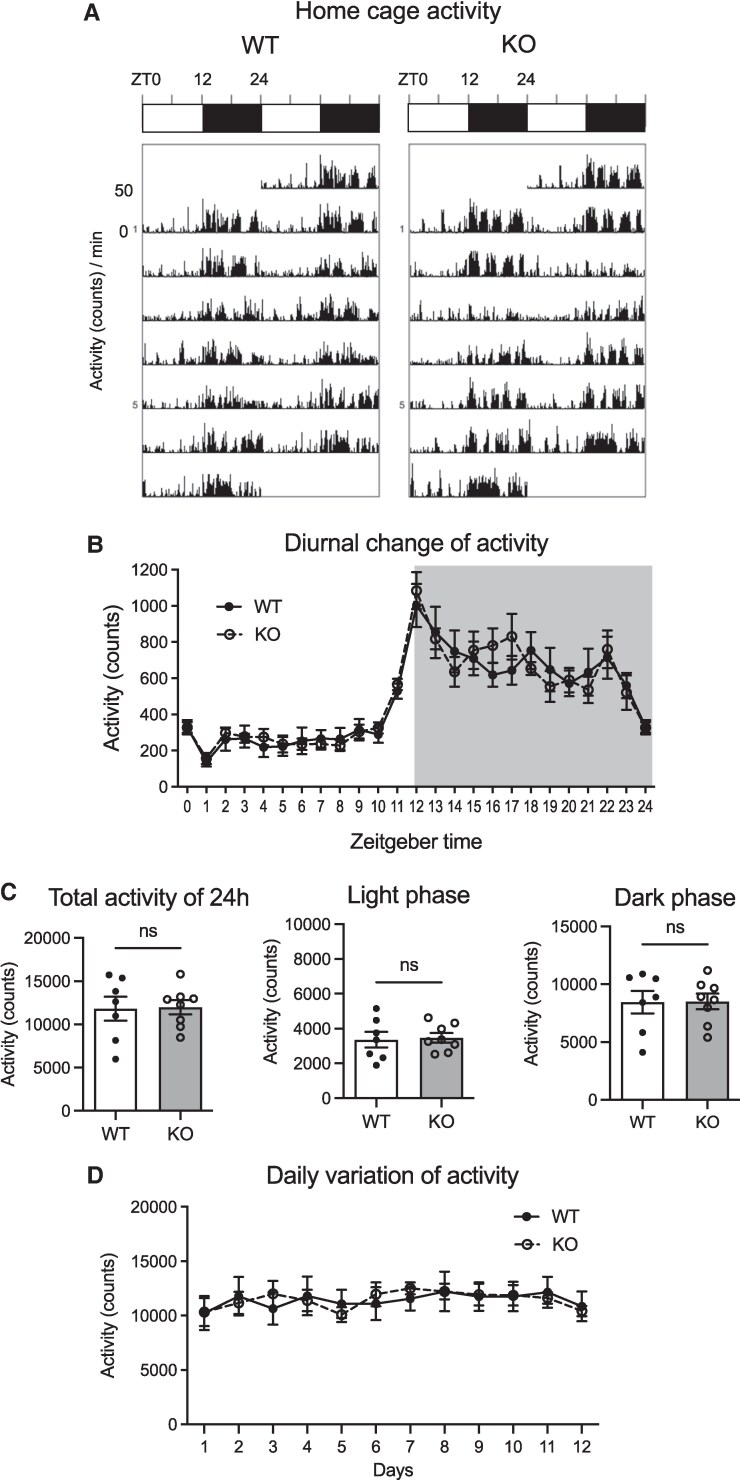 Figure 1
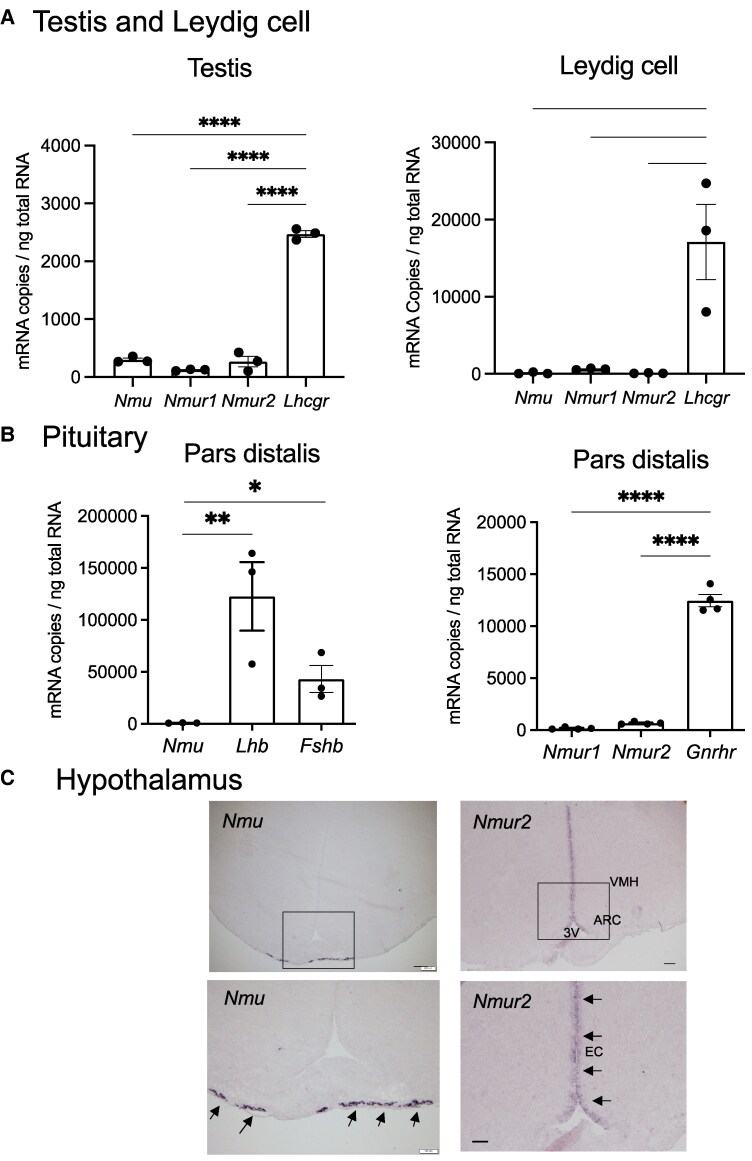 Figure 2
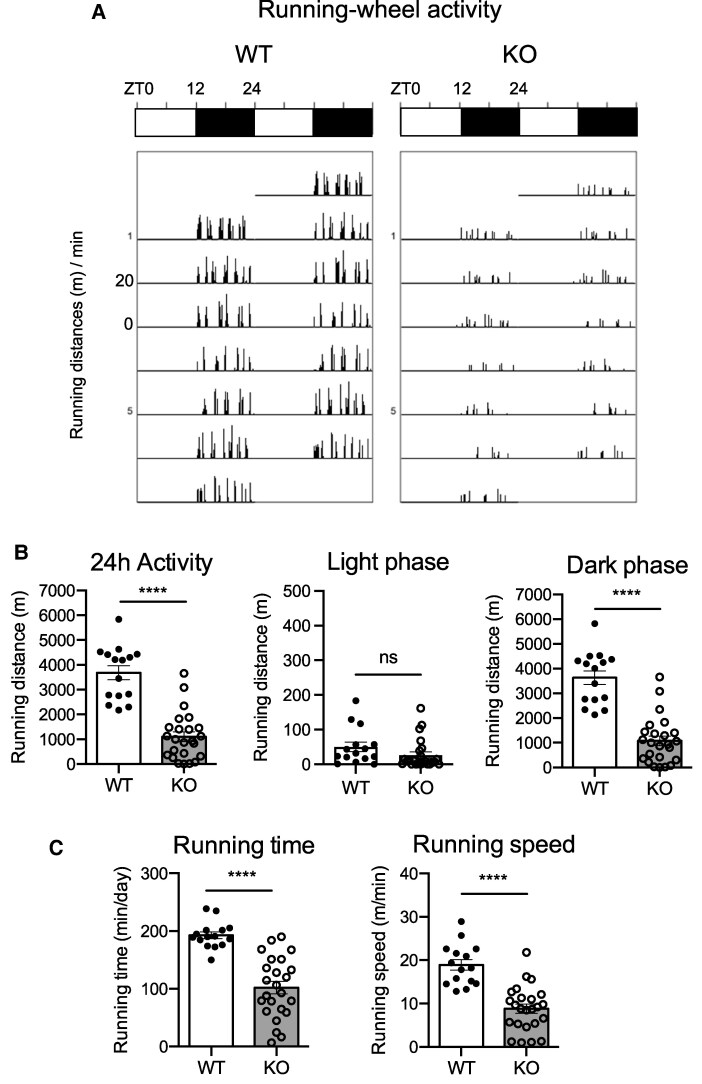 Figure 3
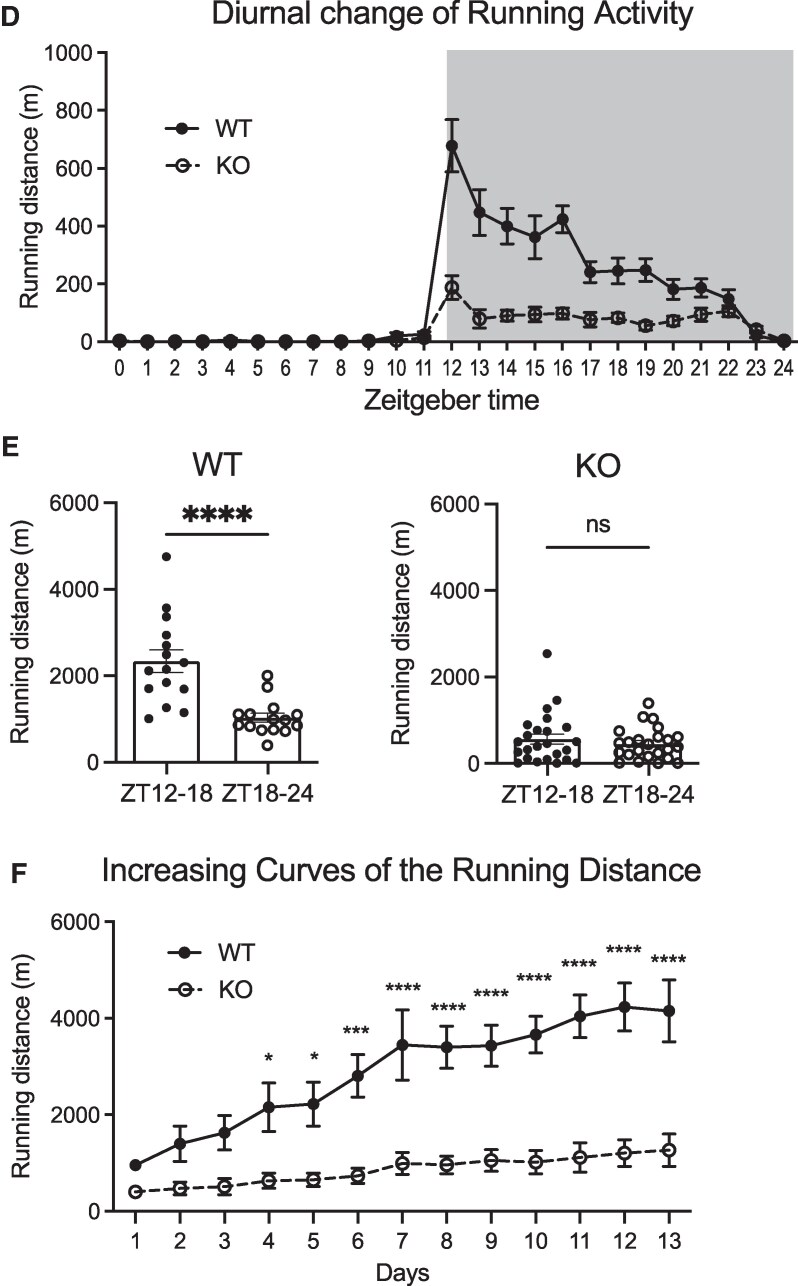 Figure 4
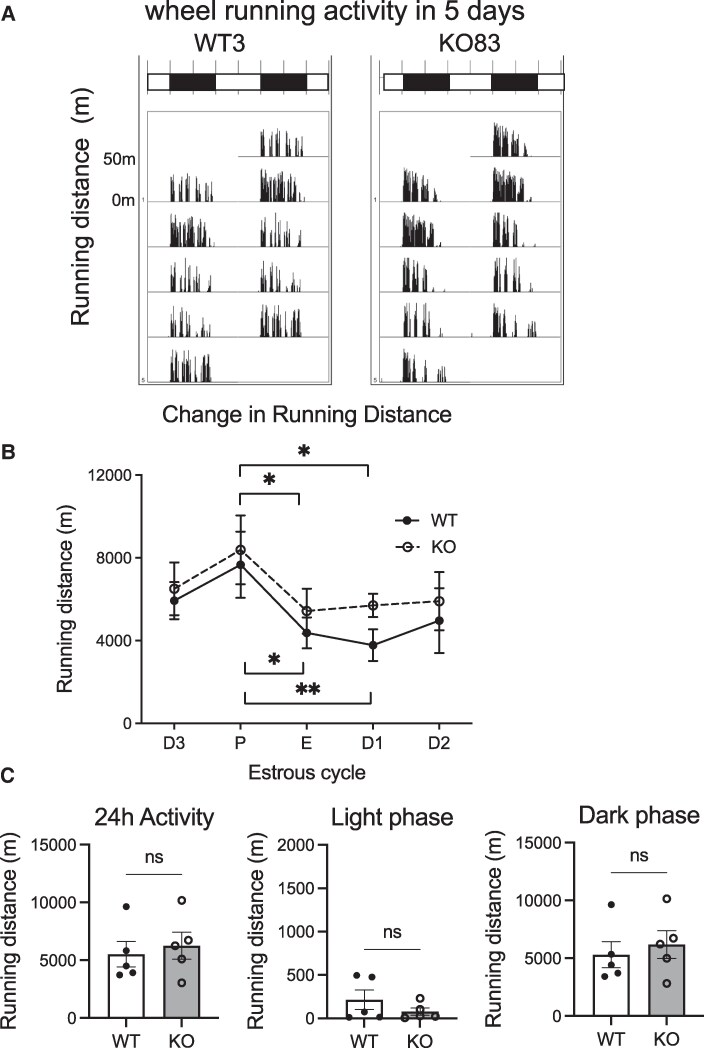 Figure 5
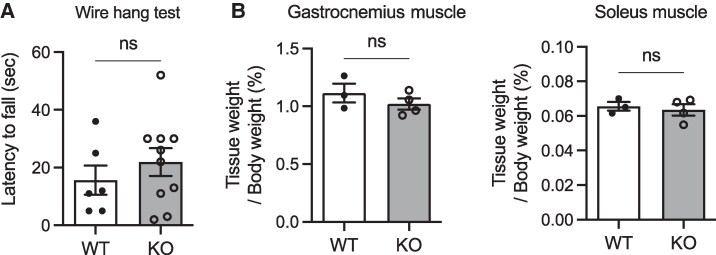 Figure 6
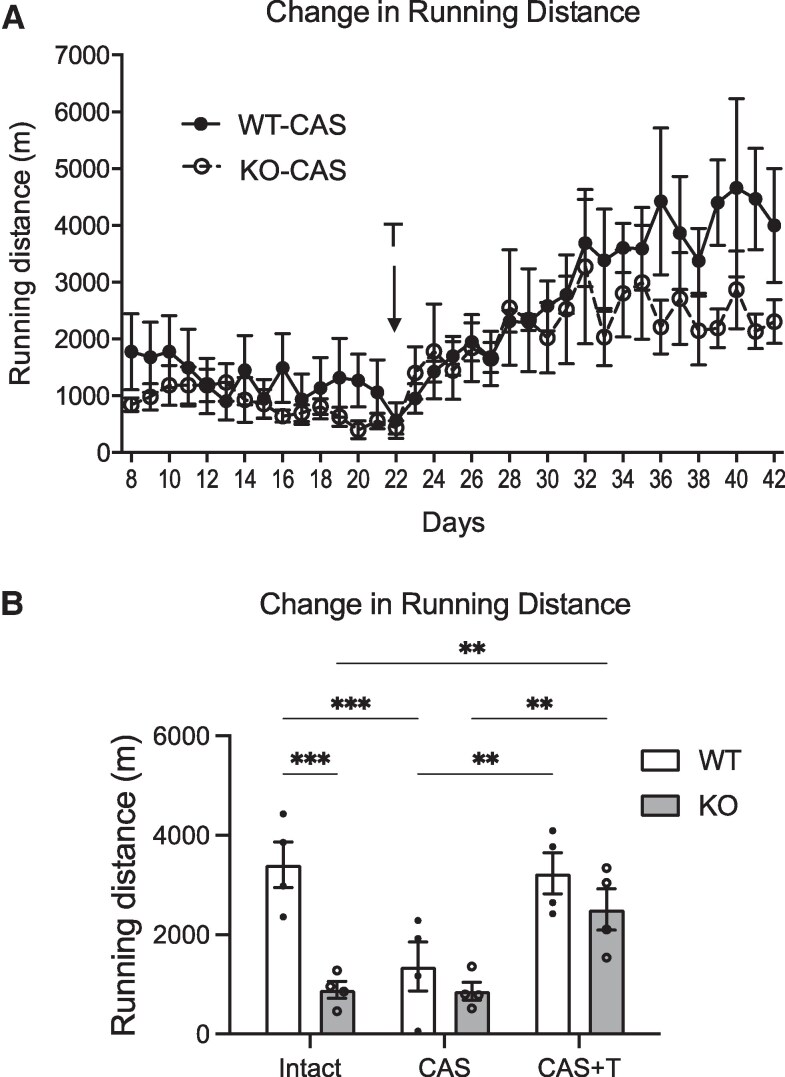 Figure 7
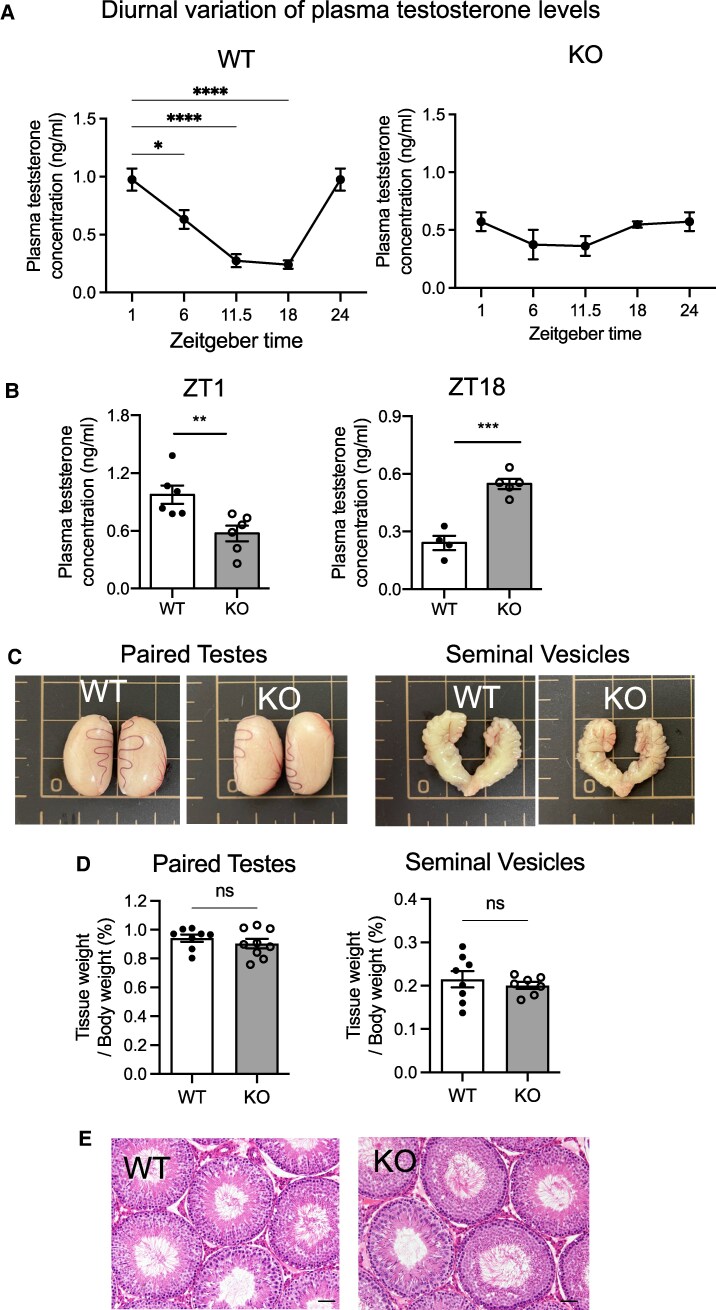 Figure 8
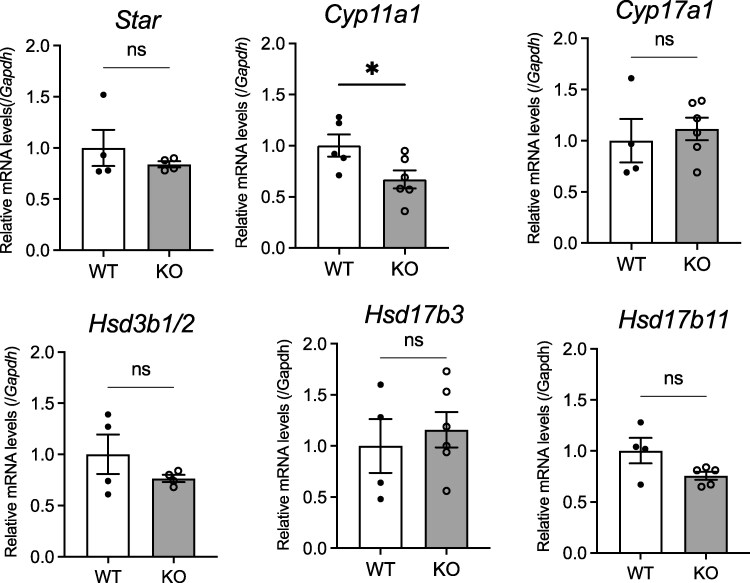 Figure 9
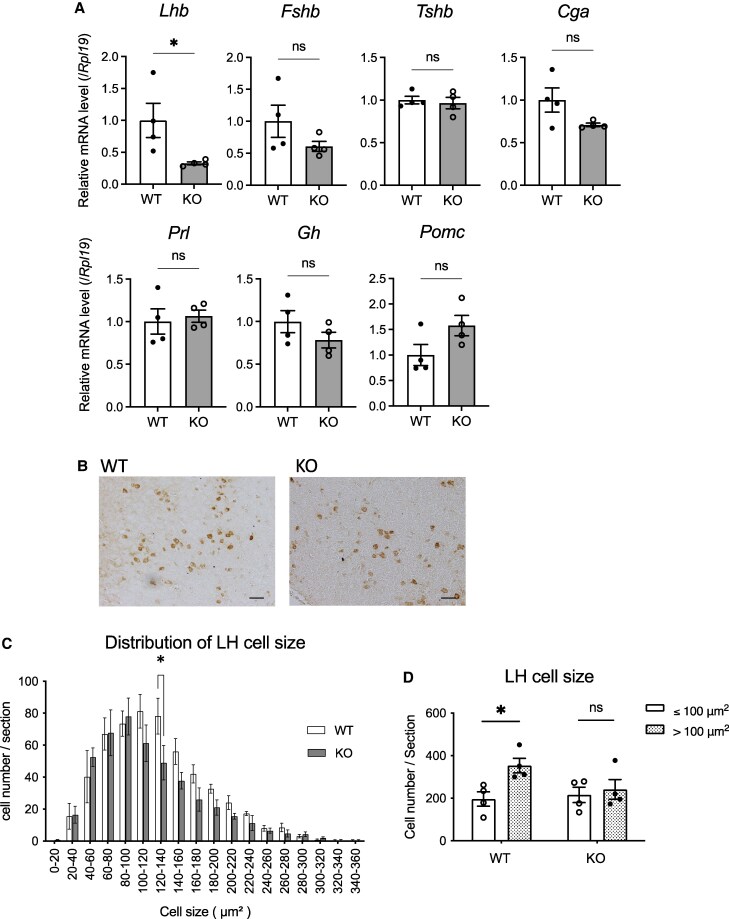 Figure 10
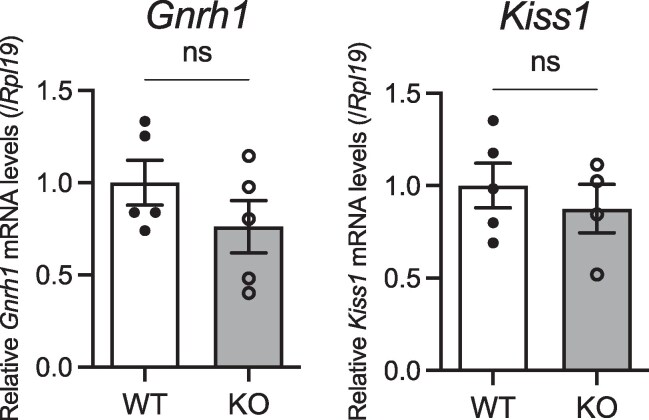 Figure 11
Peer Reviews
No public reviews on file for this paper yet. If you reviewed it on a platform where reviews are public (OpenReview, ICLR, NeurIPS, ICML), you can paste yours below so the community can read it here.
Videos
No videos yet. Explain this paper in a talk, walkthrough, or lecture? Add one.
Taxonomy
TopicsNeuropeptides and Animal Physiology · Hormonal and reproductive studies · Receptor Mechanisms and Signaling