Analysis of short tandem repeats linked to polyglutamine diseases from whole-genome sequencing reveals intermediate alleles of HTT associated with an early disease onset in C9orf72 carriers
Mathieu Barbier, Thomas Gareau, Agnès Camuzat, Marine Guillaud-Bataille, Susana Boluda, Fabienne Clot, Lara Araktingi, Barbara Borroni, Julie van der Zee, Roberta Ghidoni, Sonia Bellini, Daniela Galimberti, Giacomina Rossi, Benedetta Nacmias, Beatriz De la Casa-Fages, Pau Pastor

TL;DR
This study finds that intermediate alleles of the HTT gene are linked to earlier disease onset in patients with C9orf72 expansions, suggesting a genetic connection between polyglutamine diseases.
Contribution
The study identifies HTT intermediate alleles as a novel genetic modifier of age at onset in C9orf72-related diseases using whole-genome sequencing.
Findings
HTT intermediate alleles are associated with earlier disease onset in C9orf72 carriers (average difference of 9.42 years).
No polyglutamine inclusions were found in a C9orf72 case with HTT-intermediate alleles.
No somatic expansion of HTT was detected in blood samples of C9orf72/HTT carriers.
Abstract
Carriers of the GGGGCC pathogenic expansion in C9orf72 can develop symptoms of frontotemporal dementia and/or amyotrophic lateral sclerosis, with variable and unpredictable ages at onset. Previous studies aiming to decipher the genetic bases of the clinical variability in this rare disease included bi-allelic polymorphisms, excluding short tandem repeats. Whole-genome sequencing data of 195 C9orf72 patients were used to consider all short tandem repeats linked to polyglutamine disorders as potential genetic modifiers given the existing links between C9orf72 and polyglutamine diseases. Intermediate alleles of HTT encoding huntingtin were associated with an earlier age at onset among C9orf72 carriers in the discovery cohort (n = 195, P = 0.0003) and in a European replication cohort (n = 145, P = 0.006). In the merged cohort (n = 340), the average difference of age at disease onset was…
Genes, proteins, chemicals, diseases, species, mutations and cell lines named across the full text — each resolved to its canonical identifier and authoritative record.
Click any figure to enlarge with its caption.
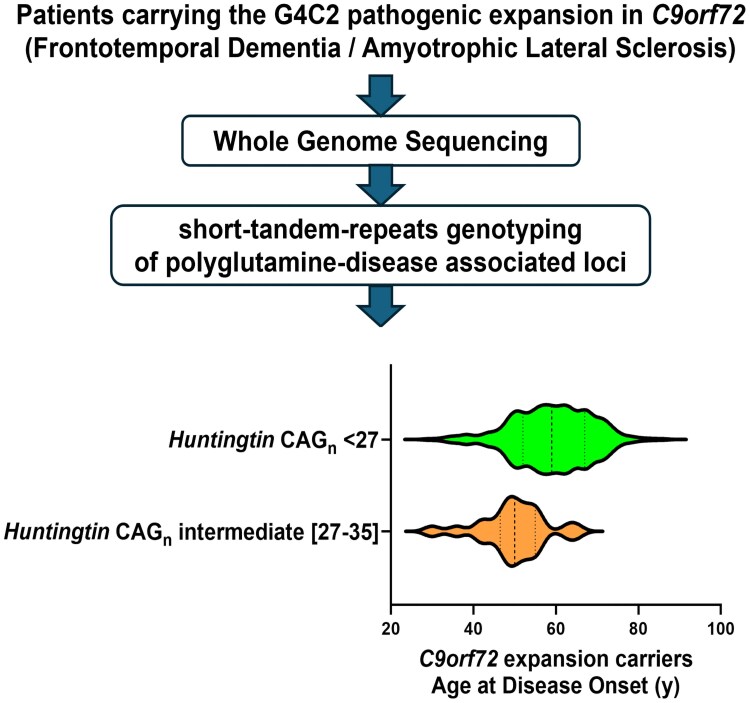 Figure 1
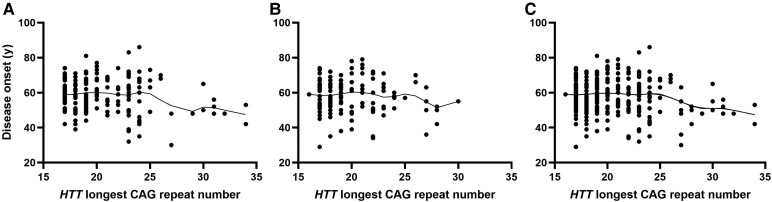 Figure 2
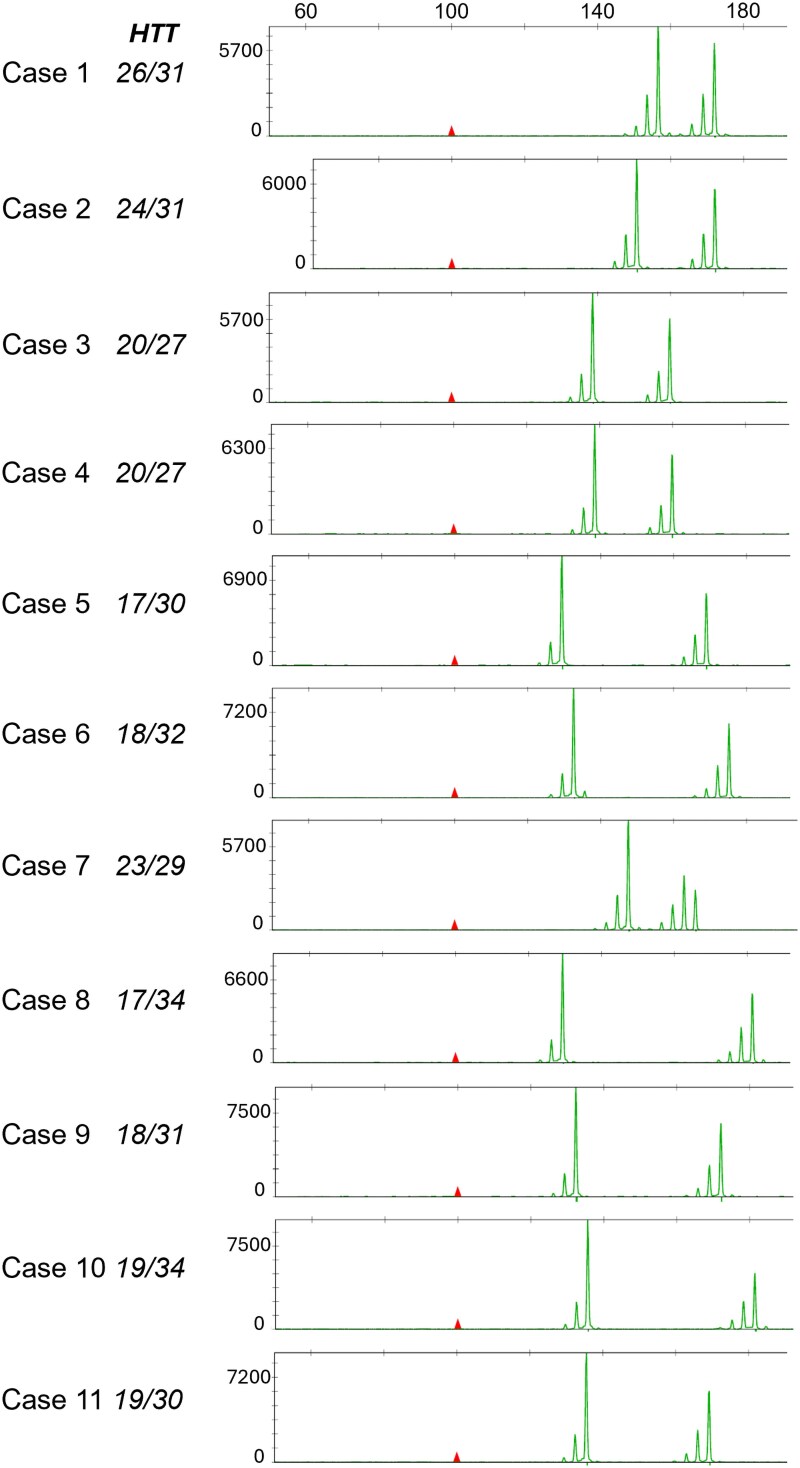 Figure 3
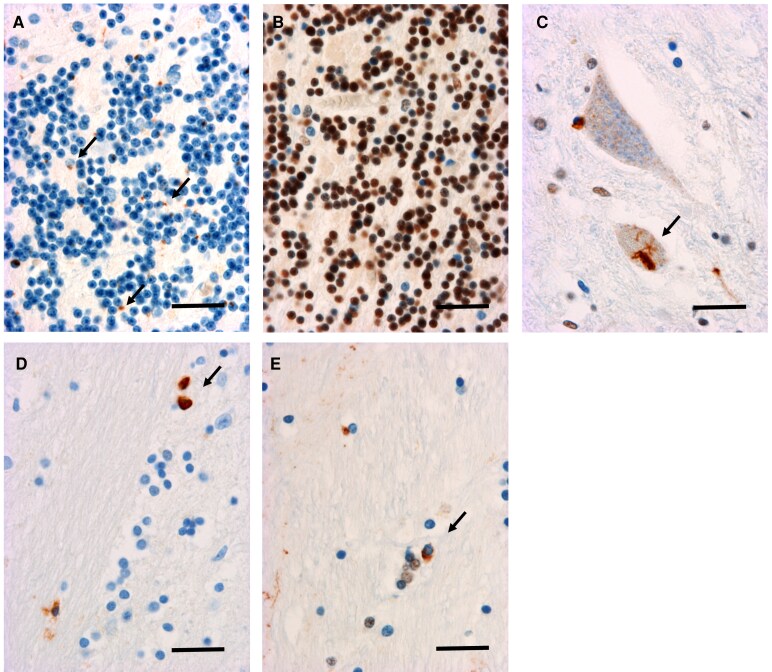 Figure 4
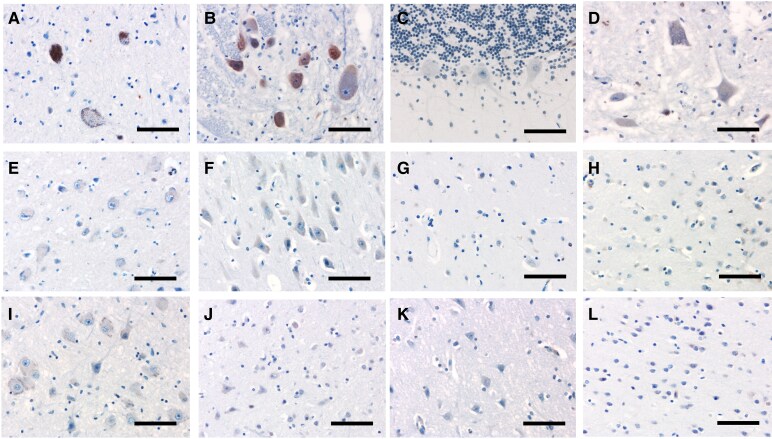 Figure 5
Peer Reviews
No public reviews on file for this paper yet. If you reviewed it on a platform where reviews are public (OpenReview, ICLR, NeurIPS, ICML), you can paste yours below so the community can read it here.
Videos
No videos yet. Explain this paper in a talk, walkthrough, or lecture? Add one.
Taxonomy
TopicsGenetic Neurodegenerative Diseases · Neurogenetic and Muscular Disorders Research · Mitochondrial Function and Pathology