Patent Foramen Ovale and Pregnancy: A Case Report and Literature Review
Diego González Guzmán, Carlos A Andrade-Castellanos, Marco Antonio Ponce-Gallegos, Alejandra García Valencia

TL;DR
A pregnant woman with a heart condition called PFO experienced a stroke, and her case highlights the importance of careful management and timing of treatment.
Contribution
This case report emphasizes the value of using the RoPE score and deferring PFO closure until after pregnancy in selected patients.
Findings
A large right-to-left shunt via PFO was confirmed as the likely cause of stroke in a pregnant woman.
Anticoagulation and postpartum PFO closure led to favorable neurological recovery.
Deferring intervention until postpartum aligns with current guidelines and may be safer in selected cases.
Abstract
Patent foramen ovale (PFO) is a common congenital cardiac anomaly that can serve as a conduit for paradoxical embolism, particularly in young patients with cryptogenic stroke. Pregnancy induces a hypercoagulable state that may unmask underlying predisposing conditions such as PFO. Although ischemic stroke during pregnancy is rare, it carries significant maternal and neonatal complications. We report the case of a young woman in her third trimester who presented with an acute ischemic stroke. Initial diagnostic evaluation using transthoracic echocardiography (TTE) with a bubble study confirmed the presence of a PFO, characterized by a large right-to-left shunt. The Risk of Paradoxical Embolism (RoPE) score was high, suggesting a strong likelihood that the PFO was causally related to the stroke. No alternative etiology was identified after thorough investigation. She was managed with…
Genes, proteins, chemicals, diseases, species, mutations and cell lines named across the full text — each resolved to its canonical identifier and authoritative record.
Click any figure to enlarge with its caption.
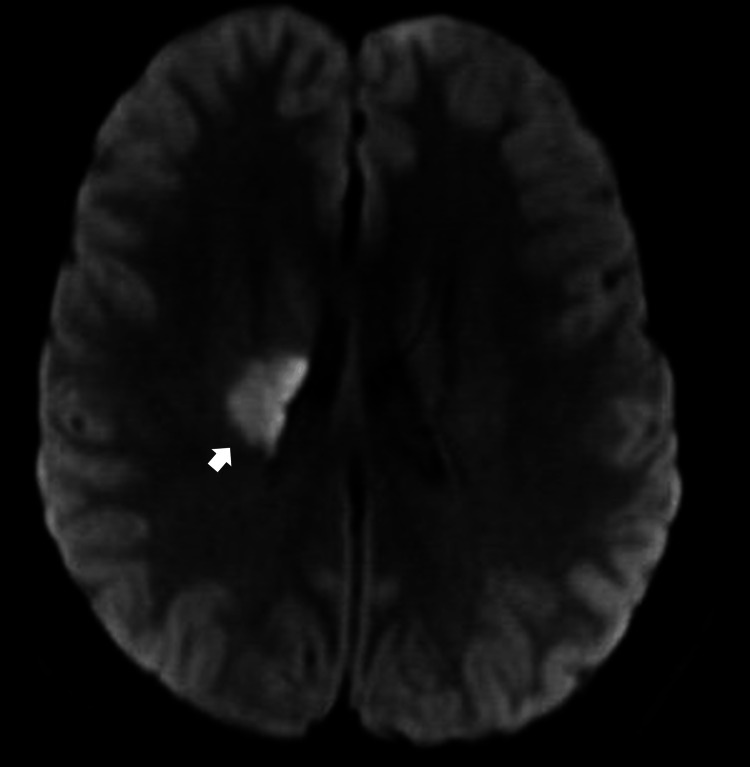 Figure 1
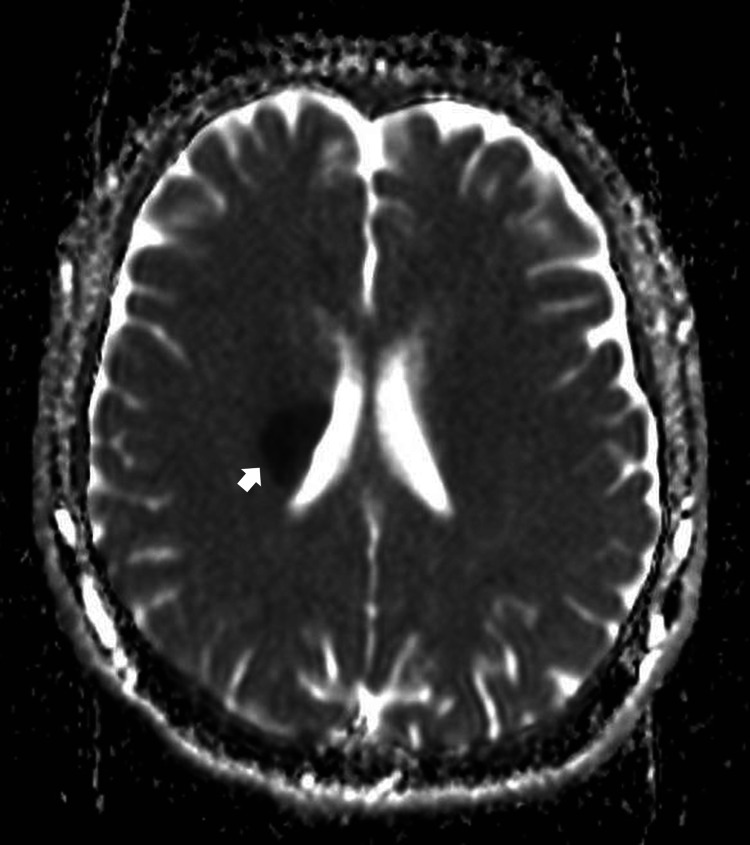 Figure 2
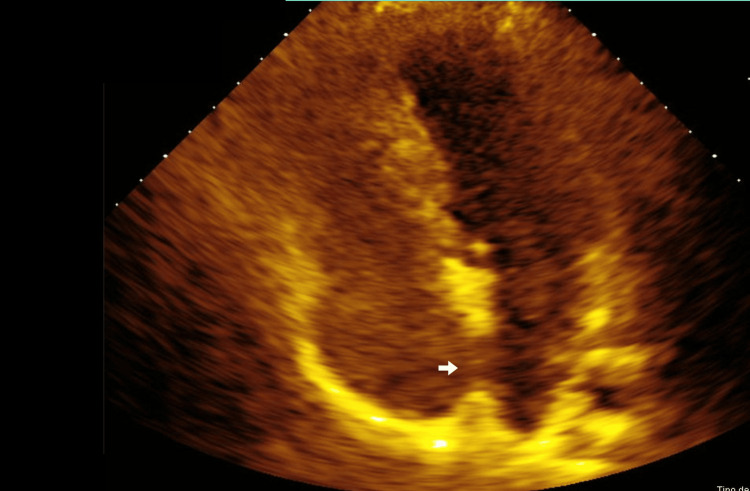 Figure 3
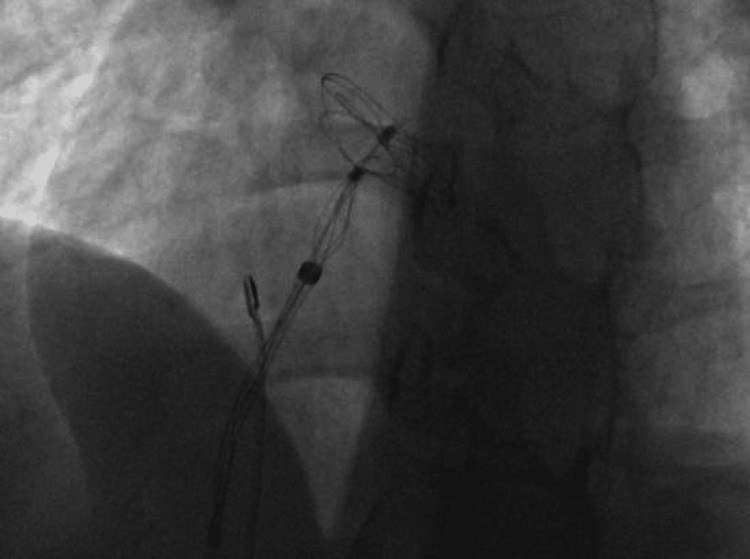 Figure 4
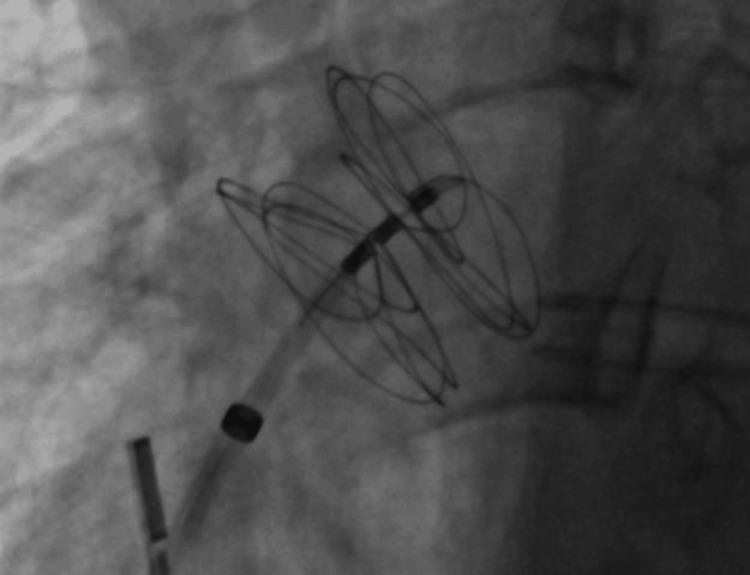 Figure 5
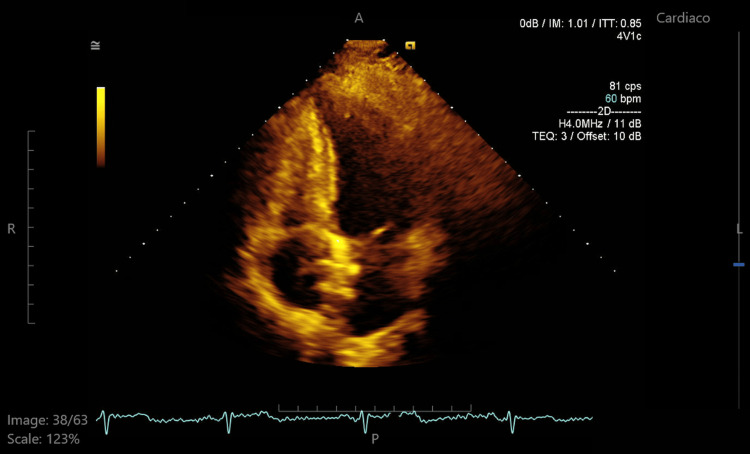 Figure 6
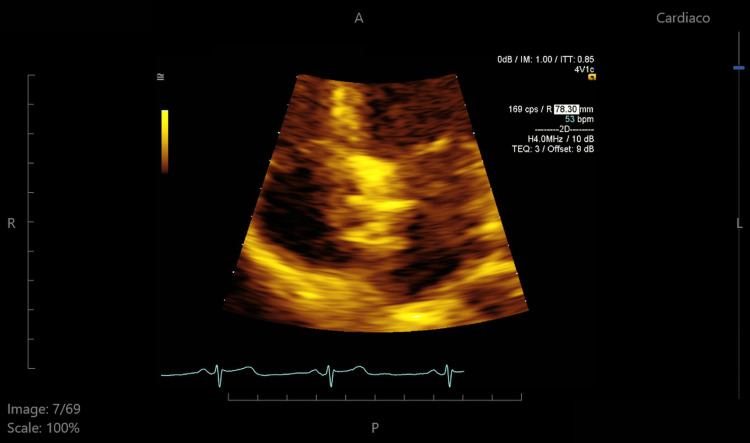 Figure 7
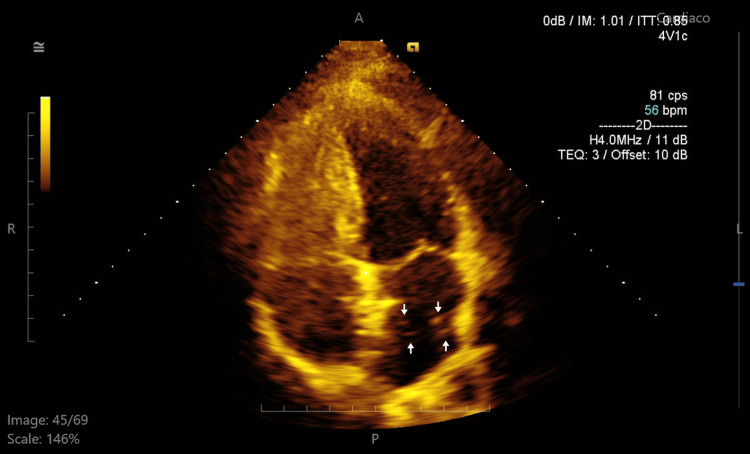 Figure 8
Peer Reviews
No public reviews on file for this paper yet. If you reviewed it on a platform where reviews are public (OpenReview, ICLR, NeurIPS, ICML), you can paste yours below so the community can read it here.
Videos
No videos yet. Explain this paper in a talk, walkthrough, or lecture? Add one.
Taxonomy
TopicsCardiovascular and Diving-Related Complications · High Altitude and Hypoxia · Restraint-Related Deaths