FAK signaling suppression by OCT4-ITGA6 mediates the effectively removal of residual pluripotent stem cells and enhances application safety
Wenpeng Song, Jian Wang, Shixin Gong, Xiaoyan Wang, Junji Xu, Ruiqing Wu, Zongmin Jiang, Huiyuan Zhang, Lida Wu, Yilong Wang, Yingying Su, Hao Wang, Yuchun Gu

TL;DR
This study introduces a method to safely remove leftover stem cells after differentiation, reducing the risk of tumor formation in regenerative therapies.
Contribution
A novel strategy using BSS(Ca-Mg-) to selectively detach residual pluripotent stem cells while preserving differentiated cells.
Findings
BSS(Ca-Mg-) treatment effectively removes PSCs without affecting iDCs in co-culture systems.
BSS(Ca-Mg-) treatment prevents teratoma formation in immunodeficient mice.
OCT4 and ITGA6 form a feedback loop suppressing FAK signaling in PSCs.
Abstract
Rationale: Pluripotent stem cells (PSCs) serve as a critical source of seed cells for regenerative therapies due to their unlimited proliferative capacity and ability to differentiate into all three germ layers. Despite their potential, the risk of teratoma formation caused by residual PSCs within differentiated cell populations poses a significant barrier to clinical applications. This study aims to develop a novel strategy to selectively remove residual PSCs while preserving the safety and functionality of PSC-derived differentiated cells (iDCs). Methods: The calcium- and magnesium-free balanced salt solution (BSS(Ca-Mg-)) was employed to selectively target PSCs in a co-culture system comprising PSCs and four types of iDCs. The effect of BSS(Ca-Mg-) treatment on teratoma formation was evaluated in immunodeficient mice following cell transplantation. Comparative analysis and gene…
Genes, proteins, chemicals, diseases, species, mutations and cell lines named across the full text — each resolved to its canonical identifier and authoritative record.
Click any figure to enlarge with its caption.
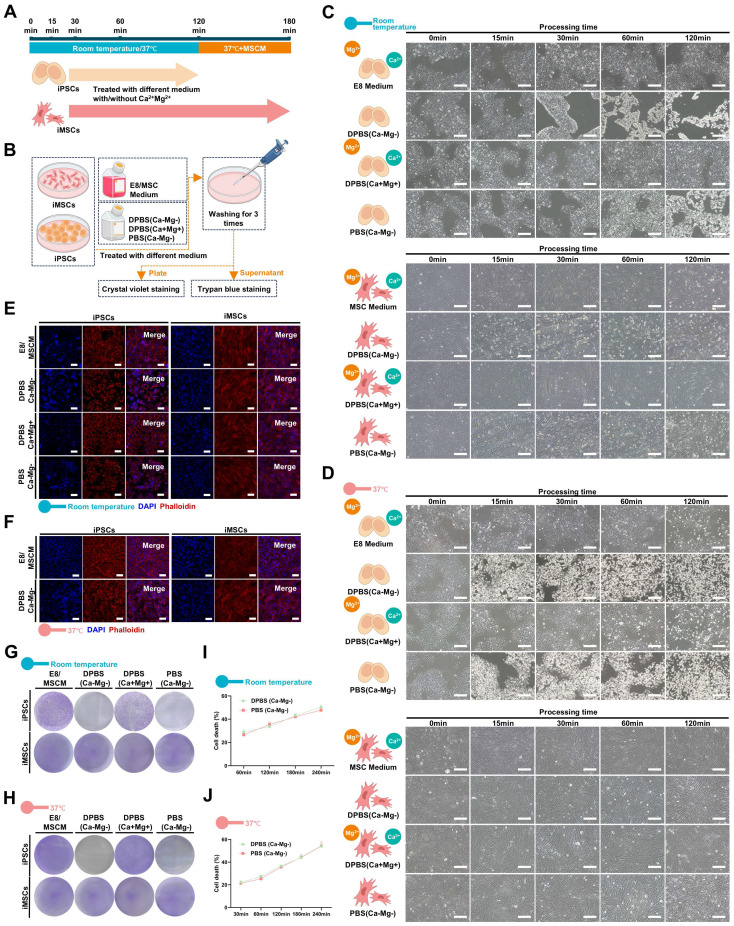 Figure 1
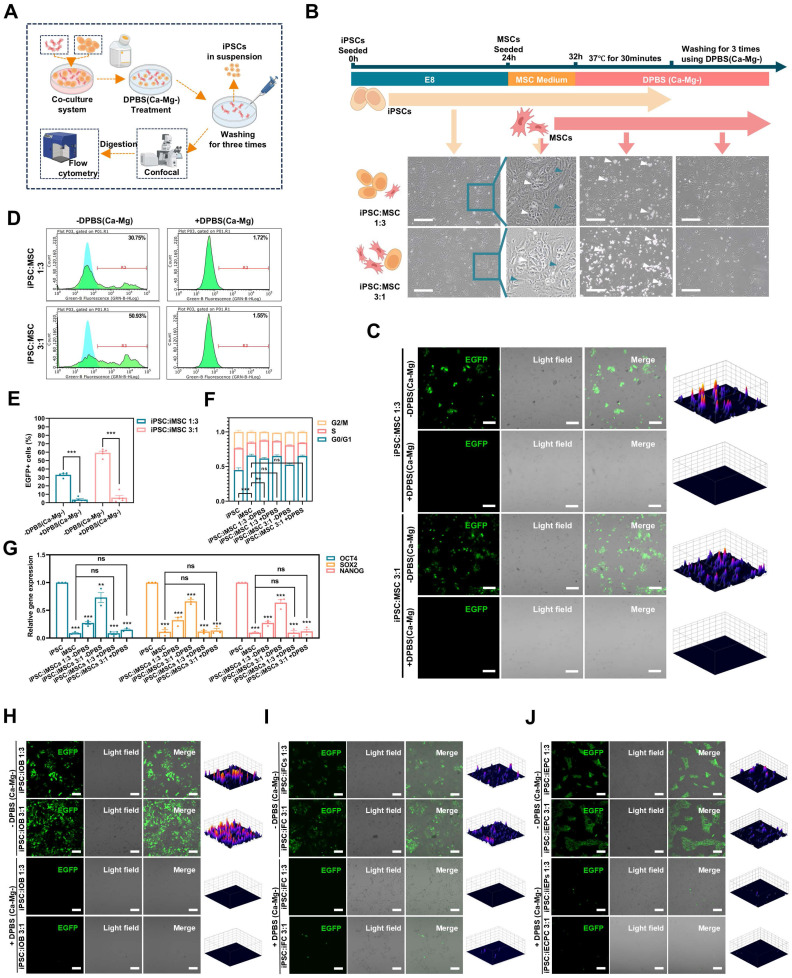 Figure 2
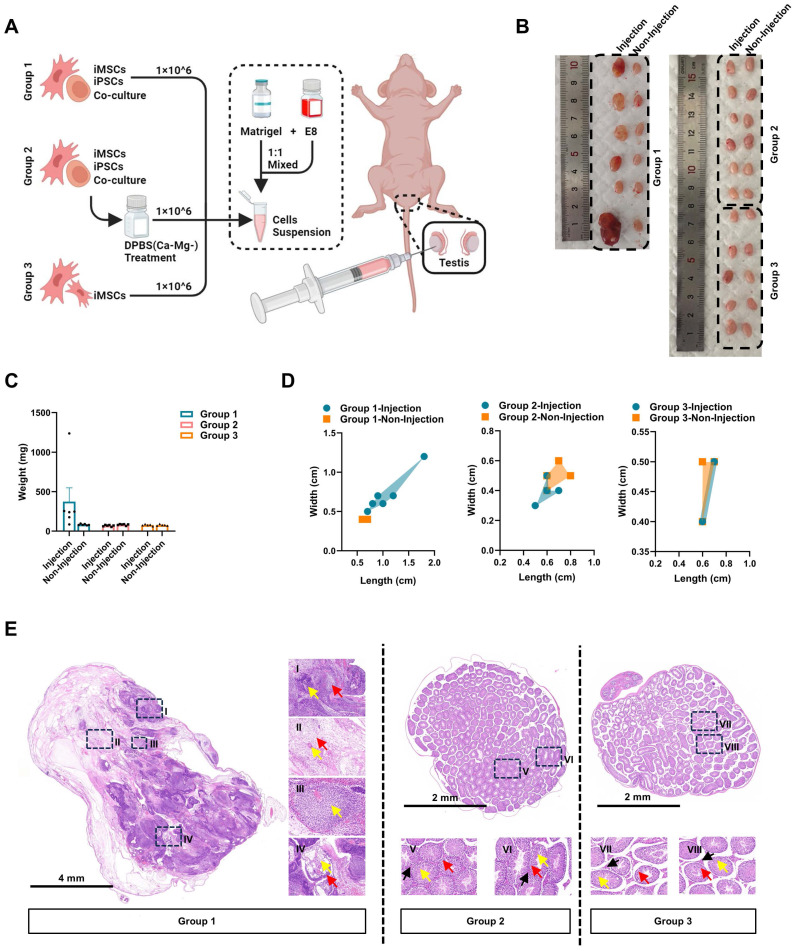 Figure 3
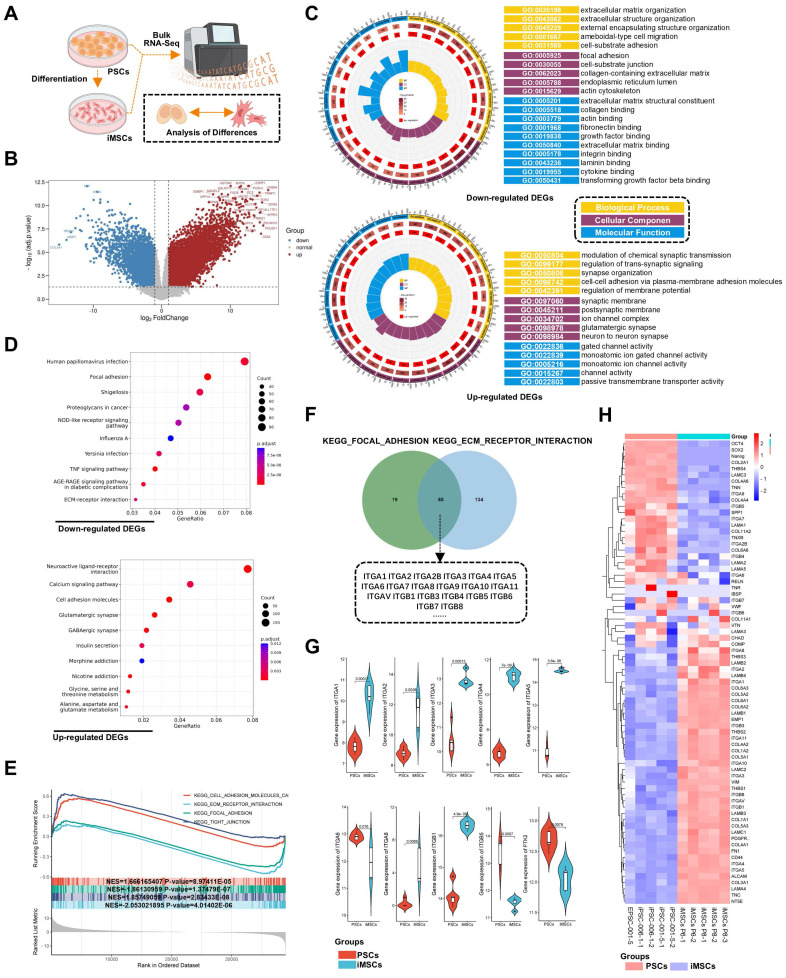 Figure 4
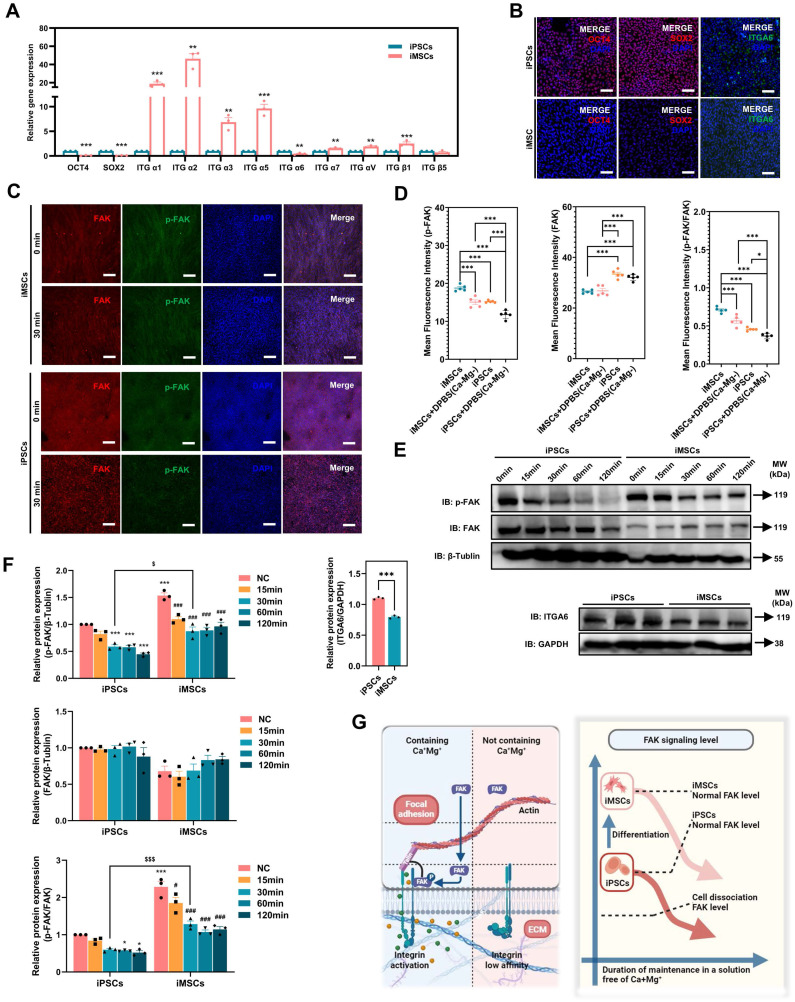 Figure 5
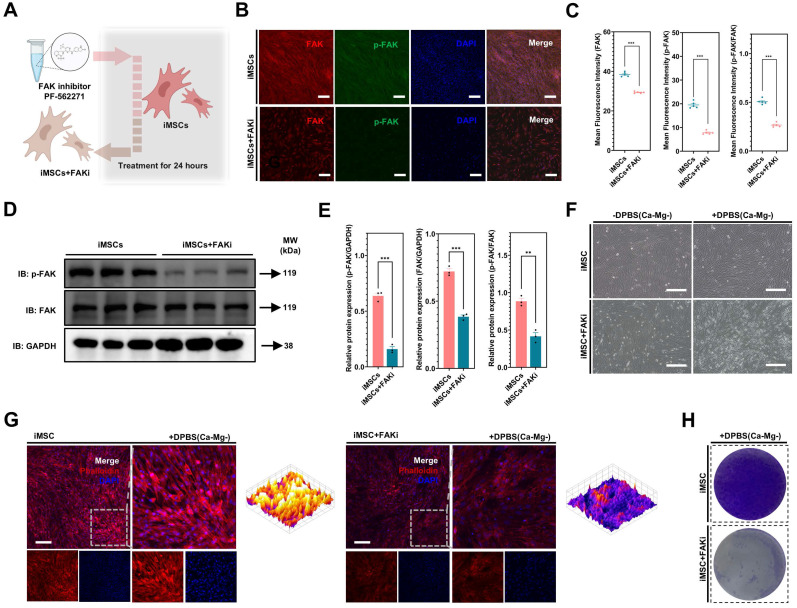 Figure 6
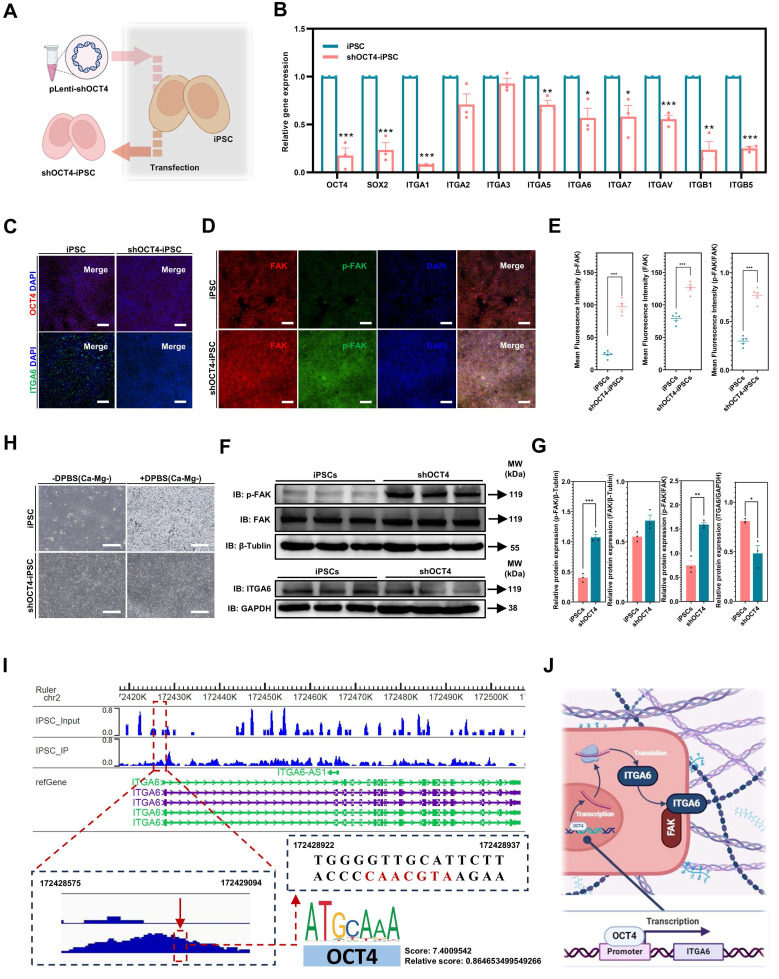 Figure 7
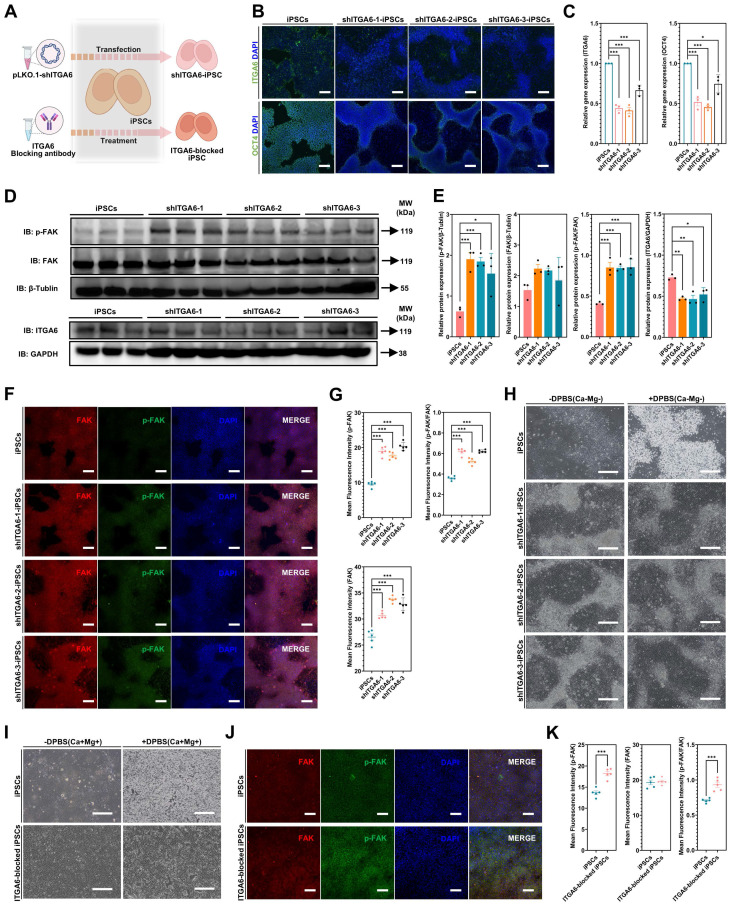 Figure 8
 Figure 9
 Figure 10
Peer Reviews
No public reviews on file for this paper yet. If you reviewed it on a platform where reviews are public (OpenReview, ICLR, NeurIPS, ICML), you can paste yours below so the community can read it here.
Videos
No videos yet. Explain this paper in a talk, walkthrough, or lecture? Add one.
Taxonomy
TopicsPluripotent Stem Cells Research · Renal and related cancers · Tissue Engineering and Regenerative Medicine