Heterodimerization of staphylococcal phage φ2638A endolysin isoforms and their functional role in bacterial lysis
Léa V Zinsli, Anna M Sobieraj, Jiemin Du, Patrick Ernst, Susanne Meile, Samuel Kilcher, Cedric Iseli, Anja P Keller, Birgit Dreier, Peer R E Mittl, Andreas Plückthun, Martin J Loessner, Mathias Schmelcher, Matthew Dunne

TL;DR
A phage produces two versions of an enzyme that work together to efficiently break down bacteria during infection.
Contribution
The study reveals that a short isoform of endolysin enhances phage lytic efficiency by forming a heterodimer with the full-length isoform.
Findings
The SV isoform of Ply2638A forms a heterodimer with the full-length endolysin during phage infection.
Phages producing only one isoform show delayed progeny release and impaired lytic activity.
Co-expression of both isoforms enhances cell lysis efficiency and progeny release.
Abstract
Bacteriophage endolysins targeting Gram-positive bacteria typically feature a modular architecture of one or more enzymatically active domains (EADs) and cell wall binding domains (CBDs). Several endolysins also feature internal translational start sites (iTSSs) that produce short variant (SV) isoforms alongside the full-length (FL) endolysin. While the lytic activity of endolysins and their isoforms has been extensively studied as exogenous agents, the purpose behind producing the SV isoform during the phage infection cycle remains to be explored. In this study, we used staphylococcal phage φ2638A as a model to determine the interplay between its FL endolysin, Ply2638A, and its SV isoform during phage infection. X-ray crystallography structures and AlphaFold-generated models enabled elucidation of individual functions of the M23 endopeptidase, central amidase, and SH3b domains of…
Genes, proteins, chemicals, diseases, species, mutations and cell lines named across the full text — each resolved to its canonical identifier and authoritative record.
Click any figure to enlarge with its caption.
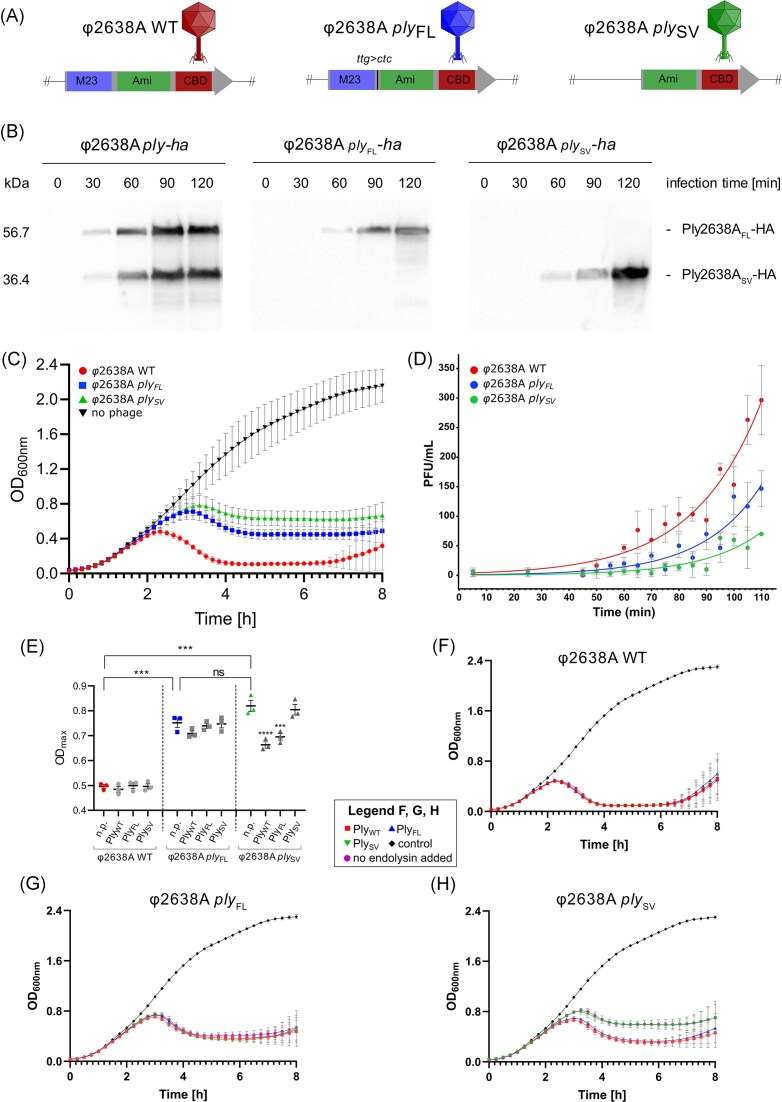 Figure 1
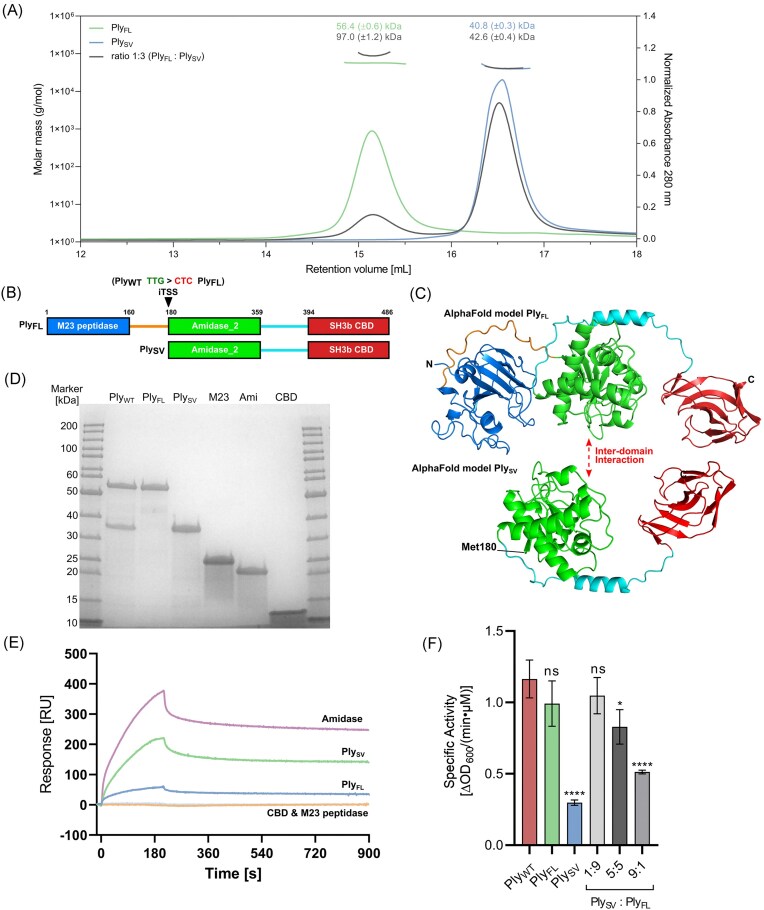 Figure 2
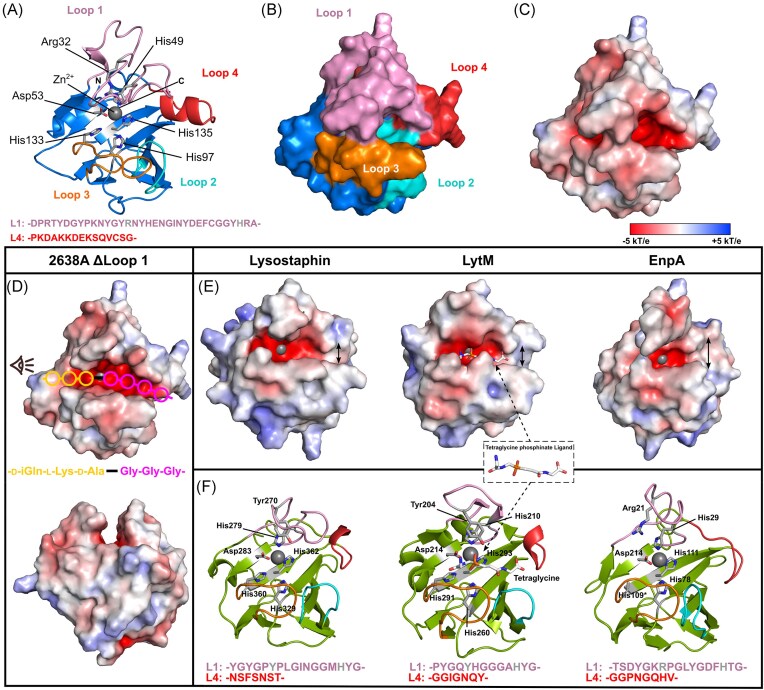 Figure 3
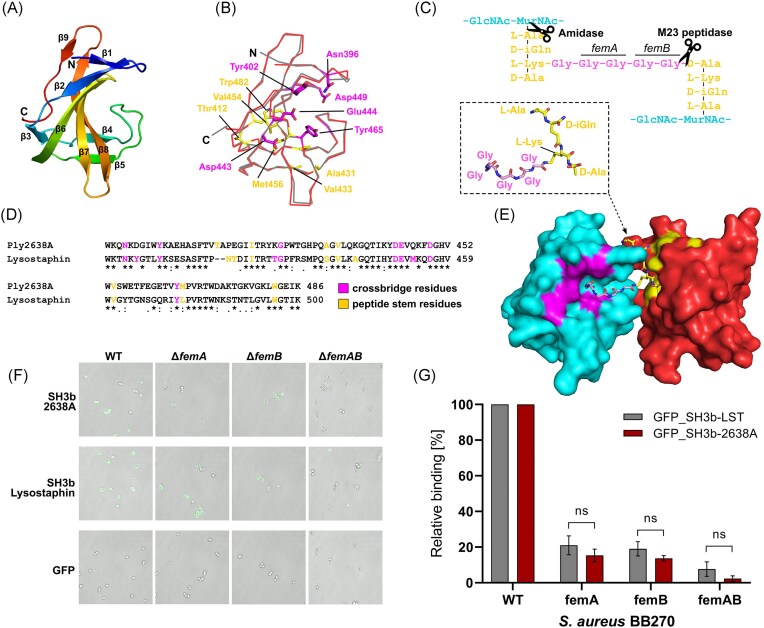 Figure 4
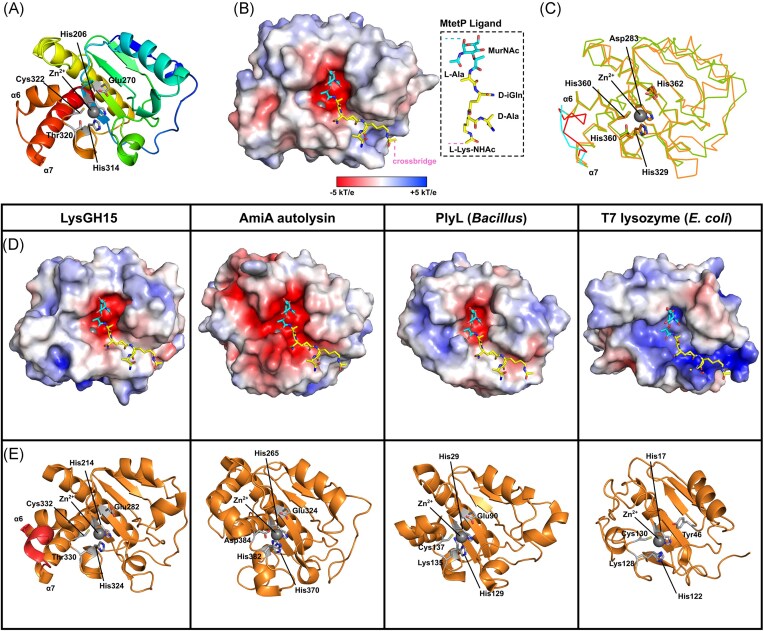 Figure 5
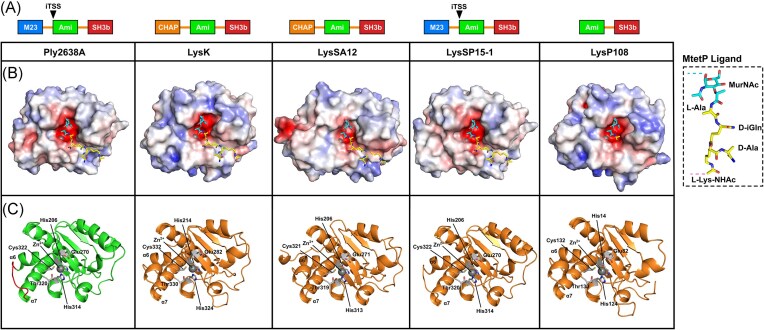 Figure 6
Peer Reviews
No public reviews on file for this paper yet. If you reviewed it on a platform where reviews are public (OpenReview, ICLR, NeurIPS, ICML), you can paste yours below so the community can read it here.
Videos
No videos yet. Explain this paper in a talk, walkthrough, or lecture? Add one.
Taxonomy
TopicsBacteriophages and microbial interactions · RNA and protein synthesis mechanisms · Bacterial Genetics and Biotechnology