Biology and utilization of R2 retrotransposons
Shengqiu Luo, Qicheng Chen, Yangcan Chen, Wei Li

TL;DR
This paper reviews R2 retrotransposons, their unique ability to insert into specific genomic sites, and their potential as tools for genome engineering.
Contribution
The paper highlights recent advances in using R2 retrotransposons for targeted gene integration and their potential as biotechnological tools.
Findings
R2 retrotransposons insert into ribosomal DNA using a precise mechanism called target-primed reverse transcription.
The R2-encoded protein has multiple functions including reverse transcriptase and endonuclease activities.
R2 elements are being explored as novel tools for targeted gene integration in genome engineering.
Abstract
R2 elements serve as a class of non-long terminal repeat (non-LTR) retrotransposons found in animal genomes that specifically insert into the ribosomal DNA (rDNA) sequences of host genomes. Each R2 element contains a single open reading frame (ORF) encoding a multifunctional protein with nucleic acid-binding, reverse transcriptase, and endonuclease activities, enabling specific genomic integration via a mechanism called target-primed reverse transcription (TPRT). As a classical model for studying retrotransposition mechanisms, R2 elements possess unique biological properties and precise integration capabilities, which have inspired novel genome engineering strategies. In this review, we summarize the components and integration mechanisms of R2 retrotransposons and highlight the recent advances in employing these mobile elements for targeted gene integration. Finally, we present future…
Genes, proteins, chemicals, diseases, species, mutations and cell lines named across the full text — each resolved to its canonical identifier and authoritative record.
Click any figure to enlarge with its caption.
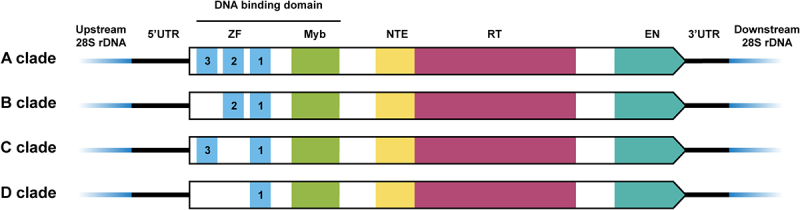 Figure 1
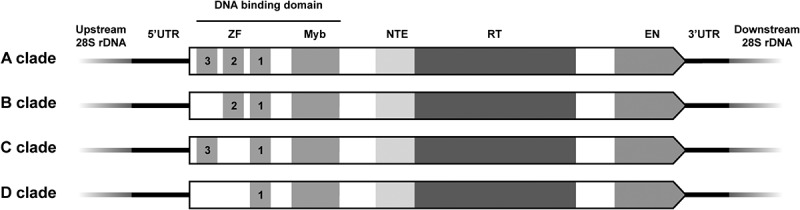 Figure 2
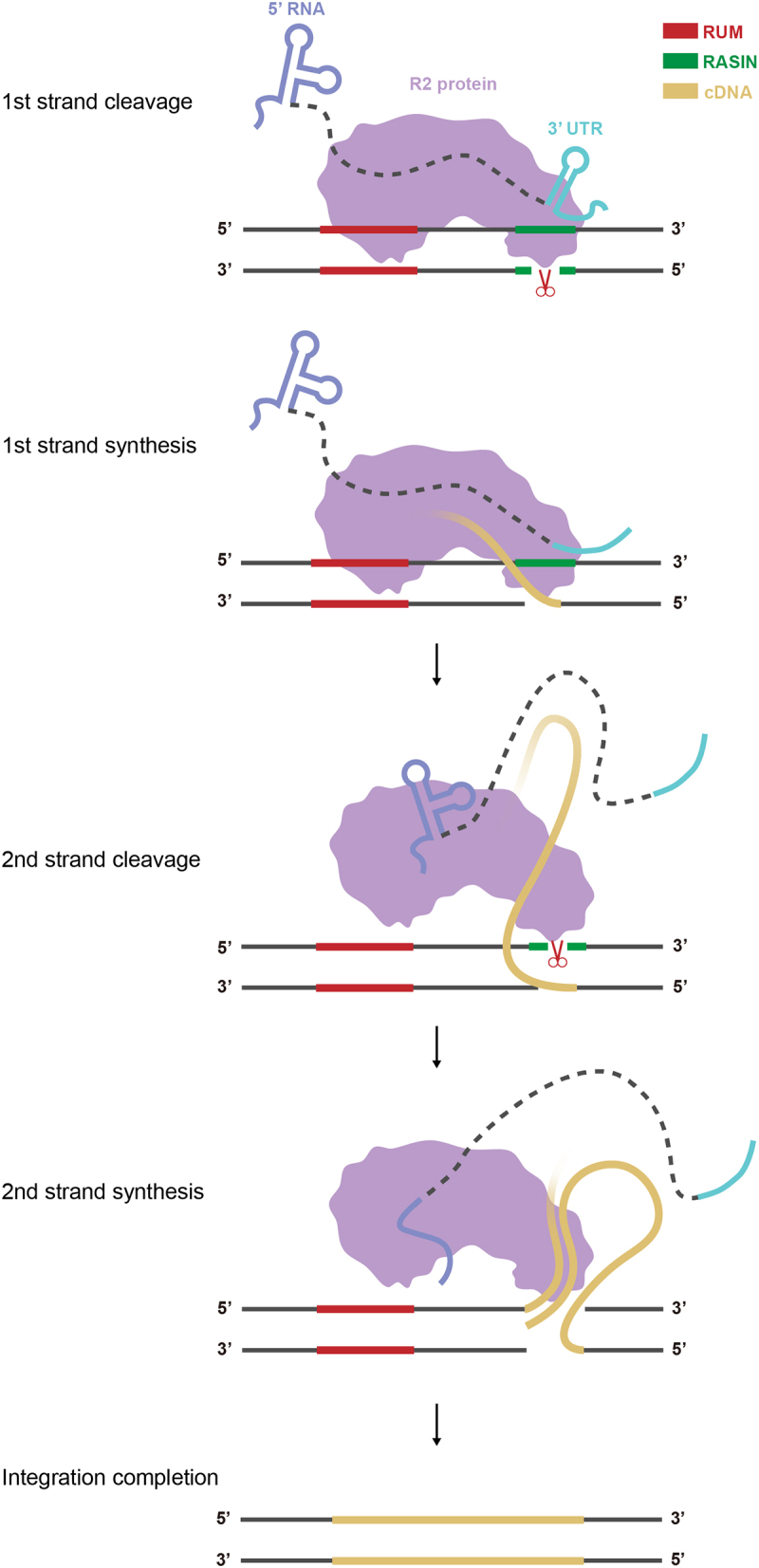 Figure 3
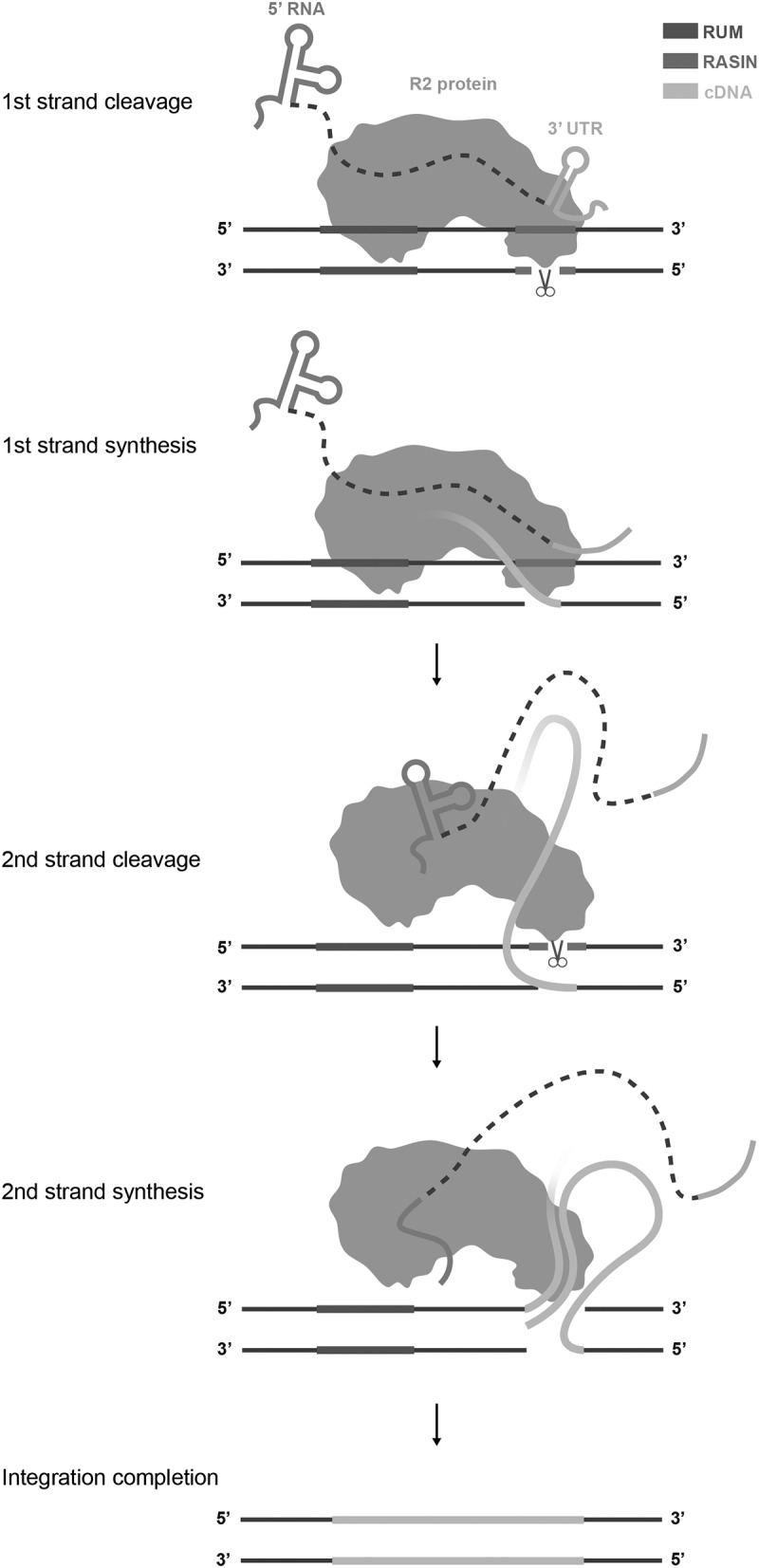 Figure 4
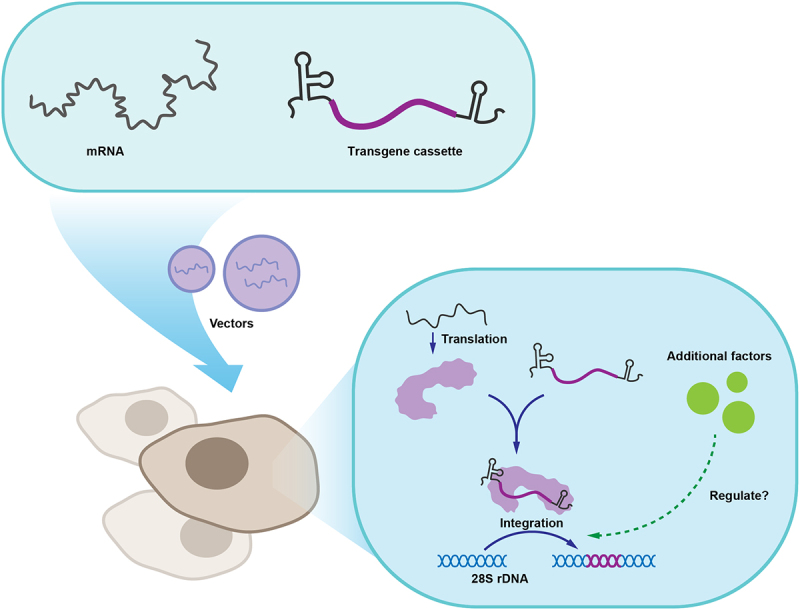 Figure 5
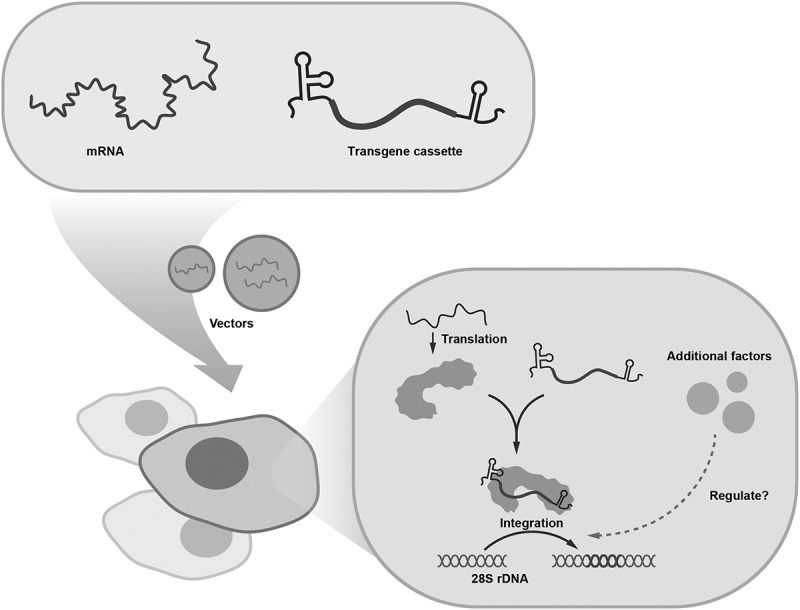 Figure 6
Peer Reviews
No public reviews on file for this paper yet. If you reviewed it on a platform where reviews are public (OpenReview, ICLR, NeurIPS, ICML), you can paste yours below so the community can read it here.
Videos
No videos yet. Explain this paper in a talk, walkthrough, or lecture? Add one.
Taxonomy
TopicsChromosomal and Genetic Variations · Advanced biosensing and bioanalysis techniques · Genetics and Neurodevelopmental Disorders