Mitotherapy attenuates sepsis-induced brain injury in rats subjected to cecal ligation and puncture: Role of SIRT-1/PGC-1α network
Behnaz Mokhtari, Alireza Alihemmati, Soleyman Bafadam, Solmaz Boraghi, Reza Badalzadeh, Ata Mahmoodpoor

TL;DR
Mitochondrial transplantation, or mitotherapy, reduces brain injury in septic rats by improving mitochondrial function and reducing inflammation.
Contribution
This study demonstrates that mitotherapy can alleviate sepsis-induced brain injury through the SIRT-1/PGC-1α pathway and that repeated doses are more effective.
Findings
Mitotherapy reduced sepsis-induced brain injury in rats, as shown by improved behavioral scores and reduced histopathology.
Mitochondrial function was restored, with increased biogenesis and reduced inflammation following mitotherapy.
Repeated mitotherapy injections provided greater therapeutic benefits than a single dose.
Abstract
Sepsis-induced brain injury poses a critical challenge with limited therapeutic options. Mitochondrial dysfunction is a central contributor to this pathogenesis. The current work aimed to examine the effects of mitochondrial transplantation, termed “mitotherapy”, on sepsis-induced brain injury using a cecal ligation and puncture (CLP) rat model. Male Wistar rats (n=40, 12 weeks old, weighing 250–300 g) were allocated into groups with or without CLP-induced sepsis, receiving mitotherapy via single or two repetitive injections post-CLP. In recipient groups, mitochondria harvested from donor rats were injected intravenously (400 μl of mitochondrial suspension containing 7.5×10⁶ mitochondria/ml of respiration buffer). Twenty-four hours post-operation, the behavioral phenotype was tested by using the Murine Sepsis Score (MSS). Brain morphological examination was conducted using Hematoxylin…
Genes, proteins, chemicals, diseases, species, mutations and cell lines named across the full text — each resolved to its canonical identifier and authoritative record.
Click any figure to enlarge with its caption.
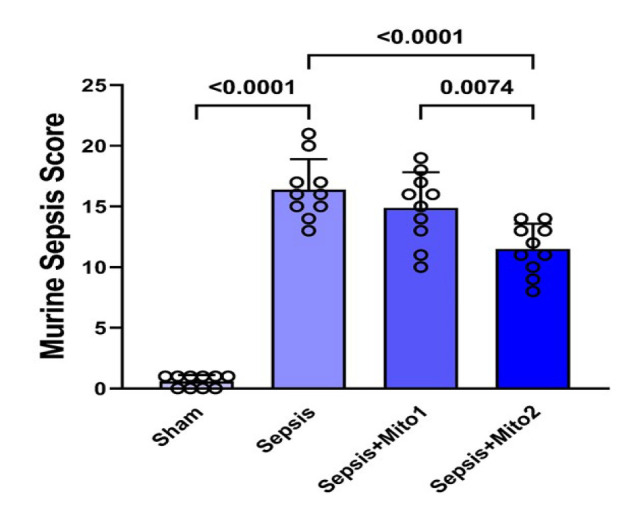 Figure 1
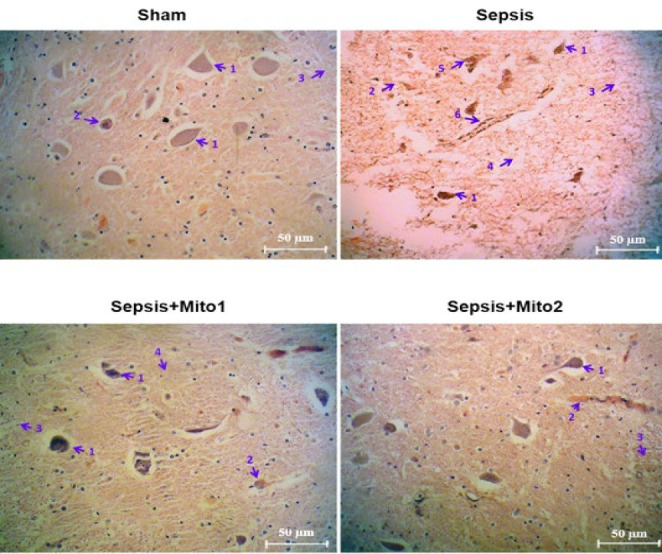 Figure 2
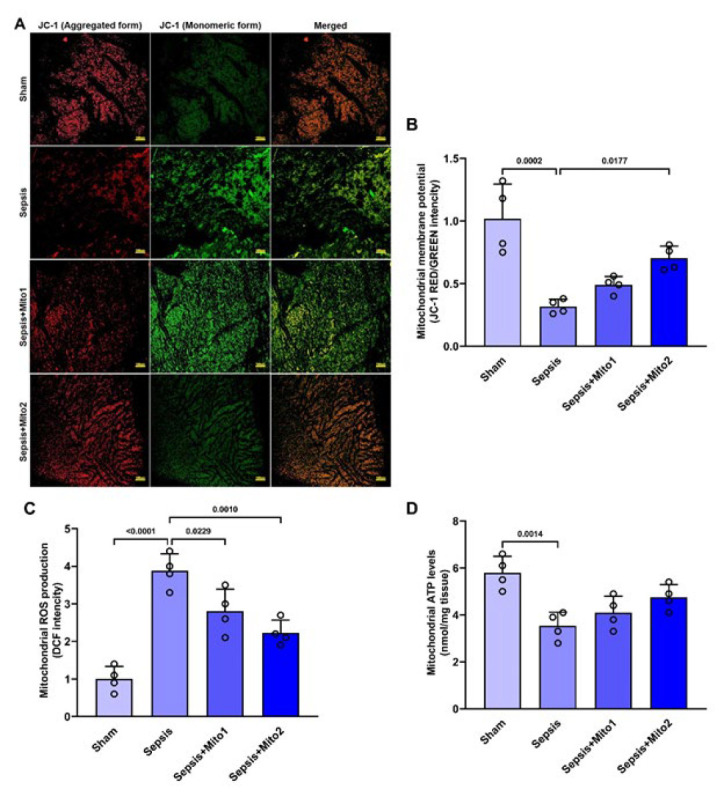 Figure 3
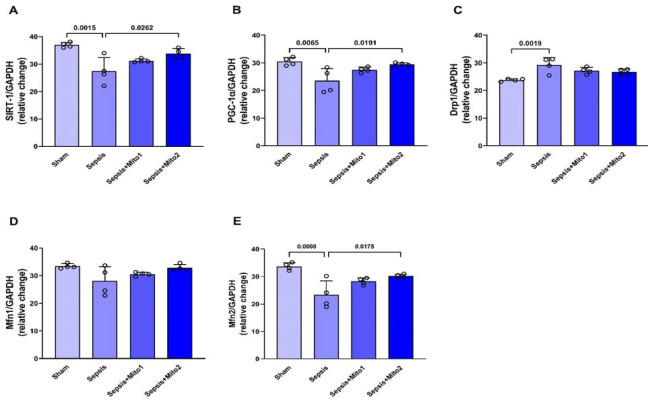 Figure 4
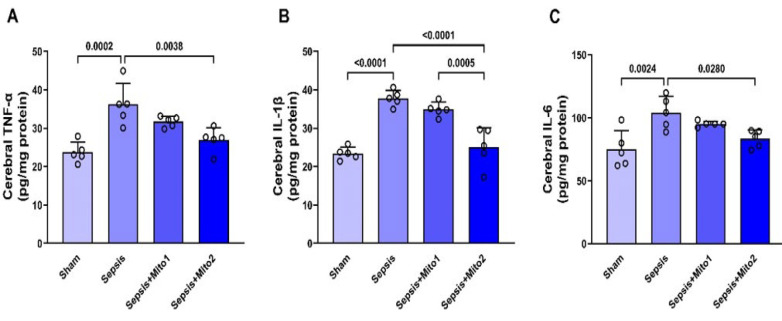 Figure 5
Peer Reviews
No public reviews on file for this paper yet. If you reviewed it on a platform where reviews are public (OpenReview, ICLR, NeurIPS, ICML), you can paste yours below so the community can read it here.
Videos
No videos yet. Explain this paper in a talk, walkthrough, or lecture? Add one.
Taxonomy
TopicsPharmacological Effects of Natural Compounds · Medicinal Plants and Bioactive Compounds · Neurological diseases and metabolism