Nanoencapsulation of B-toxin from herbal extracts: Targeting HTLV-1 protease and ATLL
Arezoo Baghban, Mohammad Momen Heravi, Seyed Abdolrahim Rezaee, Mohsen Tafaghodi, Mohammadreza Bozorgmehr

TL;DR
This study explores using nanoencapsulated toxins from yew tree extracts to inhibit a virus-linked enzyme in a type of leukemia, showing strong anticancer effects.
Contribution
The novel contribution is the nanoencapsulation of B-toxin and isotoxin B to target HTLV-1 protease in ATLL with a recombinant peptide.
Findings
Nanoencapsulated TB significantly reduced cancer cell viability in a time- and dose-dependent manner.
The presence of a recombinant peptide doubled the inhibitory effect on HTLV-1-infected cells.
TB and isoTB nearly completely inhibited HTLV-1 protease enzyme activity.
Abstract
Toxin B and isotoxin B (TB, isoTB) are major constituents of the Taxus baccata tree. This study investigates the inhibitory effect of TB and isoTB on adult T-cell leukemia/lymphoma (ATLL), particularly on human T-lymphotropic virus type 1 protease (HTLV-1 PR). HTLV-1 protease (HTLV-1 PR) is an aspartic acid protease and a promising therapeutic target for human immunodeficiency virus (HIV) PR inhibitors. The anticancer properties of T. baccata plant components encapsulated in PLGA nanoparticles (NPs/ PLGA/TB) were evaluated by in vitro assays using different cell lines. Cancerous cell lines, including HTLV-1-infected-MT2, were treated with varying concentrations of TB and alcoholic extract, and a combined peptide was designed and expressed using recombined NPs/PLGA/TB in a human Fc gamma1 (HTLV-1 PR: hFc gamma1) against HTLV-1. Our results show that the viability of cancer cells after…
Genes, proteins, chemicals, diseases, species, mutations and cell lines named across the full text — each resolved to its canonical identifier and authoritative record.
Click any figure to enlarge with its caption.
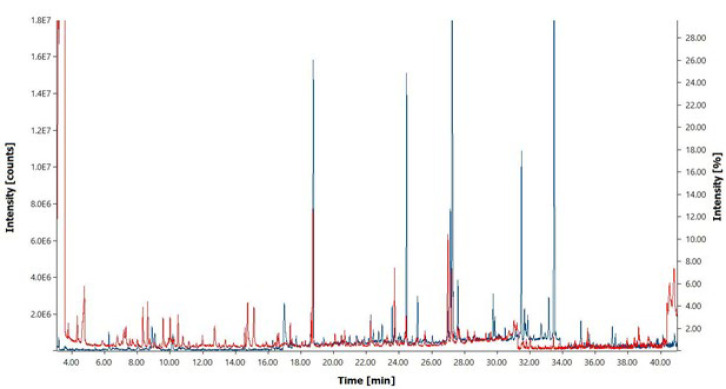 Figure 1
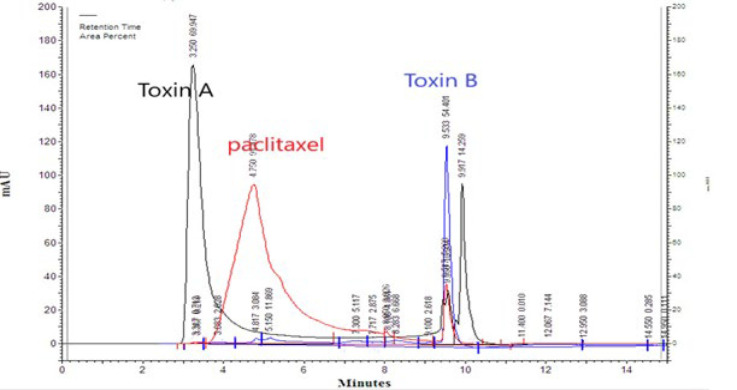 Figure 2
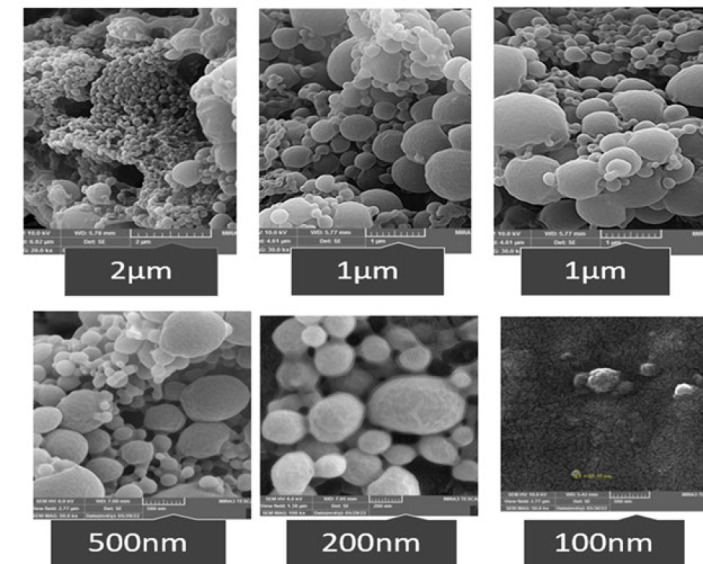 Figure 3
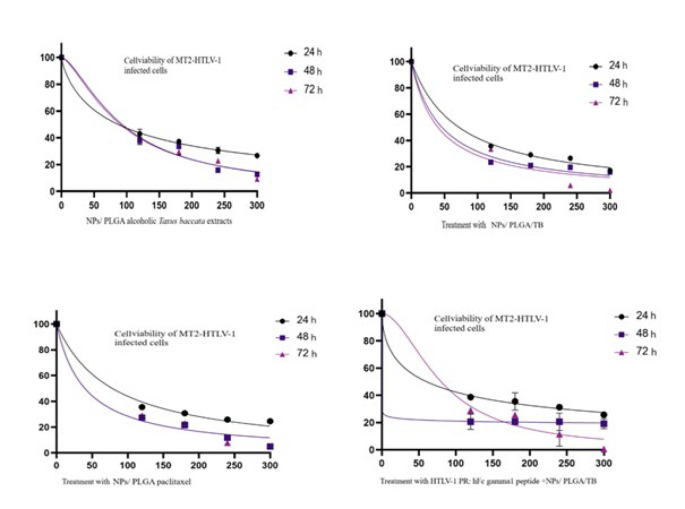 Figure 4
 Figure 5
 Figure 6
 Figure 7
Peer Reviews
No public reviews on file for this paper yet. If you reviewed it on a platform where reviews are public (OpenReview, ICLR, NeurIPS, ICML), you can paste yours below so the community can read it here.
Videos
No videos yet. Explain this paper in a talk, walkthrough, or lecture? Add one.
Taxonomy
TopicsT-cell and Retrovirus Studies