Disruptions in primary visual cortex physiology and function in a mouse model of Timothy syndrome
Rosie Craddock, Cezar M Tigaret, Frank Sengpiel

TL;DR
This study explores how a genetic disorder called Timothy syndrome affects the visual system in mice, revealing abnormal responses to visual stimuli.
Contribution
The study identifies specific physiological and functional disruptions in the primary visual cortex of a mouse model of Timothy syndrome.
Findings
TS2 mutation leads to widened action potentials in pyramidal cells of the primary visual cortex.
TS2-neo mice show altered visual stimulus responses, favoring mid-to-high spatial frequencies over low ones.
There is an increased density of parvalbumin-positive cells in the primary visual cortex of TS2-neo mice.
Abstract
Timothy syndrome (TS) is a rare genetic disorder caused by mutations in the CACNA1C gene, which encodes the L-type calcium channel α1 CaV1.2 subunit. While it is expressed throughout the body, the most serious symptoms are cardiac and neurological. Classical TS type 1 (TS1) and TS type 2 (TS2) mutations cause prolonged action potentials (APs) in cardiomyocytes and in induced neurons derived from pluripotent stem cells taken from TS patients, but the effects of TS mutations on neuronal function in vivo are not fully understood. TS is frequently associated with autistic traits, which in turn have been linked to altered sensory processing. Using the TS2-neo mouse model, we analyzed the effects of TS2 mutation on the visual system. We observed a widening of APs of pyramidal cells in ex vivo patch clamp recordings and an increase in the density of parvalbumin-positive cells in the primary…
Genes, proteins, chemicals, diseases, species, mutations and cell lines named across the full text — each resolved to its canonical identifier and authoritative record.
Click any figure to enlarge with its caption.
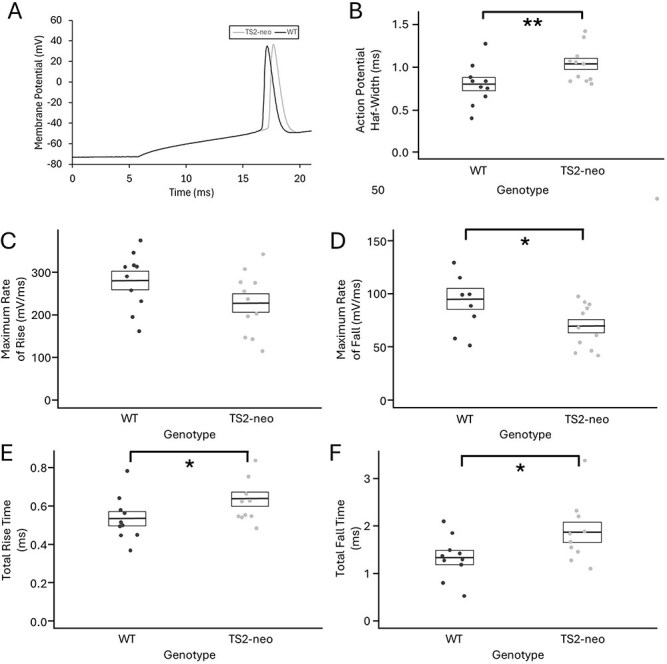 Figure 1
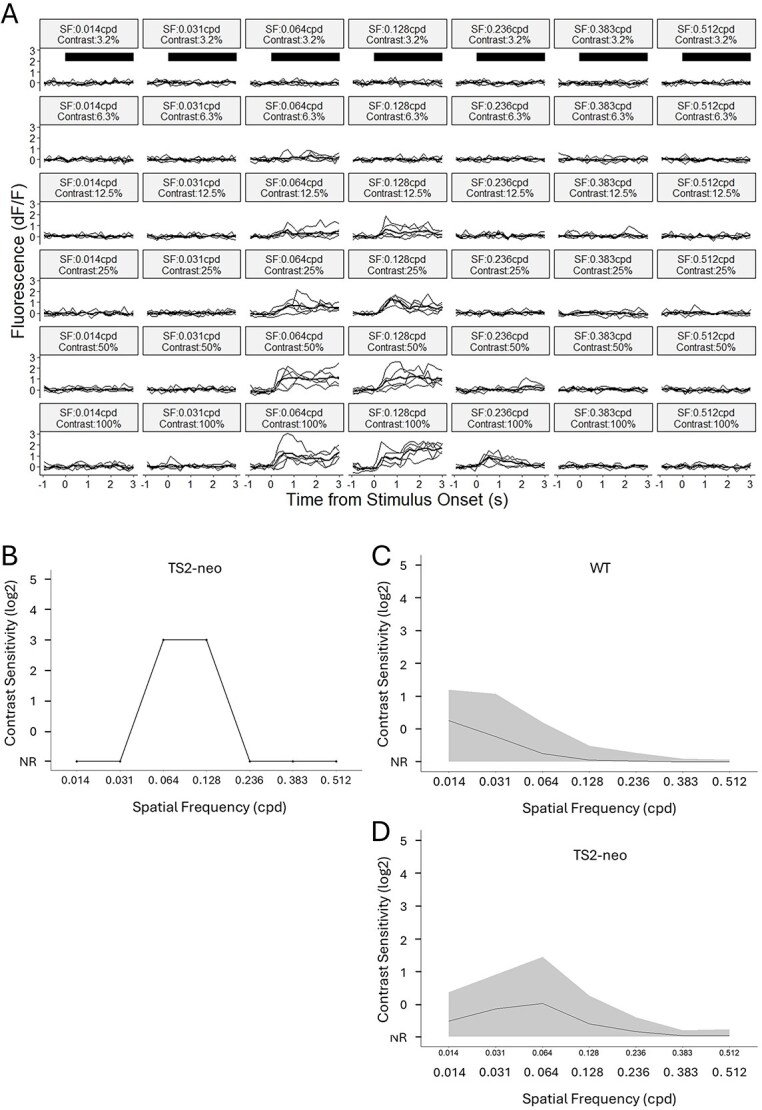 Figure 2
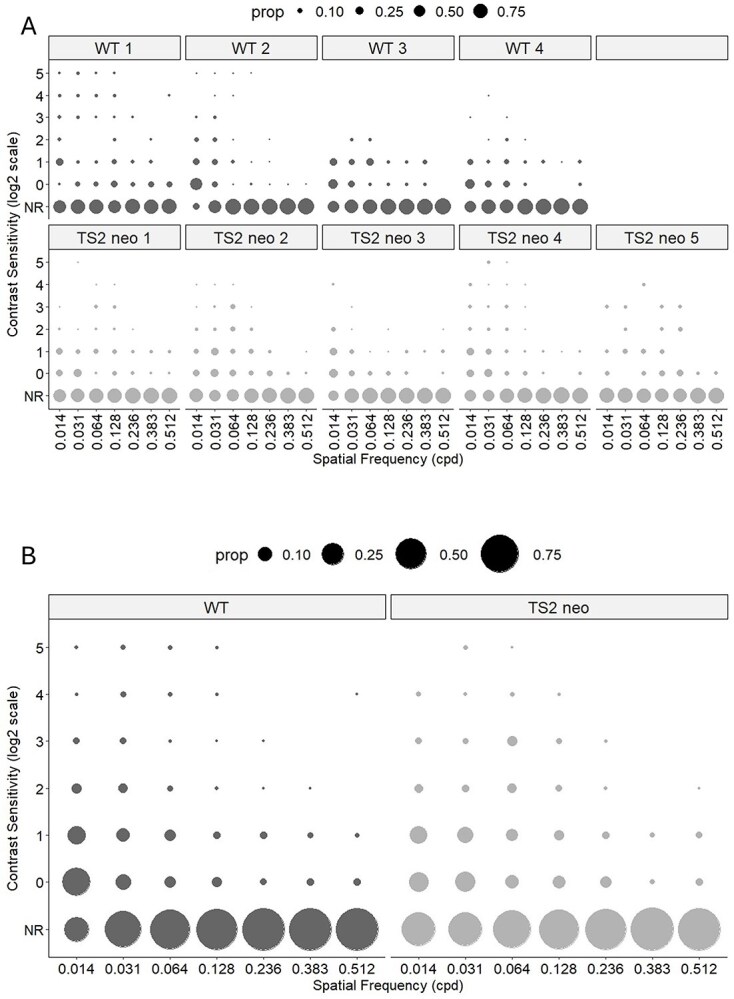 Figure 3
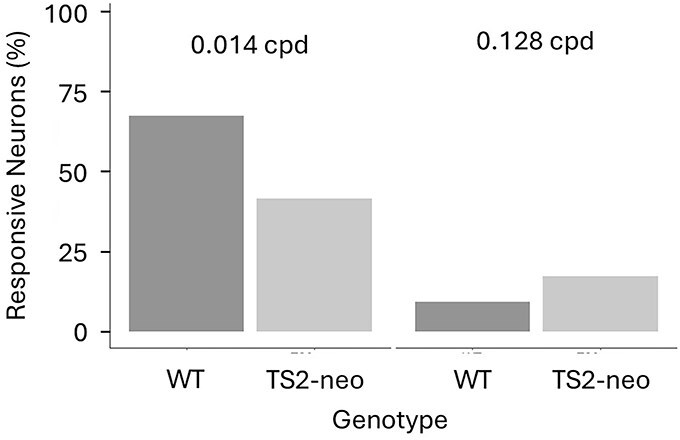 Figure 4
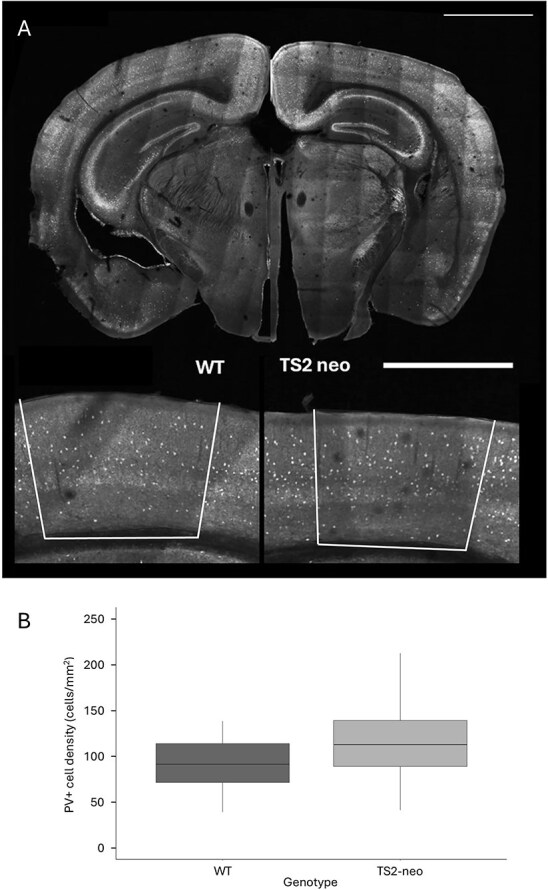 Figure 5
Peer Reviews
No public reviews on file for this paper yet. If you reviewed it on a platform where reviews are public (OpenReview, ICLR, NeurIPS, ICML), you can paste yours below so the community can read it here.
Videos
No videos yet. Explain this paper in a talk, walkthrough, or lecture? Add one.
Taxonomy
TopicsNeuroscience and Neural Engineering · Ion channel regulation and function · Neuroscience and Neuropharmacology Research