Reassessing the validity of using weighted linear models to implement multi-generational GWAS-by-subtraction: a response to Evans et al
Benjamin Woolf, Dipender Gill, Marcus Munafò, Stephen Burgess

TL;DR
This paper responds to criticisms of a method for estimating genetic effects of paternal smoking using GWAS by subtraction.
Contribution
The paper addresses and evaluates the theoretical and practical limitations raised by Evans et al. regarding the GWAS-by-subtraction approach.
Findings
The authors acknowledge limitations in their original method's theoretical and practical validity.
They explore the criticisms and provide a detailed response to the concerns raised.
The paper aims to clarify and refine the approach based on the feedback received.
Abstract
Evans and colleagues for providing a critique on our article “Deriving GWAS summary estimates for paternal smoking in UK biobank: a GWAS by subtraction”. They highlight important limitations in our approach, which we overlooked. They argue that our approach works neither in theory nor in practice– that there are both flaws in the method and in our execution of the method. Here we explore these issues and address what we consider to be the most important criticisms. The online version contains supplementary material available at 10.1186/s13104-025-07327-8.
Genes, proteins, chemicals, diseases, species, mutations and cell lines named across the full text — each resolved to its canonical identifier and authoritative record.
Click any figure to enlarge with its caption.
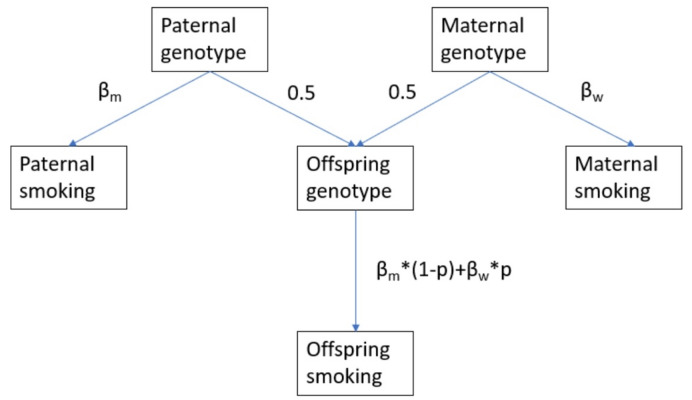 Figure 1
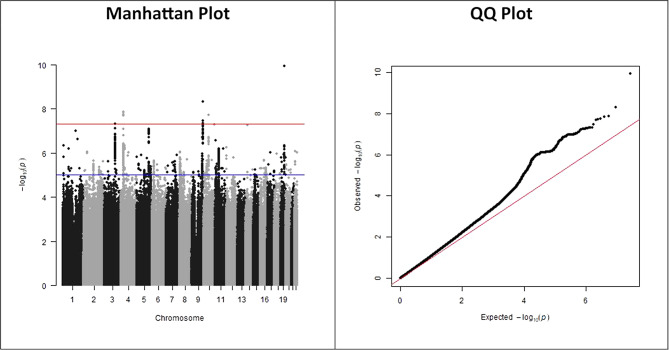 Figure 2
Peer Reviews
No public reviews on file for this paper yet. If you reviewed it on a platform where reviews are public (OpenReview, ICLR, NeurIPS, ICML), you can paste yours below so the community can read it here.
Videos
No videos yet. Explain this paper in a talk, walkthrough, or lecture? Add one.
Taxonomy
TopicsGenetic Associations and Epidemiology · Birth, Development, and Health · Epigenetics and DNA Methylation