Integrating Drosophila and Vibrio fischeri models for toxicity evaluation: uncovering detoxification trends in psoralea Fructus-TCM formulations
Cheng Zhang, Yina Li, Fangyang Li, Wanyun Dang, Zhuo Shi, Chunqi Yang, Chengrong Xiao, Xianglin Tang, Yuguang Wang, Yue Gao

TL;DR
This study uses fruit flies and bacteria to evaluate the toxicity of traditional Chinese medicine formulations, revealing detoxification trends and key toxic components.
Contribution
The study introduces a novel similarity model and integrates Drosophila and Vibrio fischeri models to detect toxicity patterns in TCM formulations.
Findings
ESP and SSP formulations showed reduced toxicity compared to PF in Drosophila and Vibrio fischeri assays.
Transcriptomic analysis identified key genes like cpr and cyp6a8 involved in detoxification pathways.
Molecular docking revealed that toxic components primarily target LuxD, LuxE, and LuxG enzymes in Vibrio fischeri.
Abstract
The toxicity of herbal medicine combinations is critical to the clinical safety of traditional Chinese medicine (TCM). Current assessment methods are often inefficient and costly, creating an urgent need for new strategies to evaluate herbal medicine toxicity. We conducted research based on the commonly used TCM, Psoraleae Fructus (PF), and its formulations, Er Shen Pills (ESP) and Si Shen Pills (SSP). We conducted a series of analyses on Drosophila, including survival analysis, enzyme assays, and quantitative PCR(qPCR) tests, to evaluate the effects of various TCM combinations on fruit fly health and viability. Transcriptome sequencing was utilized to investigate the detoxifying mechanisms of these combinations. Additionally, experiments with Vibrio fischeri assessed toxicity changes by calculating the luminescence inhibition rate. An innovative similarity model was developed to…
Genes, proteins, chemicals, diseases, species, mutations and cell lines named across the full text — each resolved to its canonical identifier and authoritative record.
Click any figure to enlarge with its caption.
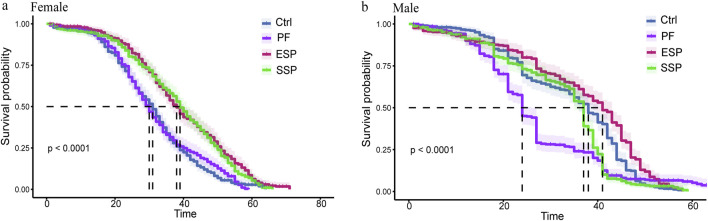 Figure 1
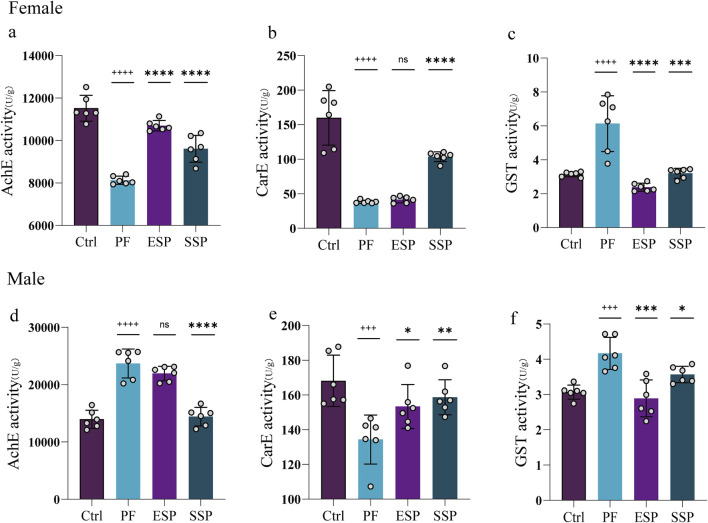 Figure 2
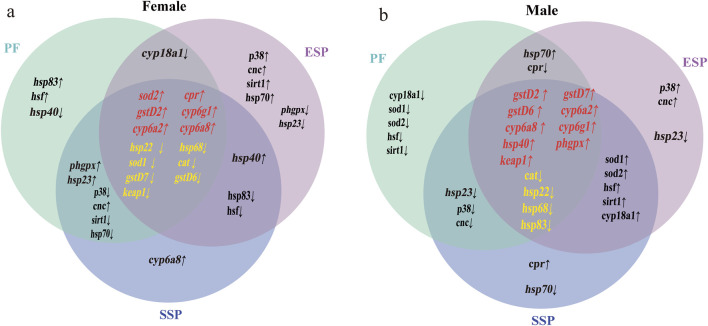 Figure 3
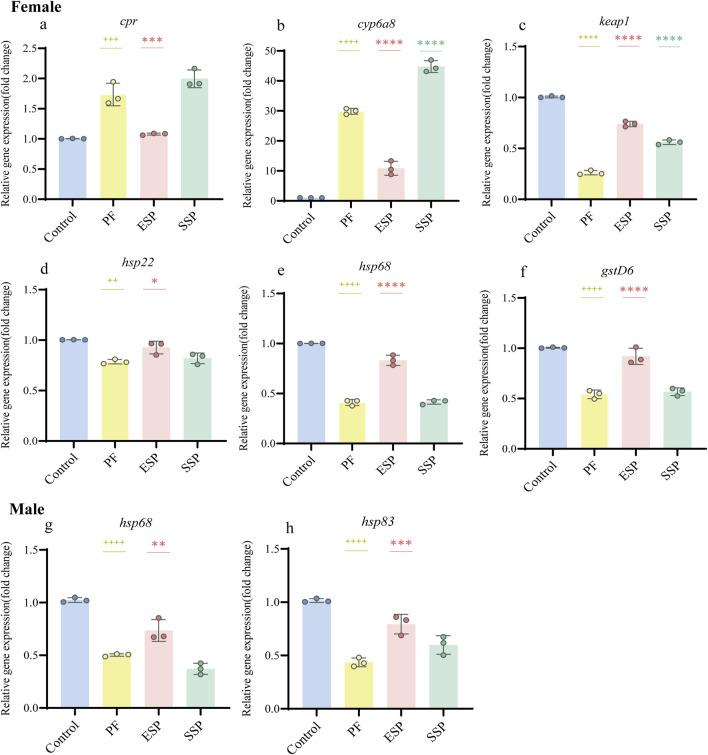 Figure 4
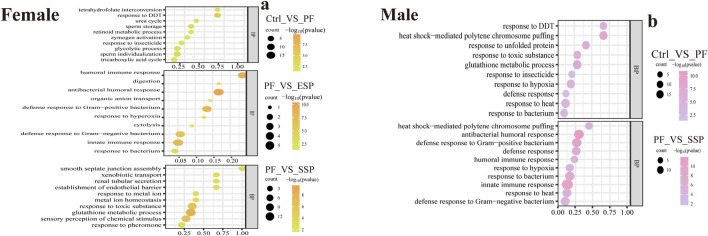 Figure 5
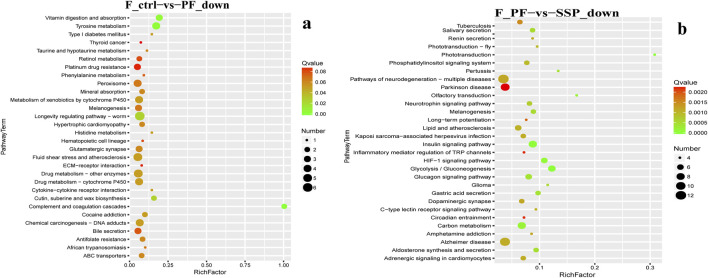 Figure 6
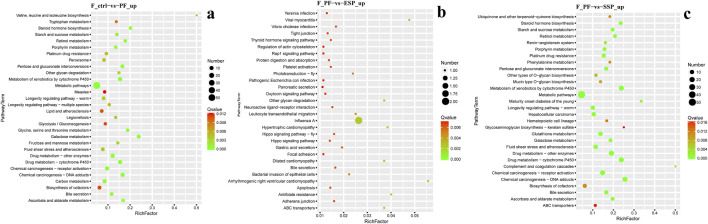 Figure 7
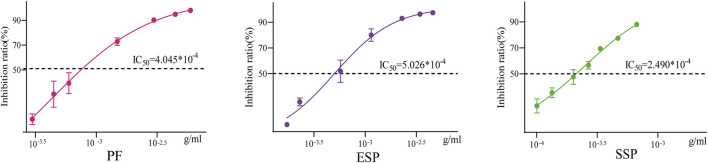 Figure 8
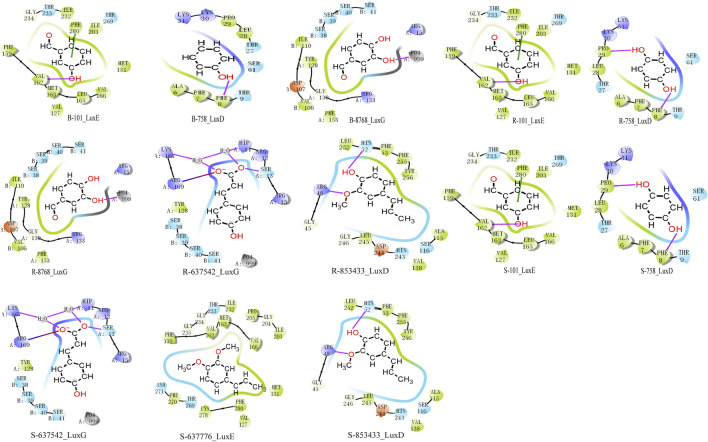 Figure 9
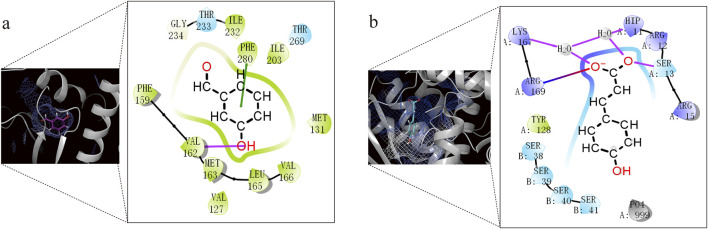 Figure 10
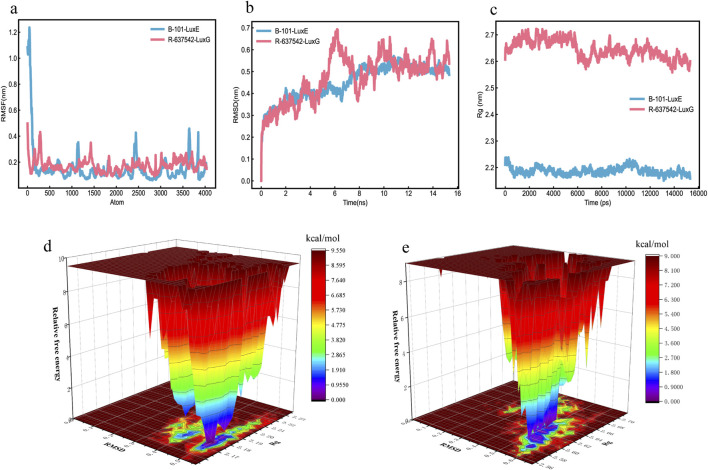 Figure 11
Peer Reviews
No public reviews on file for this paper yet. If you reviewed it on a platform where reviews are public (OpenReview, ICLR, NeurIPS, ICML), you can paste yours below so the community can read it here.
Videos
No videos yet. Explain this paper in a talk, walkthrough, or lecture? Add one.
Taxonomy
TopicsComputational Drug Discovery Methods · Neurobiology and Insect Physiology Research · Viral Infectious Diseases and Gene Expression in Insects