Using computer-generated protein models to analyze mutations linked to Amelogenesis Imperfecta
Nazlee Sharmin, Jerald Yuan, Ava K. Chow

TL;DR
This study uses computer-generated protein models to analyze mutations linked to a tooth development disorder called Amelogenesis Imperfecta.
Contribution
The study demonstrates the potential of computational modeling to investigate structural impacts of AI-linked protein mutations.
Findings
Nineteen human genes with AI-associated mutations were identified from NCBI and OMIM.
Multiple AI-associated protein variants showed structural differences compared to their wildtype forms.
Careful model selection and alignment are necessary to accurately predict structural impacts of mutations.
Abstract
Amelogenesis Imperfecta (AI) is a disorder of tooth development caused by mutations in genes involved in several stages of tooth enamel formation. Few proteins involved in tooth development or developmental anomalies are explored in detail. Knowledge of 3D protein structure is essential to studying protein function. However, crystallized complete protein structures related to teeth and oral development are rare in the Protein Data Bank. Computational approaches for automated protein structure prediction have become a popular alternative for generating protein 3D structures. In this study, we aimed to explore the potential of using computer-generated protein models to analyze mutations linked to AI. We took a systematic approach to identify, screen, and analyze AI-linked protein variants. Proteins with AI-linked mutations were identified from the NCBI and OMIM databases, followed by…
Genes, proteins, chemicals, diseases, species, mutations and cell lines named across the full text — each resolved to its canonical identifier and authoritative record.
Click any figure to enlarge with its caption.
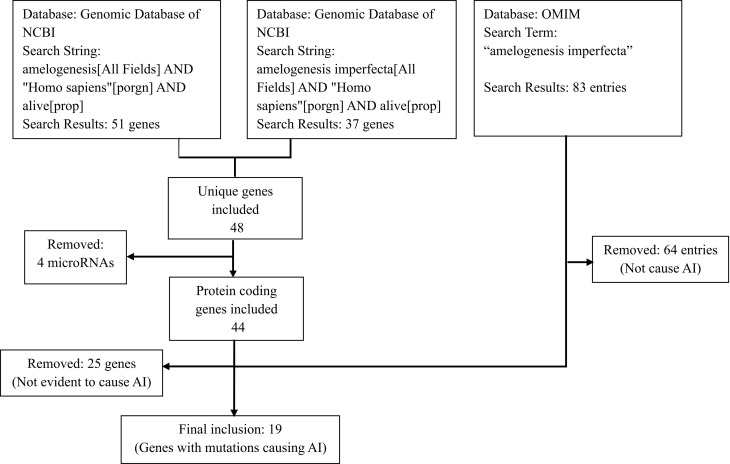 Figure 1
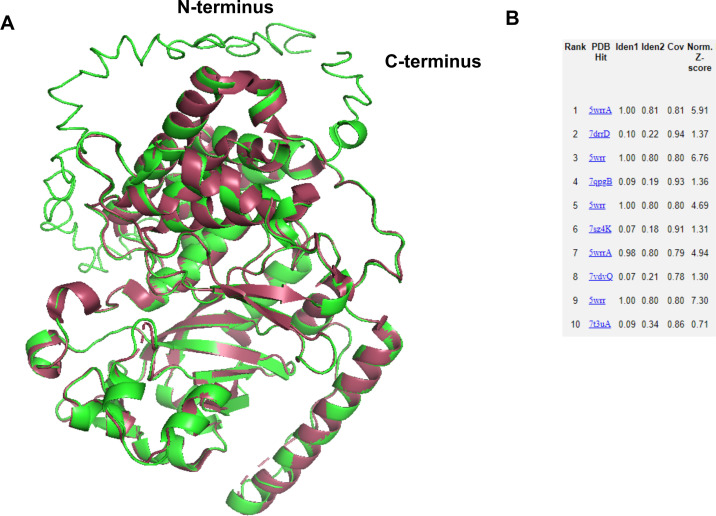 Figure 2
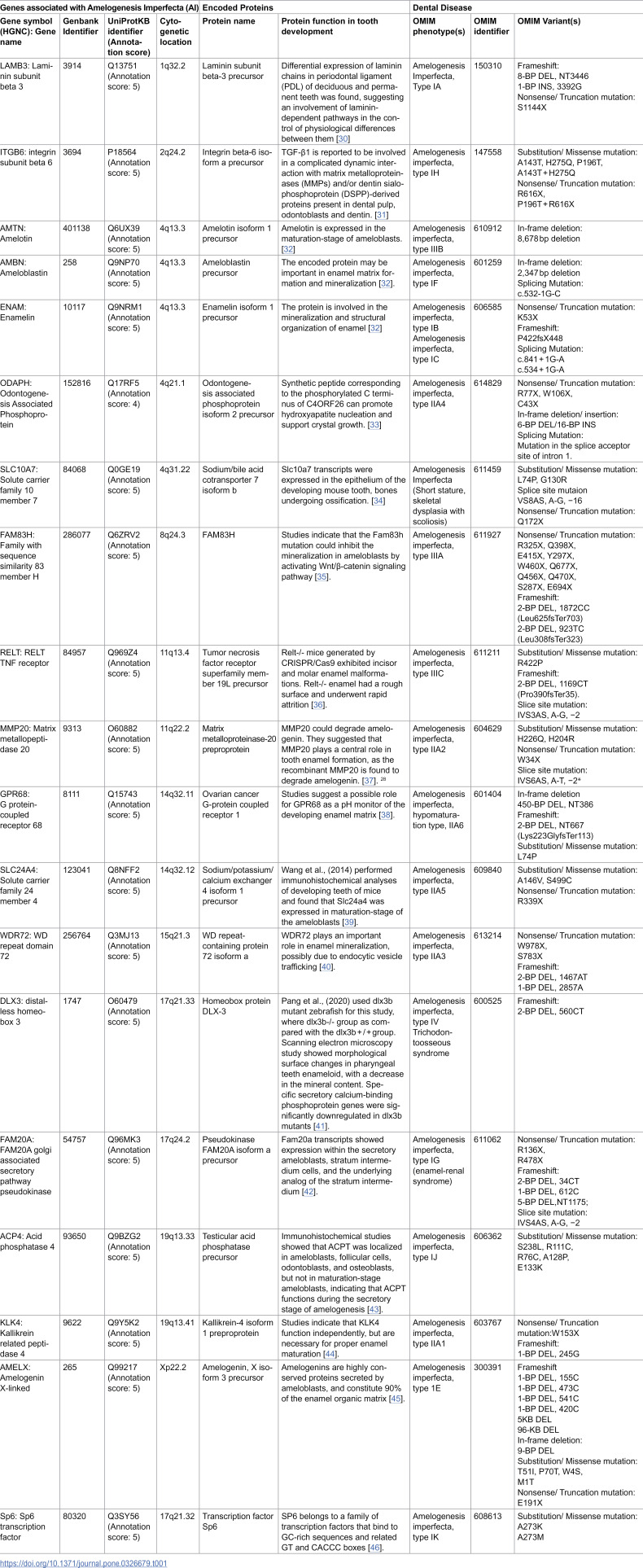 Figure 3
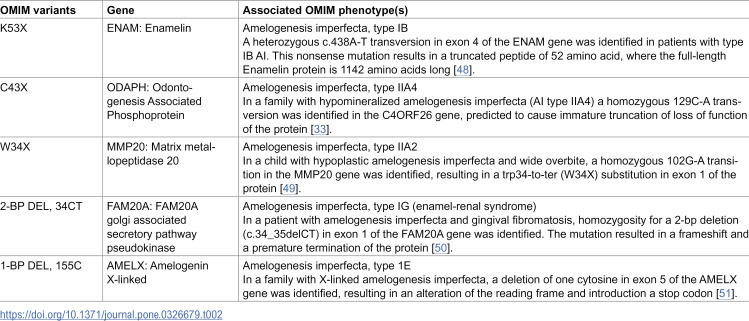 Figure 4
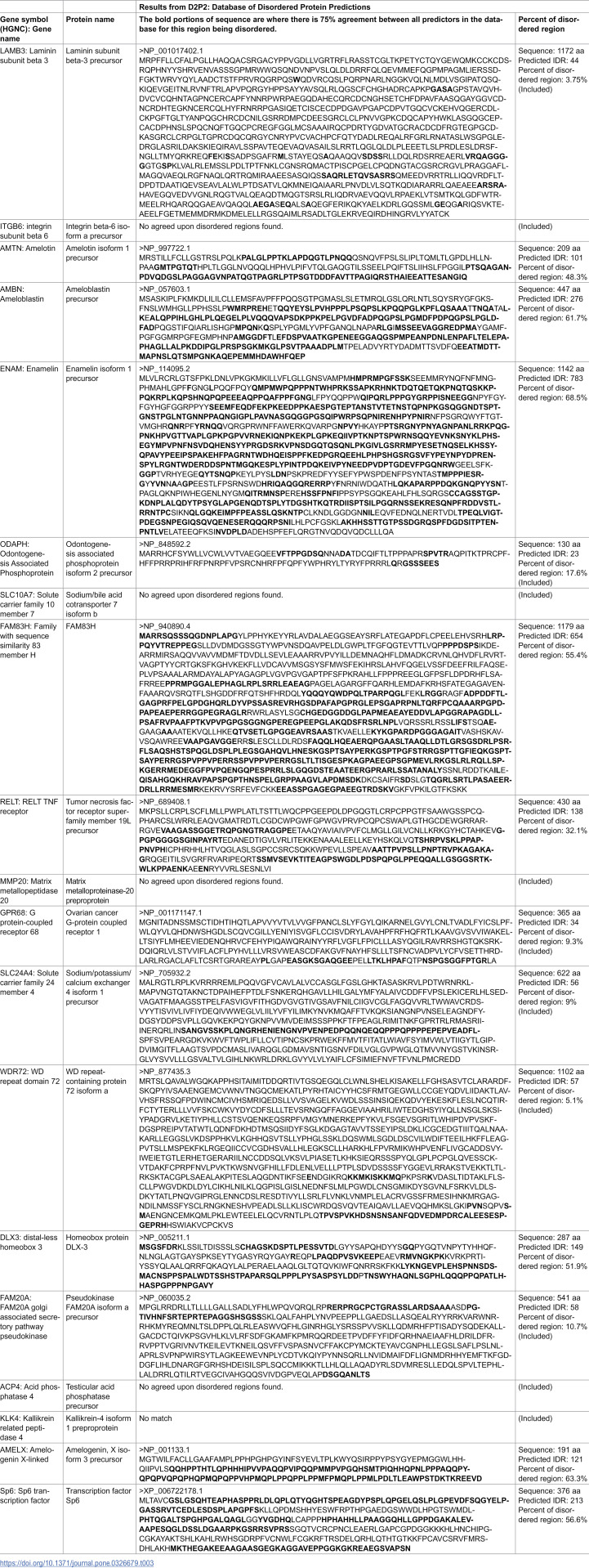 Figure 5
Peer Reviews
No public reviews on file for this paper yet. If you reviewed it on a platform where reviews are public (OpenReview, ICLR, NeurIPS, ICML), you can paste yours below so the community can read it here.
Videos
No videos yet. Explain this paper in a talk, walkthrough, or lecture? Add one.
Taxonomy
TopicsBone and Dental Protein Studies · dental development and anomalies · Glycosylation and Glycoproteins Research