Characterizing the content and quality of internet resources on exercise training in Ehlers-Danlos Syndromes and generalized hypermobility spectrum disorder
Jillian Dhawan, Sahar Sohrabipour, Ali Salman Al-Timimi, Brenawen Elangeswaran, Omer Choudhary, Noor Al Kaabi, Megha Ibrahim Masthan, Daniel Santa Mina, Laura McGillis, Wing Ting Truong, Encarna Camacho Perez, Jane Schubart, Mark Lavallee, Timothy Sheehan, Neyha Cherin

TL;DR
This study evaluates the quality and content of online exercise resources for people with Ehlers-Danlos Syndromes and hypermobility disorders, finding moderate quality and suggesting improvements for clarity and practical guidance.
Contribution
The study is the first to systematically assess the quality and readability of online exercise resources for EDS/G-HSD.
Findings
Most websites provided general safety recommendations and multiple training modalities.
Quality scores were moderate-to-good, but readability and actionability could be improved.
Strong correlations were found between content scores and quality assessment tools.
Abstract
Individuals with Ehlers-Danlos Syndromes (EDS) and Generalized Hypermobility Spectrum Disorder (G-HSD) experience musculoskeletal joint instability, cardiopulmonary manifestations, and functional limitations with online exercise resources commonly utilized. This study characterizes and assesses the content, quality, and readability of websites addressing exercise training for individuals with EDS/G-HSD. The first 350 English websites were Googled using search terms “Ehlers-Danlos Syndrome and exercise” and “Ehlers-Danlos Syndrome and physical activity,” targeting educational/instructional sites on exercise training for adults with EDS/G-HSD. Content was assessed using scientific consensus criteria, quality using Modified DISCERN, Global Quality Scale (GQS), and the Patient Education Materials Assessment Tool (PEMAT), and readability using Flesch-Kincaid Grade Level (FKGL) and…
Genes, proteins, chemicals, diseases, species, mutations and cell lines named across the full text — each resolved to its canonical identifier and authoritative record.
Click any figure to enlarge with its caption.
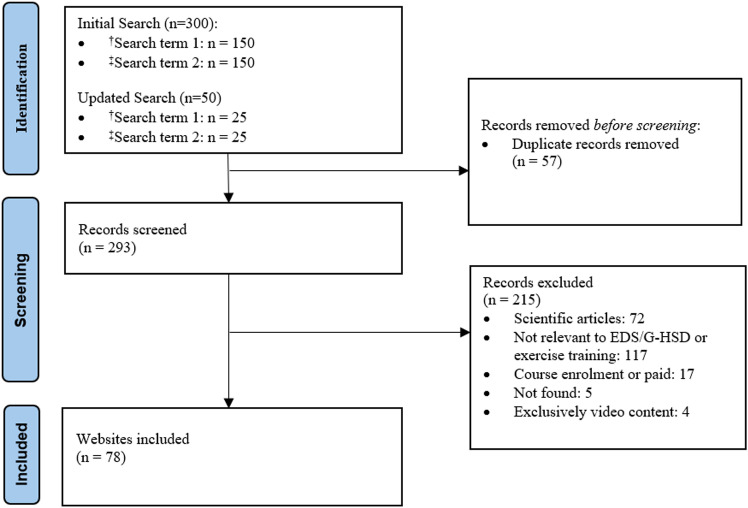 Figure 1
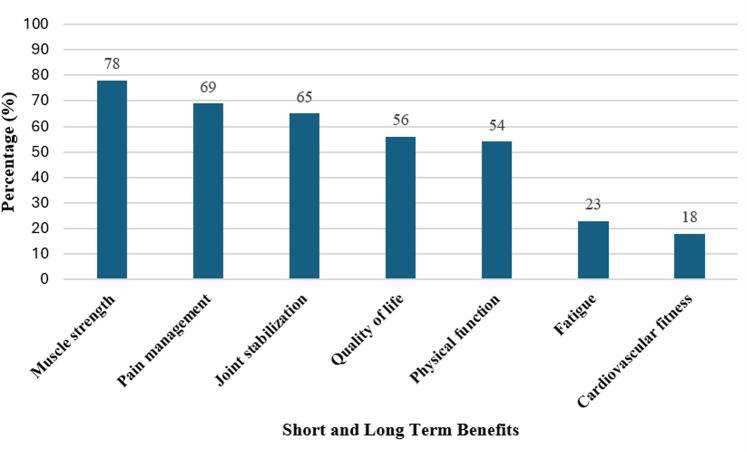 Figure 2
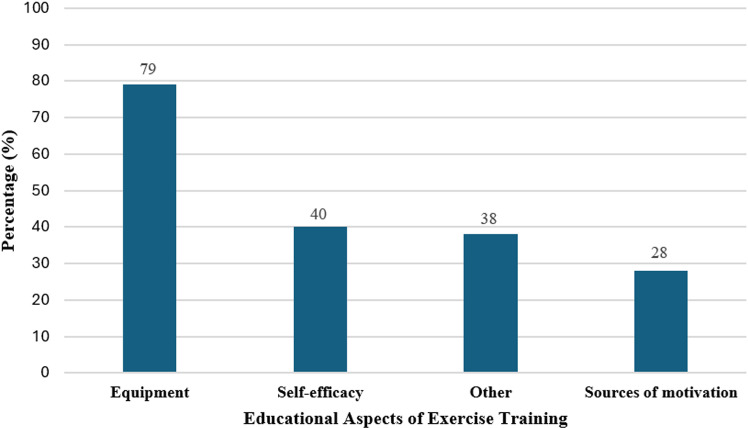 Figure 3
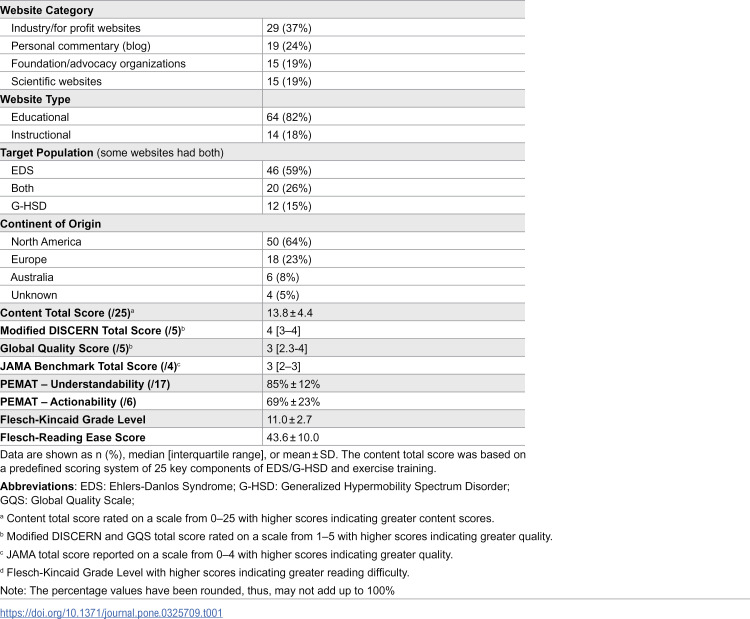 Figure 4
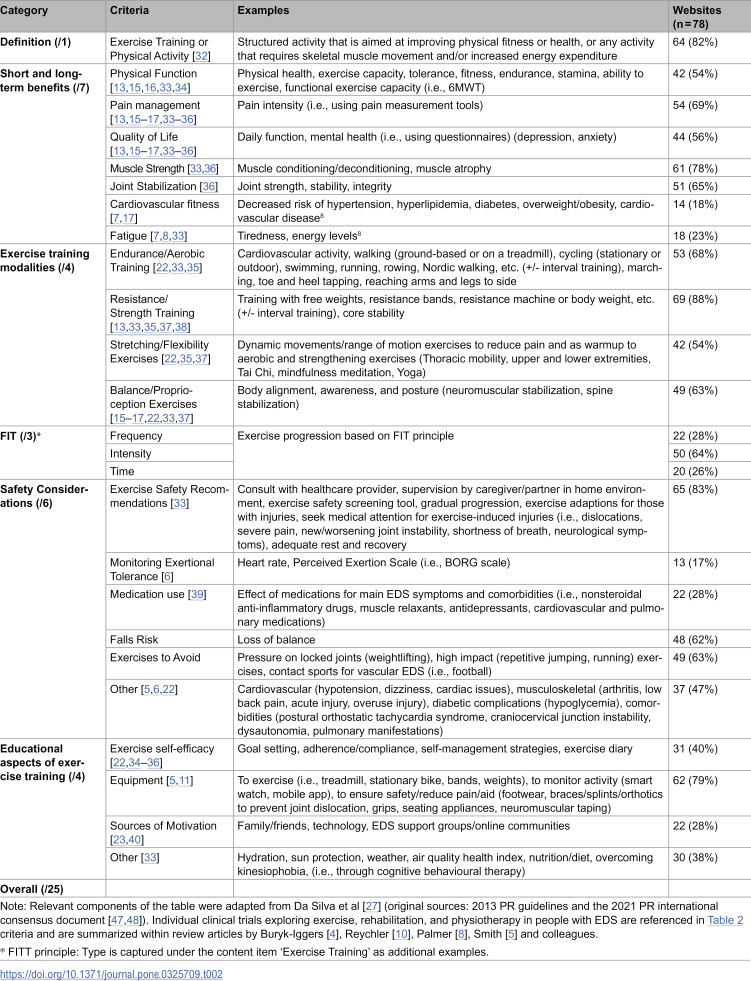 Figure 5
Peer Reviews
No public reviews on file for this paper yet. If you reviewed it on a platform where reviews are public (OpenReview, ICLR, NeurIPS, ICML), you can paste yours below so the community can read it here.
Videos
No videos yet. Explain this paper in a talk, walkthrough, or lecture? Add one.
Taxonomy
TopicsInterpreting and Communication in Healthcare · Health Literacy and Information Accessibility · Text Readability and Simplification