Validation of the Kidsights Measurement Tool: A parent-reported instrument to track children’s development at the population level
Marcus R. Waldman, Katelyn Hepworth, Jolene Johnson, Kelsey M. Tourek, Kelly J. Jones, Yaritza Estrada Garcia, Laura M. Fritz, Abbey Siebler, Abbie Raikes

TL;DR
The Kidsights Measurement Tool (KMT) is validated as a reliable parent-reported instrument for tracking early childhood development disparities in the U.S.
Contribution
The KMT is the first validated population-level tool for children birth to five years in the U.S., enabling large-scale tracking of developmental disparities.
Findings
The KMT detects disparities in child development linked to parent education, mental health, and child race/ethnicity.
The KMT correlates strongly with gold-standard developmental assessment tools like the Bayley Scale and Woodcock-Johnson.
The KMT shows strong reliability and no measurement noninvariance across groups.
Abstract
Disparities in child development between groups of children arise early and reflect social inequities in early environments, geography, and other factors. To track and address these disparities, valid and reliable tools are needed that can be implemented at-scale and across populations. However, no population-level measures of child development appropriate for children from birth to age five years have been developed and validated in the United States to date. The Kidsights Measurement Tool (KMT) is a parent-report, population-level tool for children birth to age five years intended to track group-level differences in the developmental status across normative aspects of children’s motor, cognitive, language, and social/emotional development. This study reports on validation of KMT as a feasible tool that can be implemented in large-scale surveys to track disparities in early childhood…
Genes, proteins, chemicals, diseases, species, mutations and cell lines named across the full text — each resolved to its canonical identifier and authoritative record.
Click any figure to enlarge with its caption.
 Figure 1
 Figure 2
 Figure 3
 Figure 4
 Figure 5
 Figure 6
 Figure 7
 Figure 8
 Figure 9
 Figure 10
 Figure 11
 Figure 12
 Figure 13
 Figure 14
 Figure 15
 Figure 16
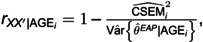 Figure 17
 Figure 18
 Figure 19
 Figure 20
 Figure 21
 Figure 22
 Figure 23
 Figure 24
 Figure 25
 Figure 26
 Figure 27
 Figure 28
 Figure 29
 Figure 30
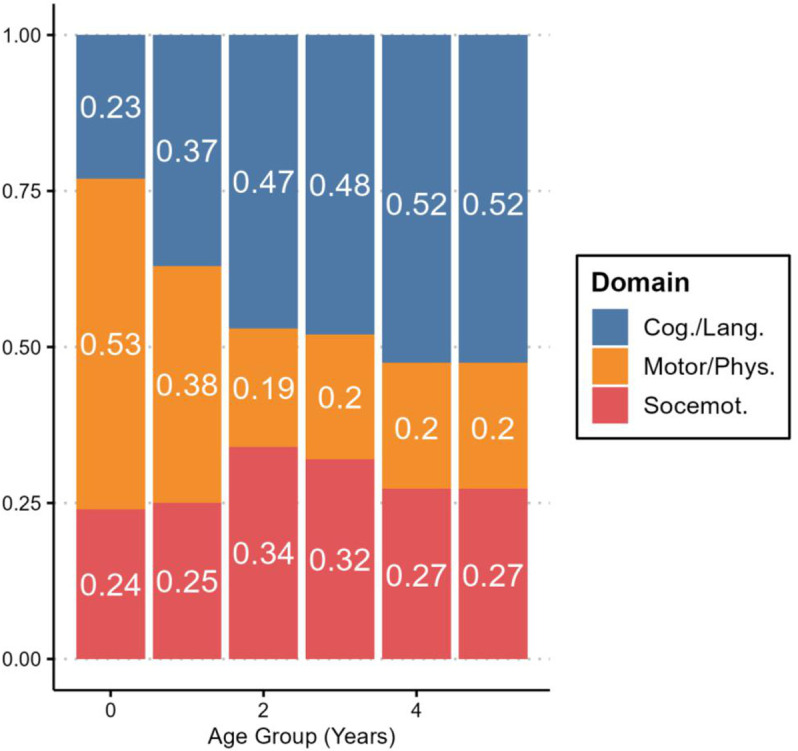 Figure 31
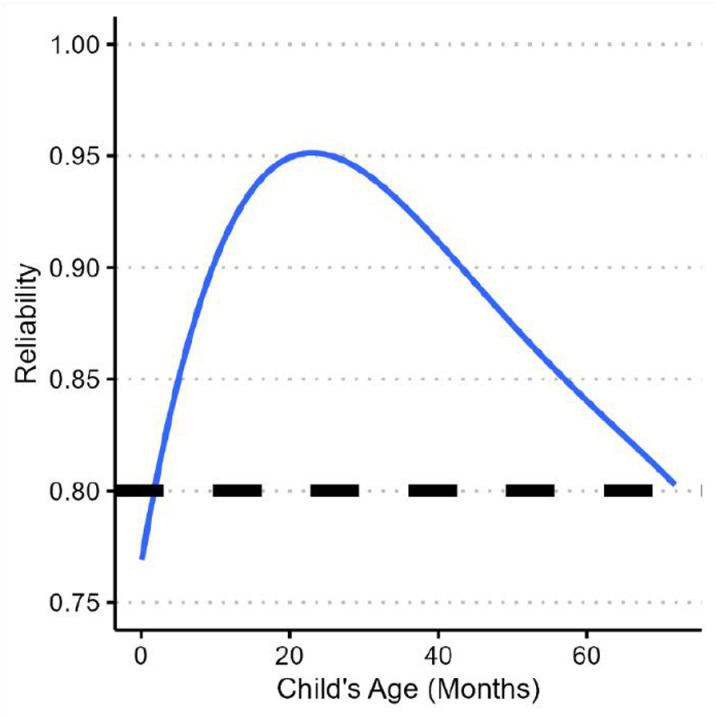 Figure 32
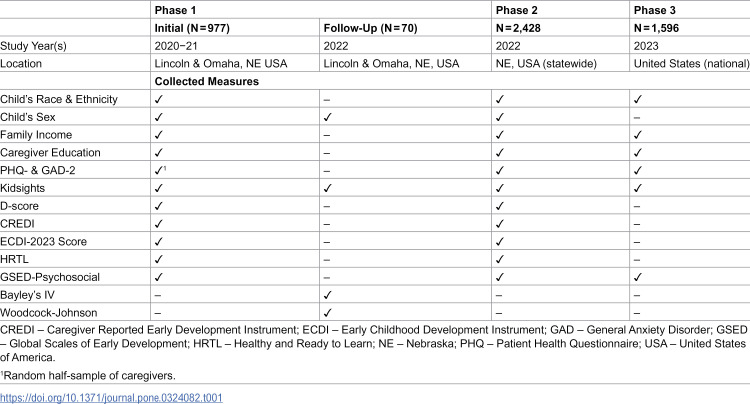 Figure 33
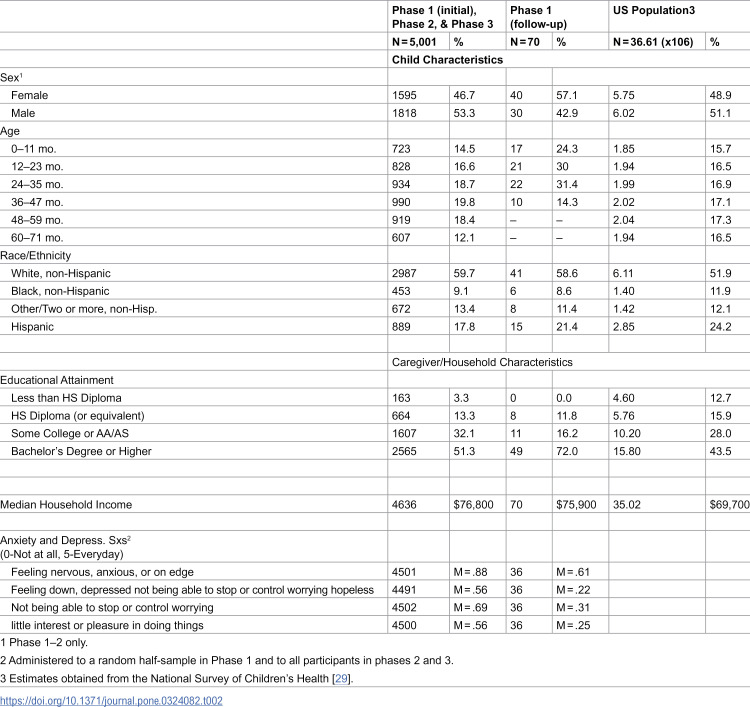 Figure 34
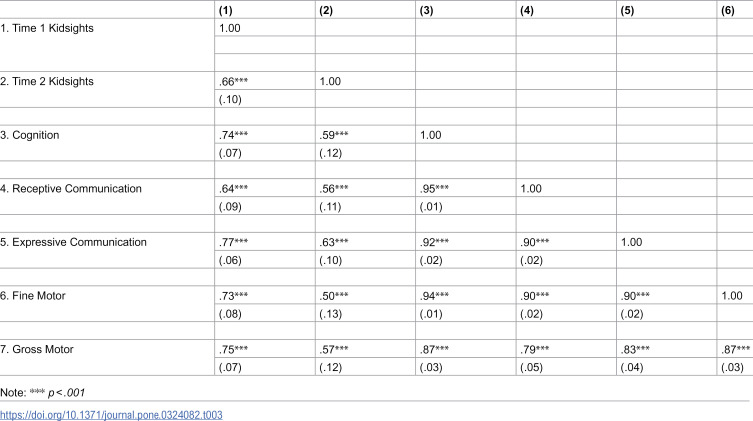 Figure 35
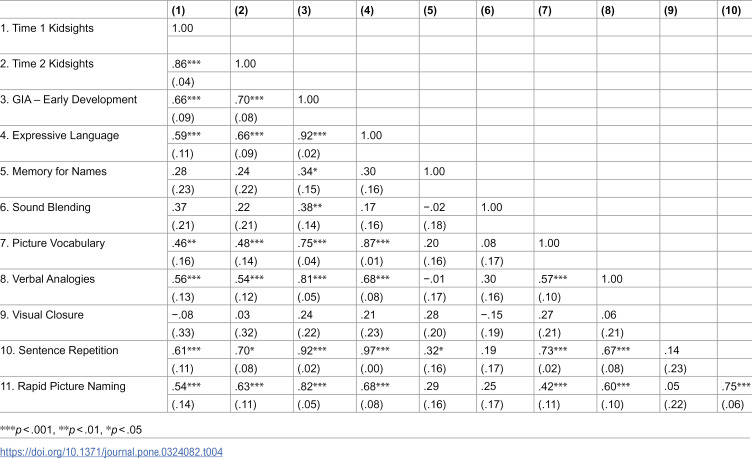 Figure 36
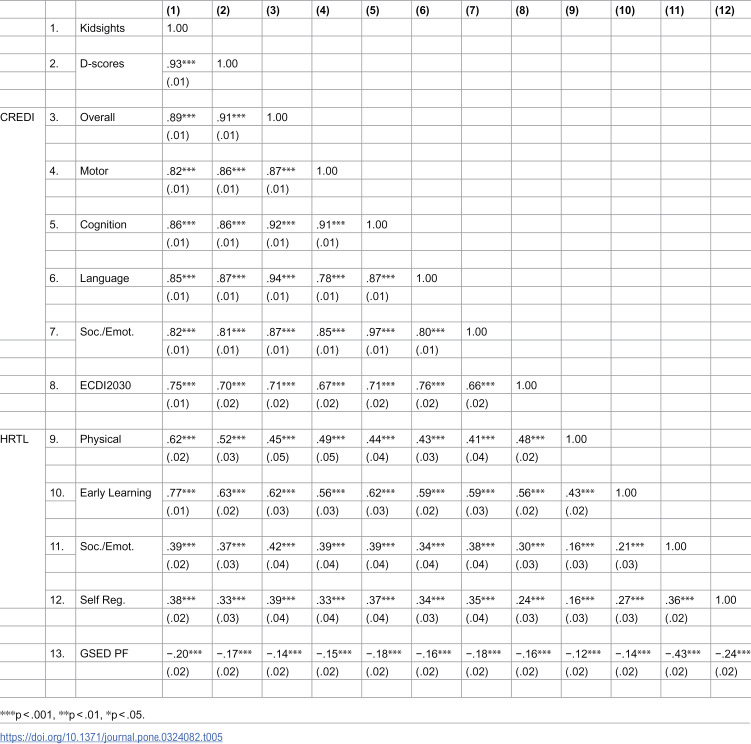 Figure 37
Peer Reviews
No public reviews on file for this paper yet. If you reviewed it on a platform where reviews are public (OpenReview, ICLR, NeurIPS, ICML), you can paste yours below so the community can read it here.
Videos
No videos yet. Explain this paper in a talk, walkthrough, or lecture? Add one.
Taxonomy
TopicsInfant Development and Preterm Care · Early Childhood Education and Development · Child and Adolescent Psychosocial and Emotional Development