Mexiletine-Induced Esophageal Ulceration: Two Case Reports and a Review of the Literature
Matteo Ghisa, Ilenia Barbuscio, Erica Bonazzi, Matteo Fassan, Brigida Barberio, Marco Senzolo, Edoardo V. Savarino

TL;DR
This paper reports two cases of esophageal ulceration caused by mexiletine and highlights the importance of early diagnosis to prevent serious complications.
Contribution
The novelty lies in documenting rare cases of mexiletine-induced esophageal ulceration and emphasizing their clinical significance.
Findings
Mexiletine can cause esophageal ulceration, a rare but serious side effect.
Two patients developed esophageal injury after taking mexiletine, highlighting the need for prompt diagnosis.
Proper administration and awareness of risk factors can prevent complications like bleeding or perforation.
Abstract
Background and Clinical Significance: Mexiletine is a class 1B antiarrhythmic drug commonly prescribed for ventricular arrhythmias and neuropathic pain. It works as a blocker of the sodium channel that modulates cardiac conduction and reduces aberrant nerve signaling. While it is generally well tolerated, gastrointestinal side effects, such as nausea, vomiting, and abdominal pain, are relatively common. Esophagitis and esophageal ulcerations have been described as rare side effects; however, they are poorly documented in the literature. Esophageal ulceration induced by oral medications, termed pill esophagitis, occurs due to prolonged contact between the medication and the esophageal mucosa. Factors contributing to this phenomenon include improper administration, such as swallowing without sufficient water, taking medication before lying down, or inherent irritant properties of the drug…
Genes, proteins, chemicals, diseases, species, mutations and cell lines named across the full text — each resolved to its canonical identifier and authoritative record.
Click any figure to enlarge with its caption.
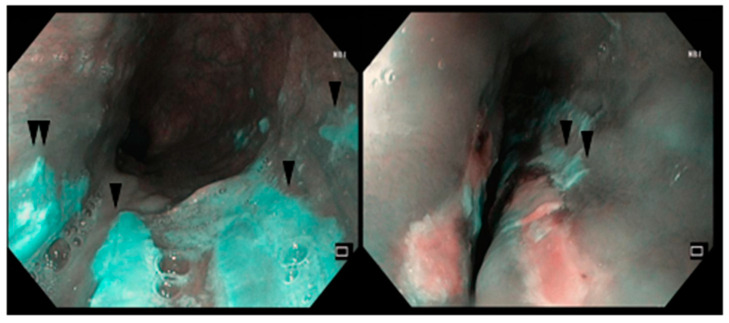 Figure 1
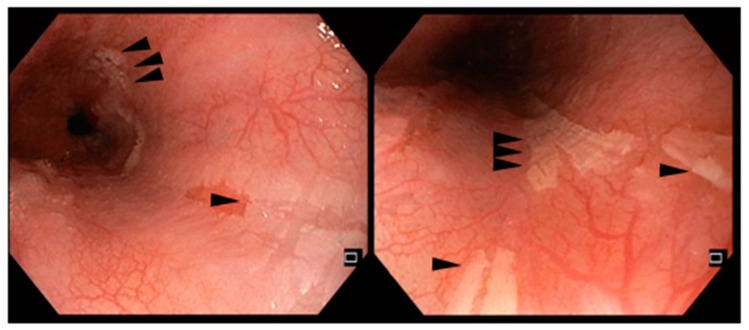 Figure 2
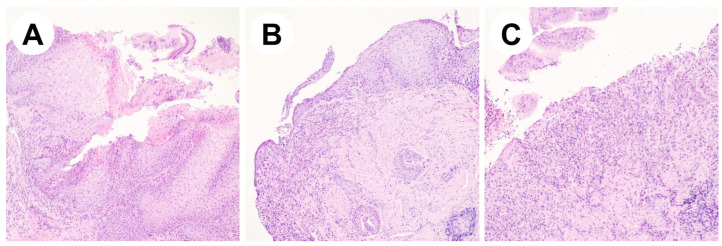 Figure 3
Peer Reviews
No public reviews on file for this paper yet. If you reviewed it on a platform where reviews are public (OpenReview, ICLR, NeurIPS, ICML), you can paste yours below so the community can read it here.
Videos
No videos yet. Explain this paper in a talk, walkthrough, or lecture? Add one.
Taxonomy
TopicsPotassium and Related Disorders · Gastroesophageal reflux and treatments · Pathogenesis and Treatment of Hiccups