Clinical Features and PTCH1 Expression in Gorlin–Goltz Syndrome: A Case Report
Gabriela González-López, Samuel Mendoza-Álvarez, Claudia Patricia Mejia-Velazquez, Carla Monserrat Ramírez-Martínez, Alejandro Alonso-Moctezuma, Luis Fernando Jacinto-Alemán

TL;DR
This case report describes a 48-year-old woman diagnosed with Gorlin–Goltz Syndrome based on clinical features and reduced PTCH1 gene expression.
Contribution
The study confirms the utility of Kimonis' criteria and reports reduced PTCH1 expression in a GGS case.
Findings
The patient met Kimonis' criteria for GGS with multiple keratocysts and calcification of the falx cerebri.
RT-PCR showed decreased PTCH1 gene expression in the patient.
Conservative therapy led to satisfactory outcomes over 18 months of follow-up.
Abstract
Background and Clinical Significance: Basal cell nevoid carcinoma syndrome, or Gorlin–Goltz Syndrome (GGS), is a genetic disease caused by germline mutations in genes involved in the Sonic HedgeHog (SHH) signaling pathway, mainly in the PTCH1 gene. PTCH1 is a receptor for SHH, and the activation of SHH signaling exerts a direct effect on the proliferation and maintenance of stem cells; alteration of its signaling could promote a favorable microenvironment for the maintenance of tumor viability. The main clinical manifestations of patients with GGS include multiple basal cell carcinomas, odontogenic keratocysts, calcification of the falx cerebri, palmoplantar fossae, hypertelorism, prognathism, fused or bifid ribs, and macrocephaly, which occur at different stages of life. Case Presentation: Here, the case of a 48-year-old woman is described, for whom a clinical and histopathological…
Genes, proteins, chemicals, diseases, species, mutations and cell lines named across the full text — each resolved to its canonical identifier and authoritative record.
Click any figure to enlarge with its caption.
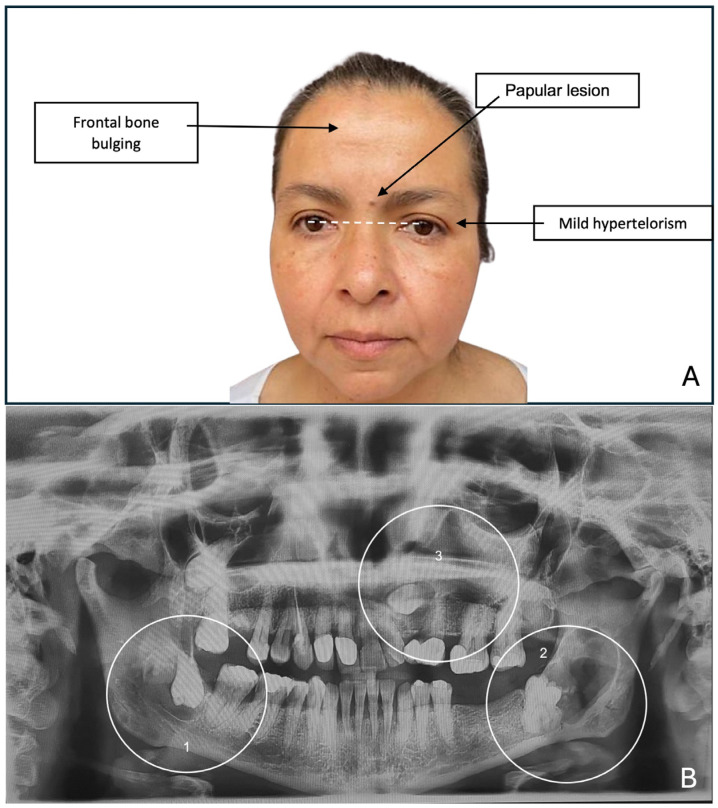 Figure 1
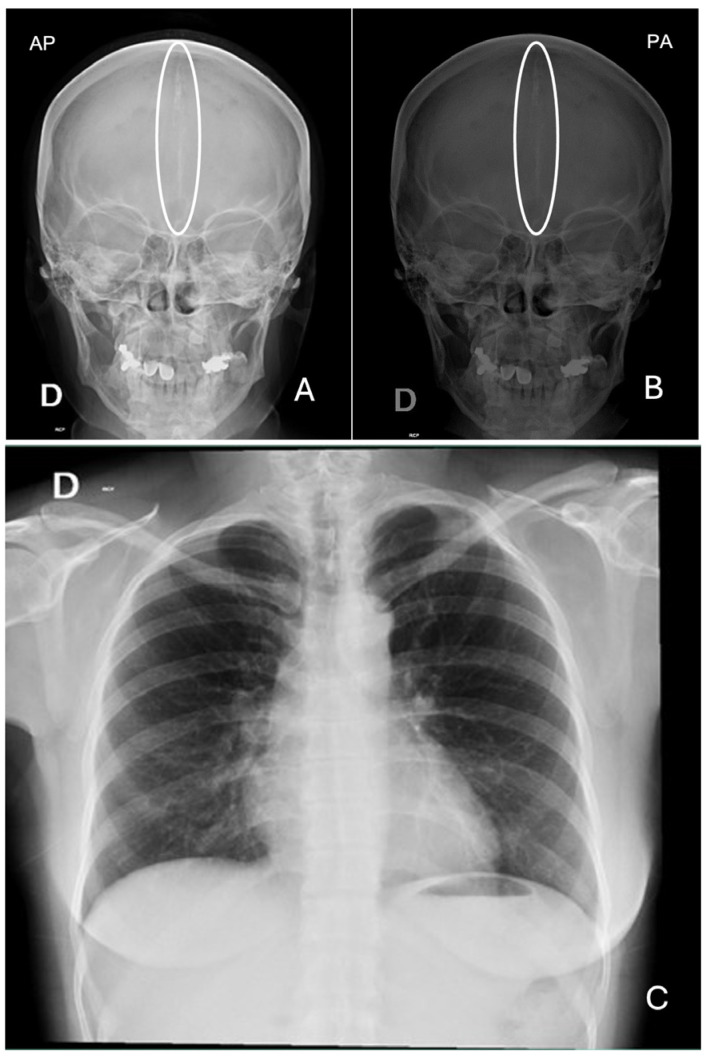 Figure 2
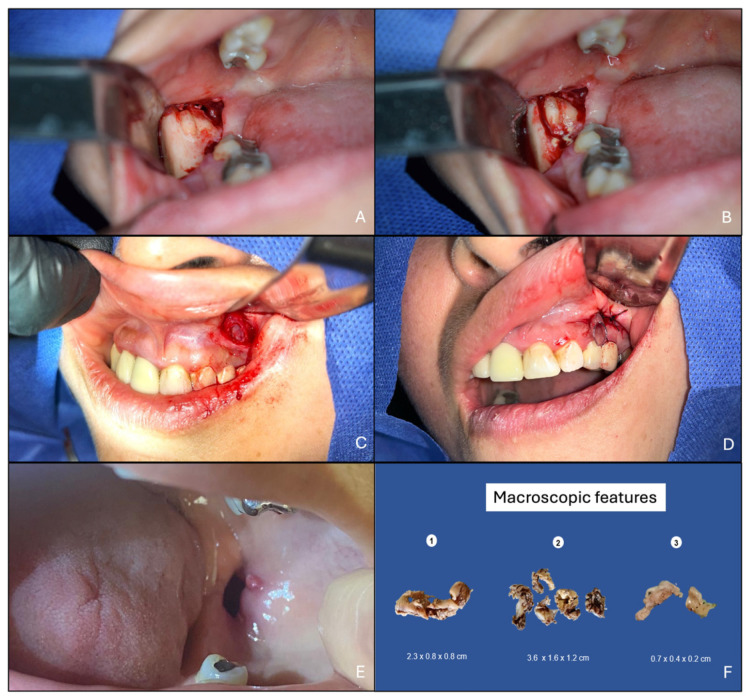 Figure 3
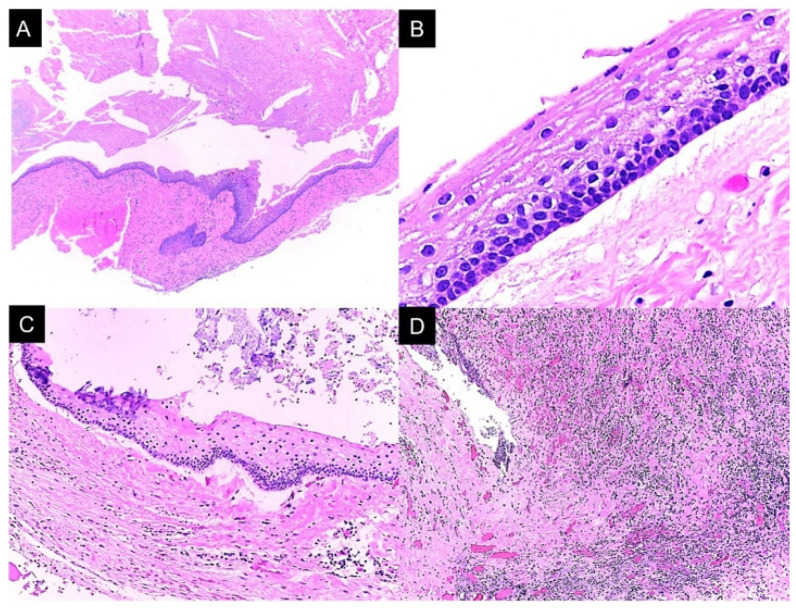 Figure 4
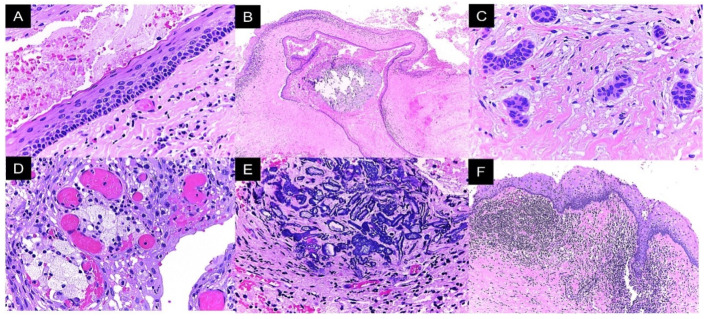 Figure 5
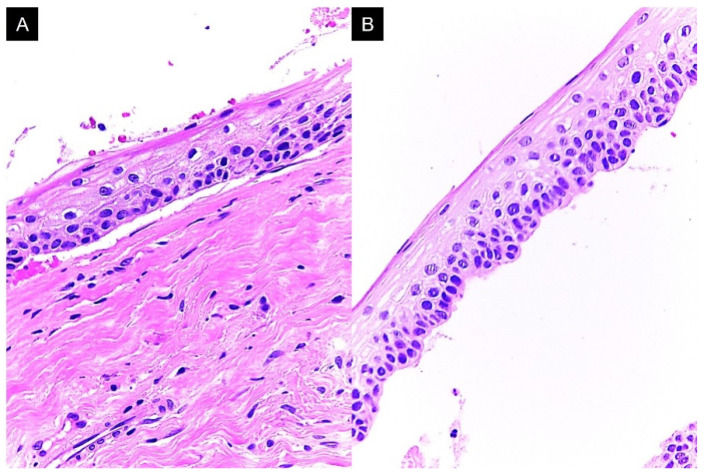 Figure 6
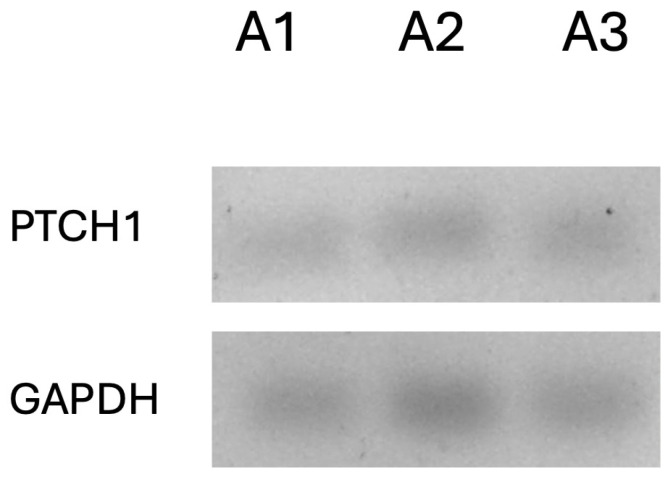 Figure 7
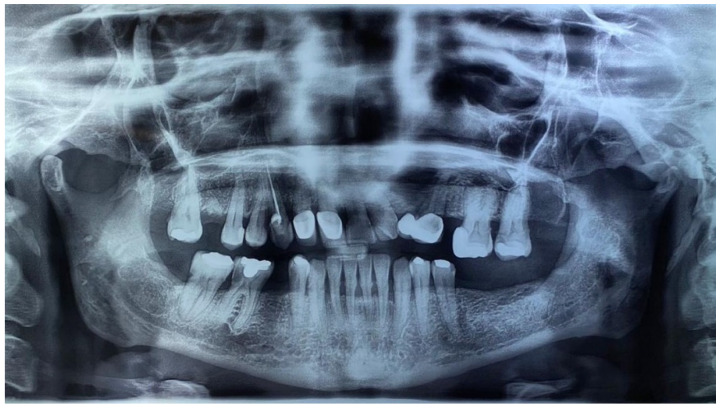 Figure 8
Peer Reviews
No public reviews on file for this paper yet. If you reviewed it on a platform where reviews are public (OpenReview, ICLR, NeurIPS, ICML), you can paste yours below so the community can read it here.
Videos
No videos yet. Explain this paper in a talk, walkthrough, or lecture? Add one.
Taxonomy
TopicsHedgehog Signaling Pathway Studies · Oral and Maxillofacial Pathology · Cancer and Skin Lesions