Two Worlds on a Stone: Arctic Desert Hypoliths and Epiliths Show Spatial Niche Differentiation
Andrew Baker, Dale Stokes, Anushree Srivastava, Shannon Rupert, Charles S. Cockell

TL;DR
This study shows that microbial and animal life in Arctic deserts form distinct communities under and on rocks due to different environmental conditions.
Contribution
The study reveals distinct microbial and eukaryotic communities in Arctic hypolithic and epilithic habitats, with tardigrades found only in the subsurface.
Findings
Hypolithic and epilithic communities are dominated by cyanobacteria but differ in microbial composition.
Tardigrade DNA was detected only in hypolithic habitats, indicating subsurface animal life.
Eukaryotic communities in both habitats are statistically similar despite distinct microbial profiles.
Abstract
In Arctic polar deserts, rocks can be extensively colonized by phototrophic hypolithic communities that exploit periglacial sorting processes to grow beneath opaque rocks. These communities are distinguished by green bands that are distinctly and abruptly separated from the black‐pigmented communities on the rock surface (epiliths). We used 16S and 18S rDNA culture‐independent methods to address the hypothesis that the two communities are different. Although both communities were dominated by cyanobacterial species (Chroococcidiopsis and Nostoc spp.), we found that the hypolithic and epilithic habitats host distinct microbial communities. We found that eukaryotic hypolithic and epilithic communities were statistically similar but that the hypolithic habitats contained tardigrade DNA, showing that the more clement subsurface habitat supports animal life in contrast to the surface of the…
Genes, proteins, chemicals, diseases, species, mutations and cell lines named across the full text — each resolved to its canonical identifier and authoritative record.
Click any figure to enlarge with its caption.
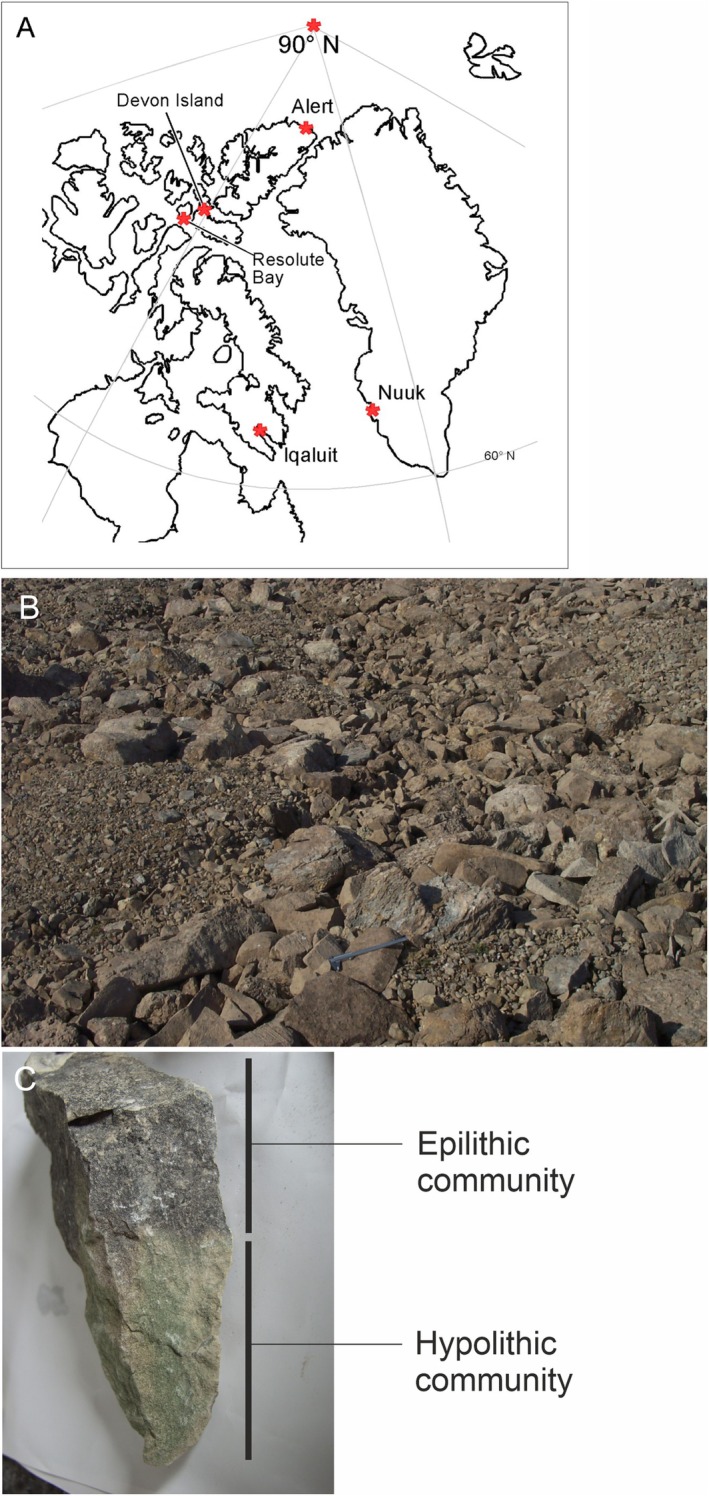 Figure 1
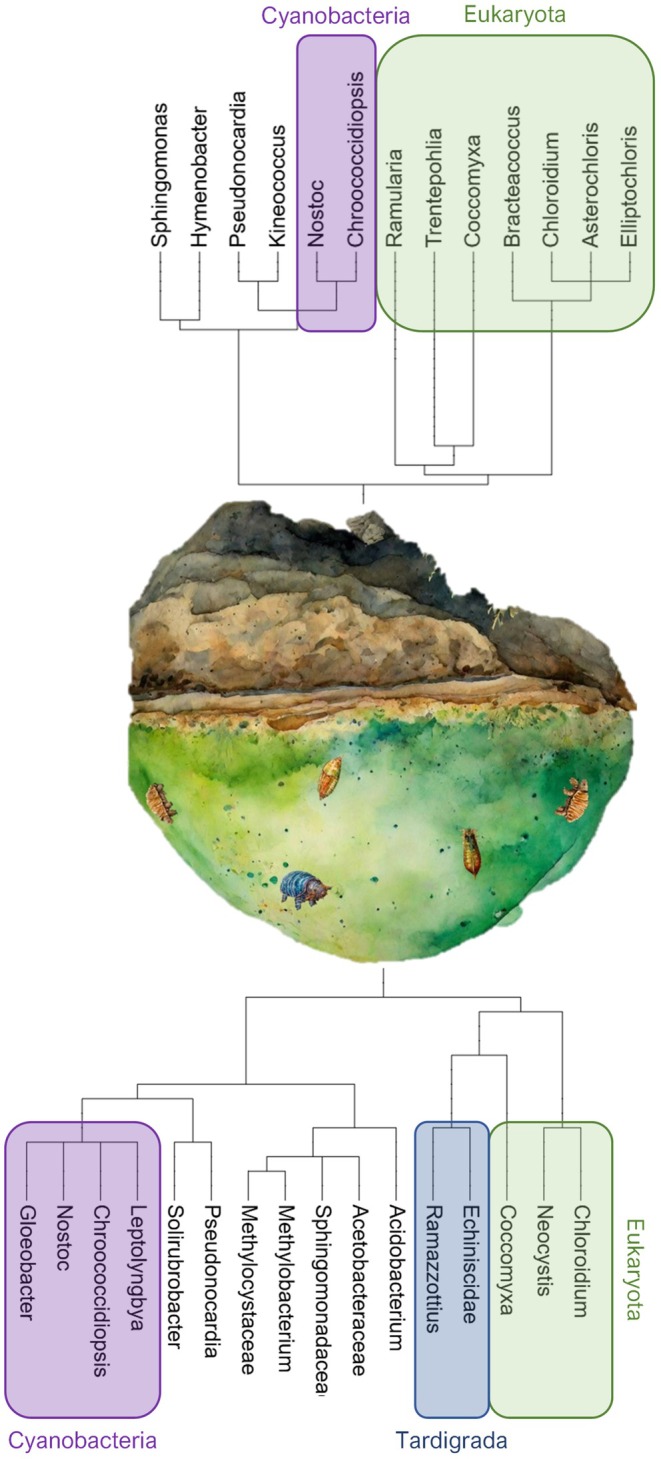 Figure 2
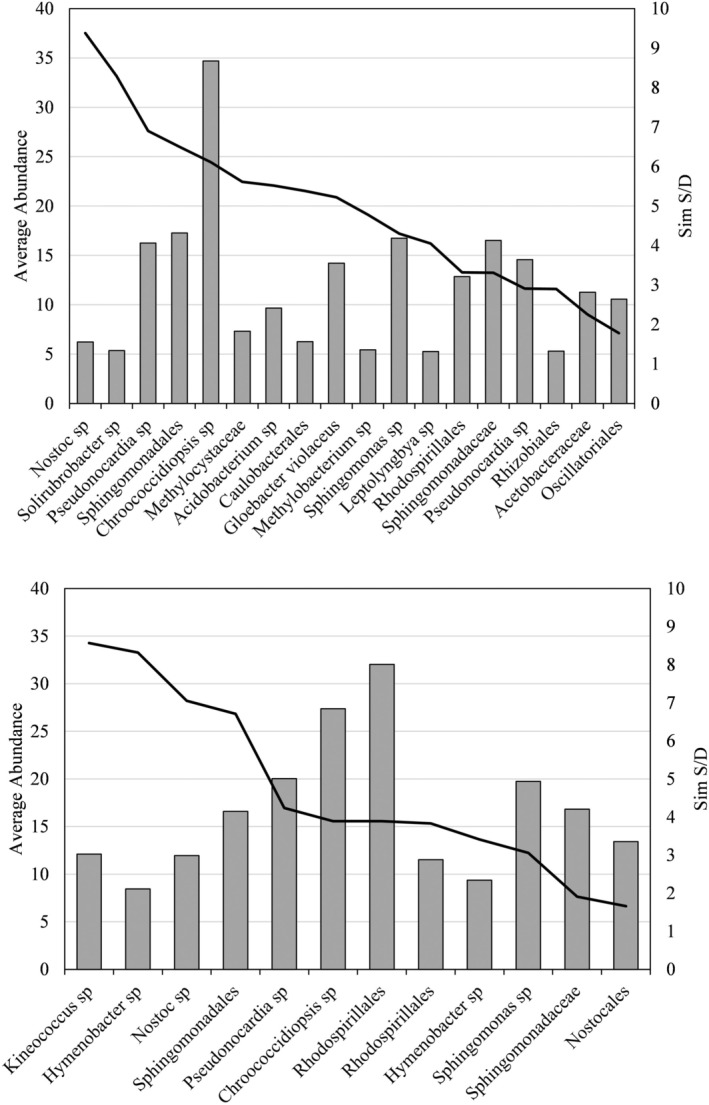 Figure 3
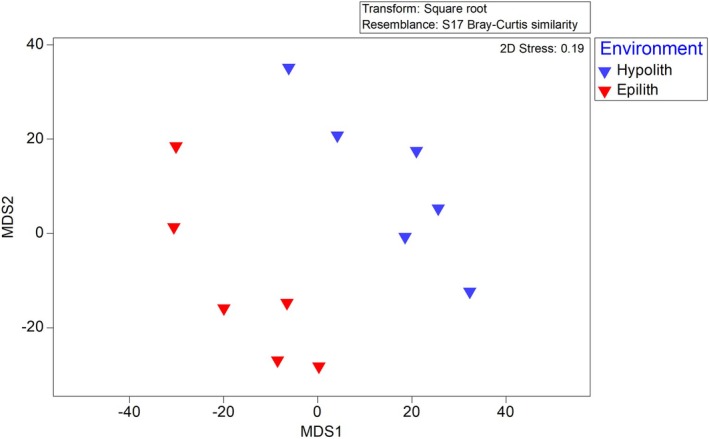 Figure 4
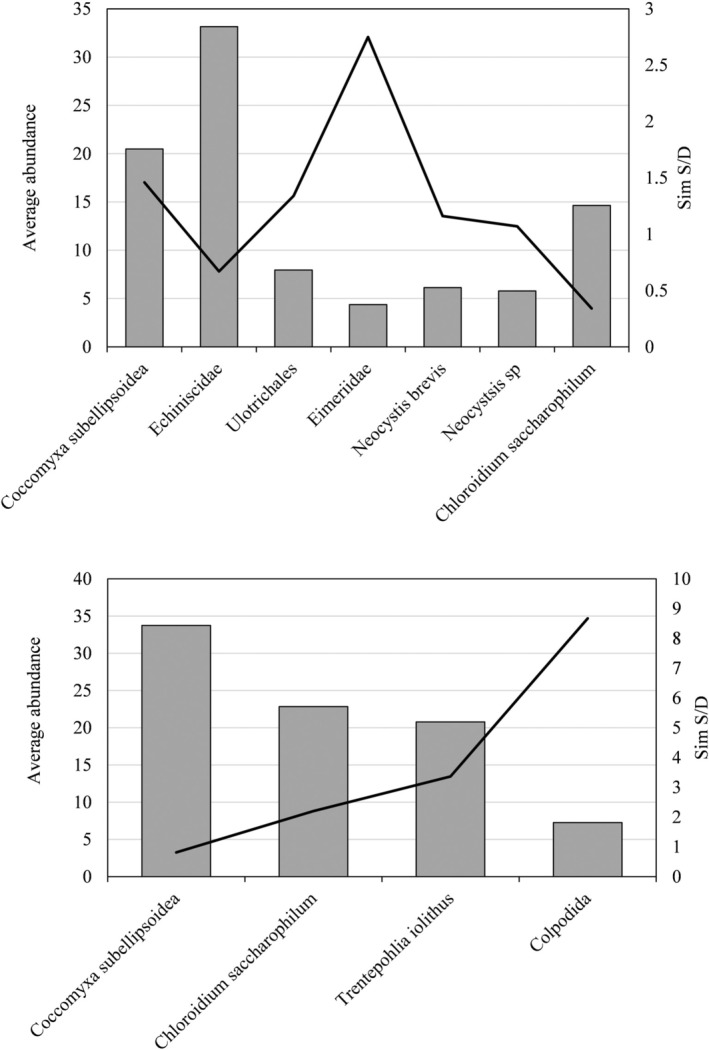 Figure 5
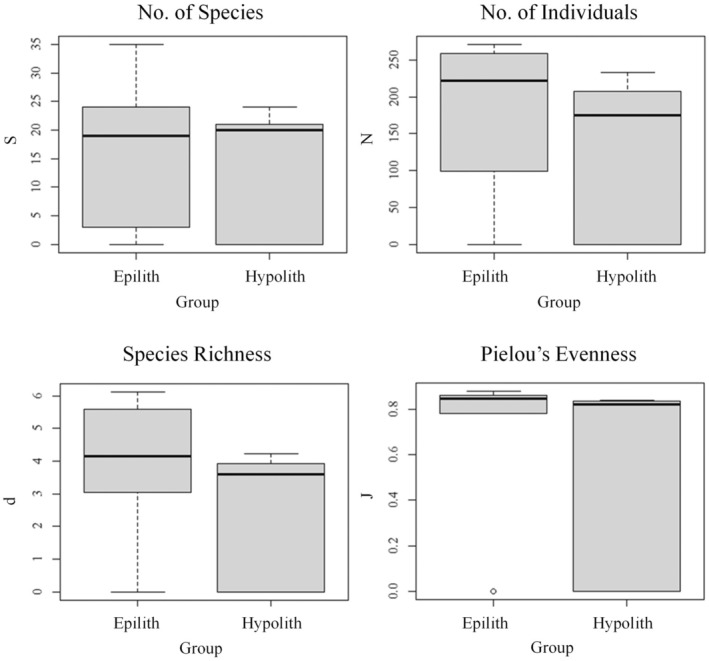 Figure 6
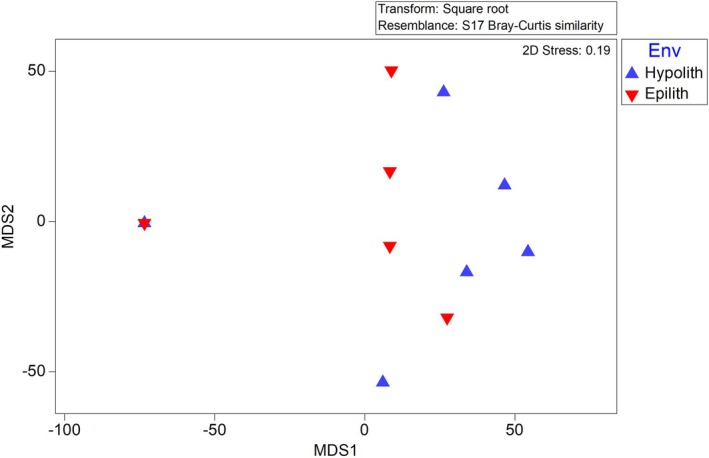 Figure 7
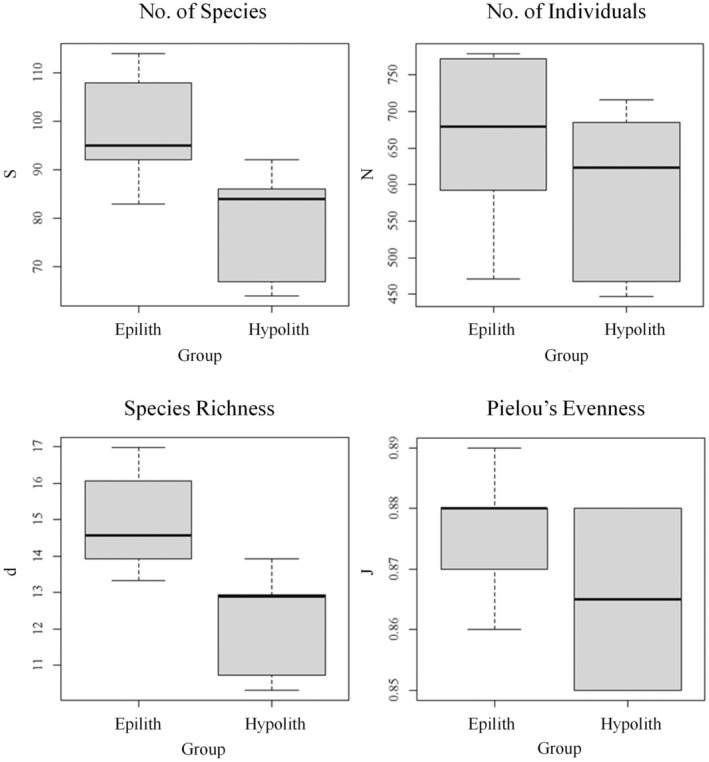 Figure 8
Peer Reviews
No public reviews on file for this paper yet. If you reviewed it on a platform where reviews are public (OpenReview, ICLR, NeurIPS, ICML), you can paste yours below so the community can read it here.
Videos
No videos yet. Explain this paper in a talk, walkthrough, or lecture? Add one.
Taxonomy
TopicsPolar Research and Ecology · Microbial Community Ecology and Physiology · Protist diversity and phylogeny