Targeted memory reactivation during REM sleep may selectively enhance the late positive potential amplitude in previously encountered negative images: preliminary findings
Kazuki Sato, Satomi Okabe, Yoko Suzuki, Takashi Abe

TL;DR
This study suggests that reactivating memories during REM sleep with odors may enhance brain responses to previously seen negative images.
Contribution
It is the first to show that TMR during REM sleep may selectively enhance LPP amplitude for negative images.
Findings
TMR increased LPP amplitude for negative old images between 500 and 800 ms after image onset.
No changes in LPP were observed for negative new images or neutral/positive images.
TMR did not affect memory performance, arousal, or emotional valence after viewing images.
Abstract
The function of rapid eye movement (REM) sleep in consolidating emotional memories and reducing emotional charge has been studied, but evidence remains conflicting. Our study employed the targeted memory reactivation (TMR) technique, which posits that specific sleep memories can be reactivated through sensory stimuli during sleep. Additionally, the late positive potential (LPP), a component of event-related brain potentials, was measured while participants (N = 16, 22.5 ± 1.2 years) viewed negative, neutral, or positive images (old images) paired with an odor stimulus. During subsequent REM sleep, the same odor was presented in the TMR condition, while an odorless stimulus was presented in the control condition. Upon awakening, participants performed the same task as before sleep, with new images added to test memory. The results demonstrated that TMR increased the LPP amplitude between…
Genes, proteins, chemicals, diseases, species, mutations and cell lines named across the full text — each resolved to its canonical identifier and authoritative record.
Click any figure to enlarge with its caption.
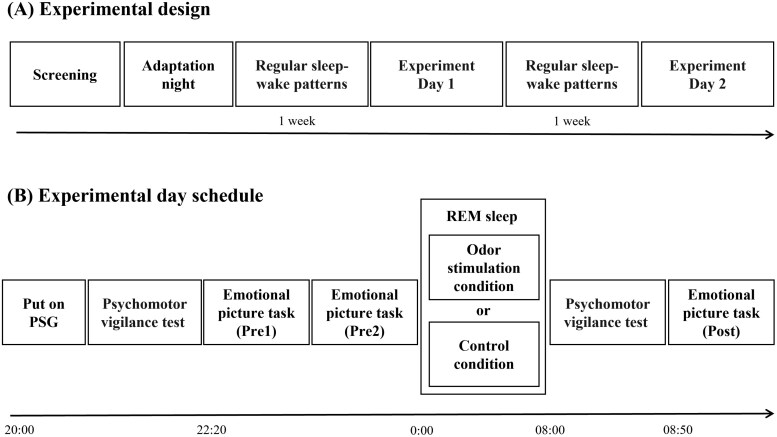 Figure 1
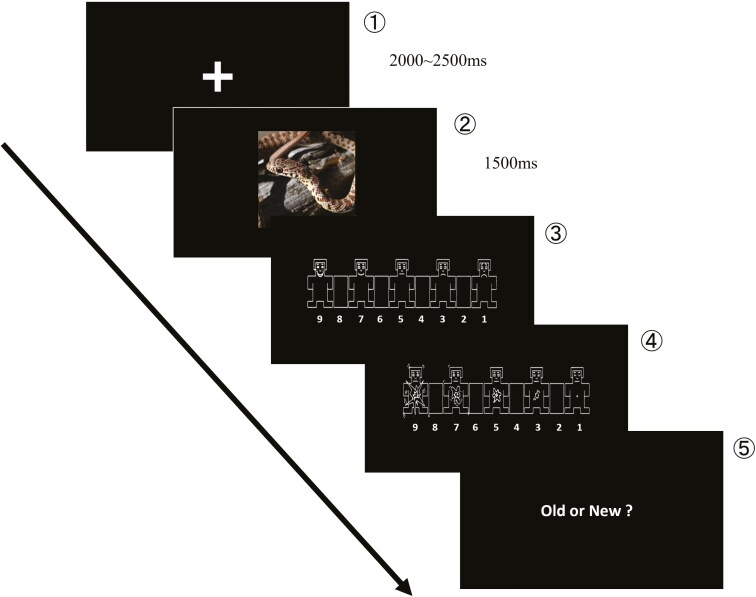 Figure 2
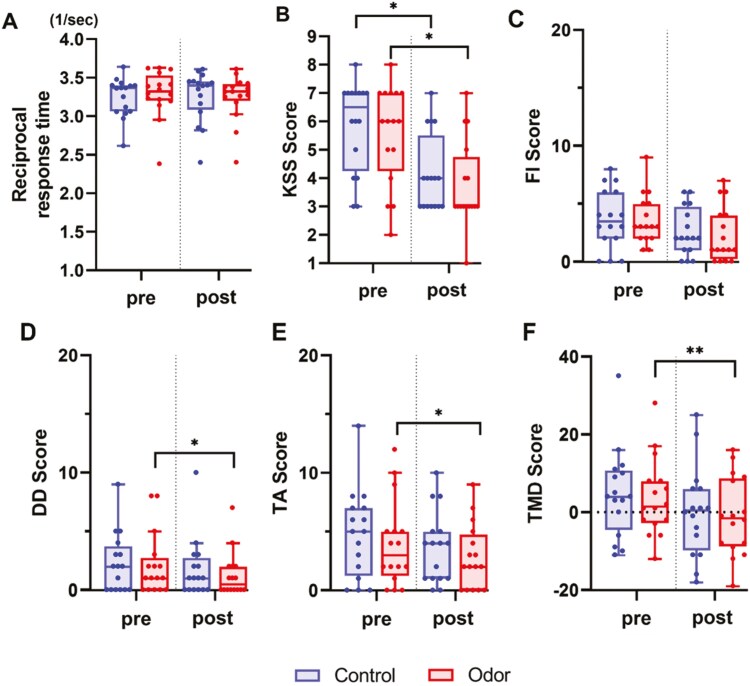 Figure 3
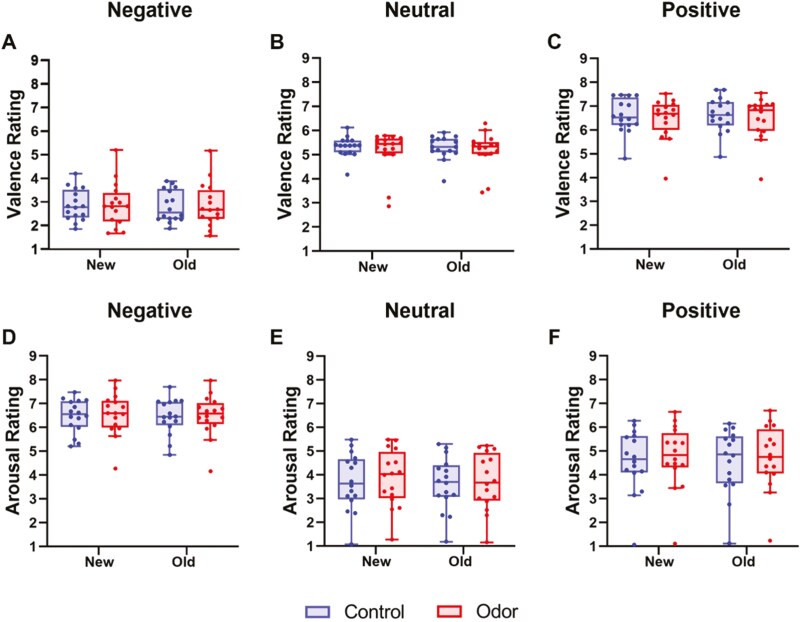 Figure 4
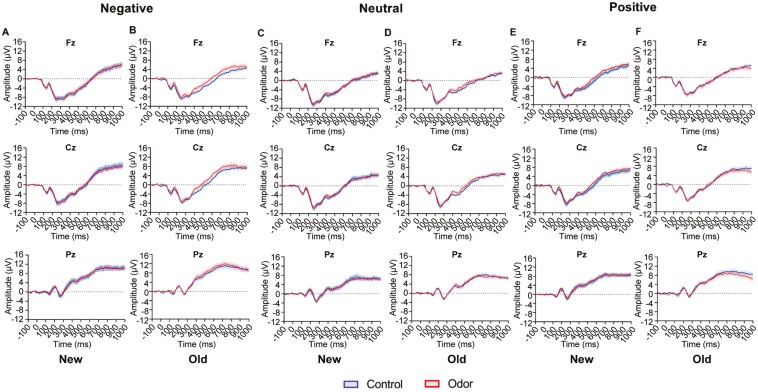 Figure 5
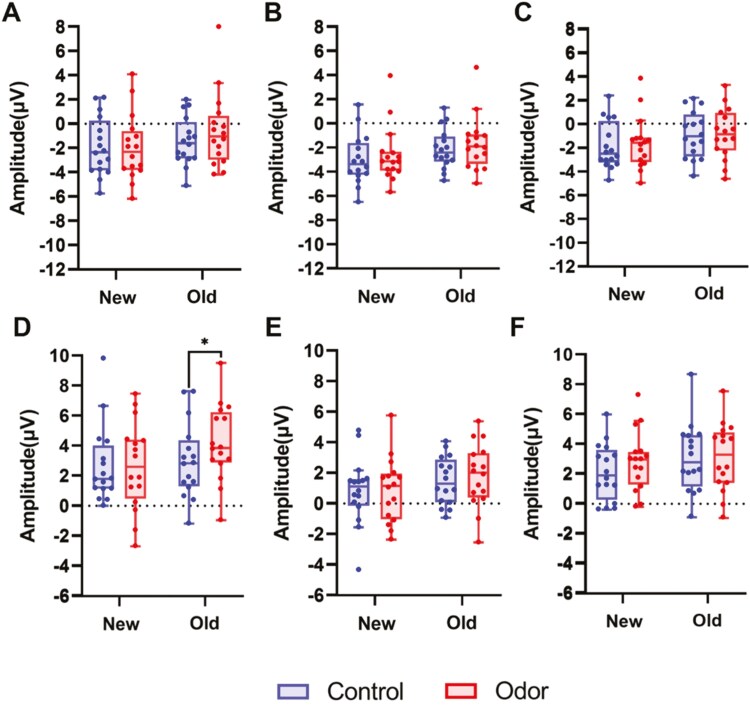 Figure 6
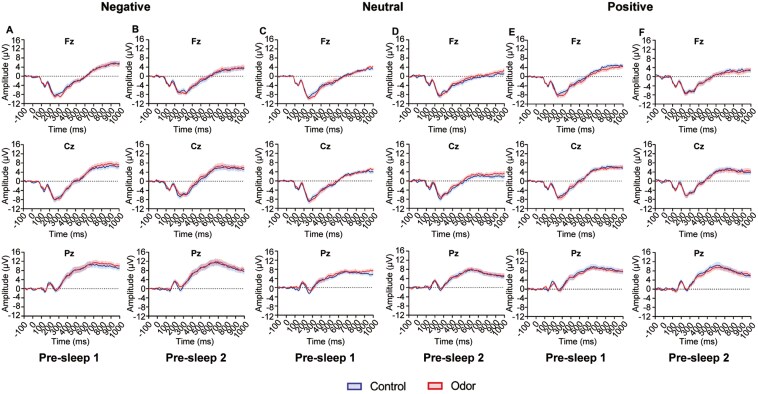 Figure 7
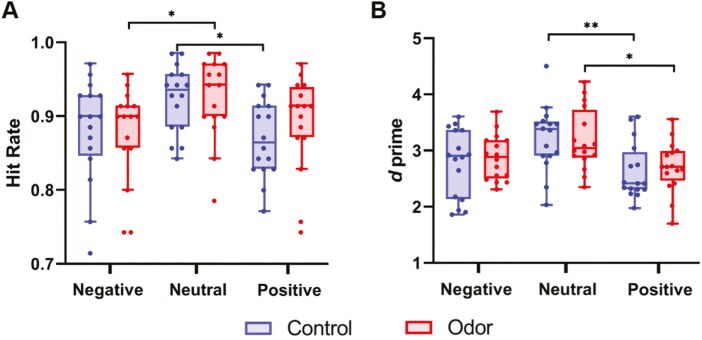 Figure 8
Peer Reviews
No public reviews on file for this paper yet. If you reviewed it on a platform where reviews are public (OpenReview, ICLR, NeurIPS, ICML), you can paste yours below so the community can read it here.
Videos
No videos yet. Explain this paper in a talk, walkthrough, or lecture? Add one.
Taxonomy
TopicsSleep and Wakefulness Research · EEG and Brain-Computer Interfaces · Neural dynamics and brain function